






A new way of thinking
Skaginn has designed and developed a new processing line for roundfish that it calls ‘Super Chilling’. The Super Chilling process causes less damage to fish than in traditional processing.
According to Skaginn, traditional processing, where fish is handled roughly by skinning machines, increases gap and structural damage to the fish and the high temperatures used during processing reduces shelf life and quality.
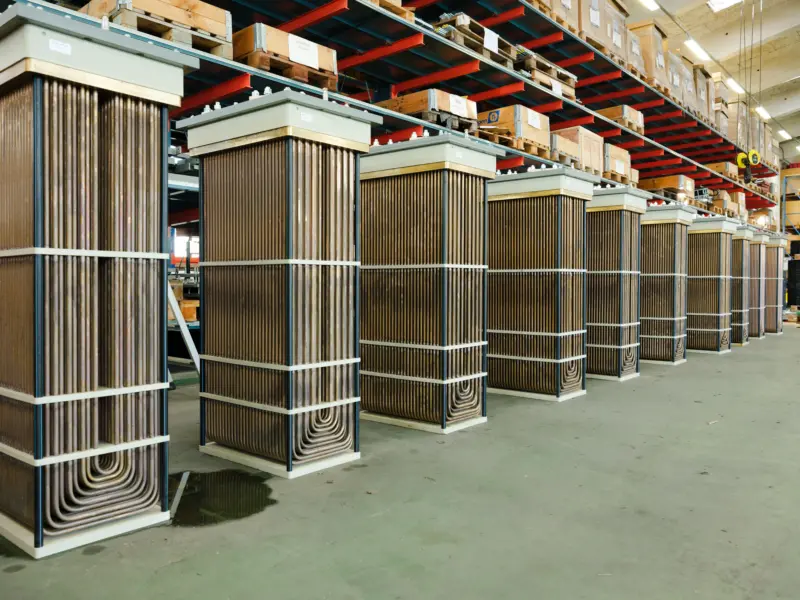
Using the Skaginn method, the fillets are pre-chilled to 0°C in an in-line fluid ice tank. The fluid ice system is able to produce fluid ice with freshwater and/or seawater. By using the in-line fluid ice tank the fillets’ blood dissolves, giving them a whiter and better look. After this the fillets are fed into a Super-Chiller which brings the fillets to a sub-zero (-1°C) ‘phase’. It is vital that the fillets stay in the ‘phase’. This eliminates drip loss and means that the fillets are stiff and ready to go through water jet cutting, which is the next stage of the processing process, or to final trimming.
Skaginn says that Super Chilling technology brings two major advantages. One is that by removing heat from the fillet and bringing it into the water-ice phase, shelf life is extended. This process of chilling is equivalent to adding 200g of ice per kilogram of finished product.
The other major thing that Super Chilling brings is the characteristics and strength of the fillets, making it possible to introduce water jet cutting to the fishing industry. Water jet cutting makes automatic trimming and pinbone removal possible.
Super Chilling processing lines are now in use at three locations: Tangi Vopnafjörður, Festi-Fiskvinnsla Hafnarfjörður and HB-Grandi Akranes, and are already giving substantially improved economic results, increased product quality and longer shelf life. This is the result of a research project run by the Icelandic Fisheries Laboratories (IFL) extending shelf life by four to seven days.
Related Articles
 PROCESSING & REFRIGERATION
 SEAFOOD
 SEAFOOD