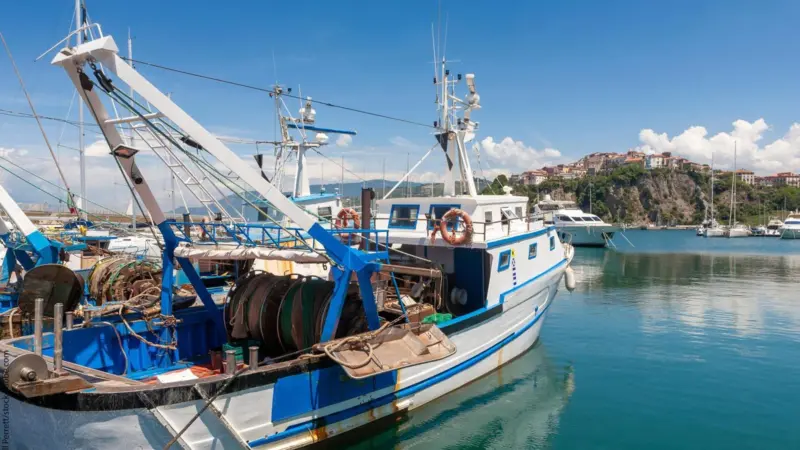



Illegal fishing crackdown
Oceana and the global mobile satellite communications are working together to tighten the net on illegal fishing.
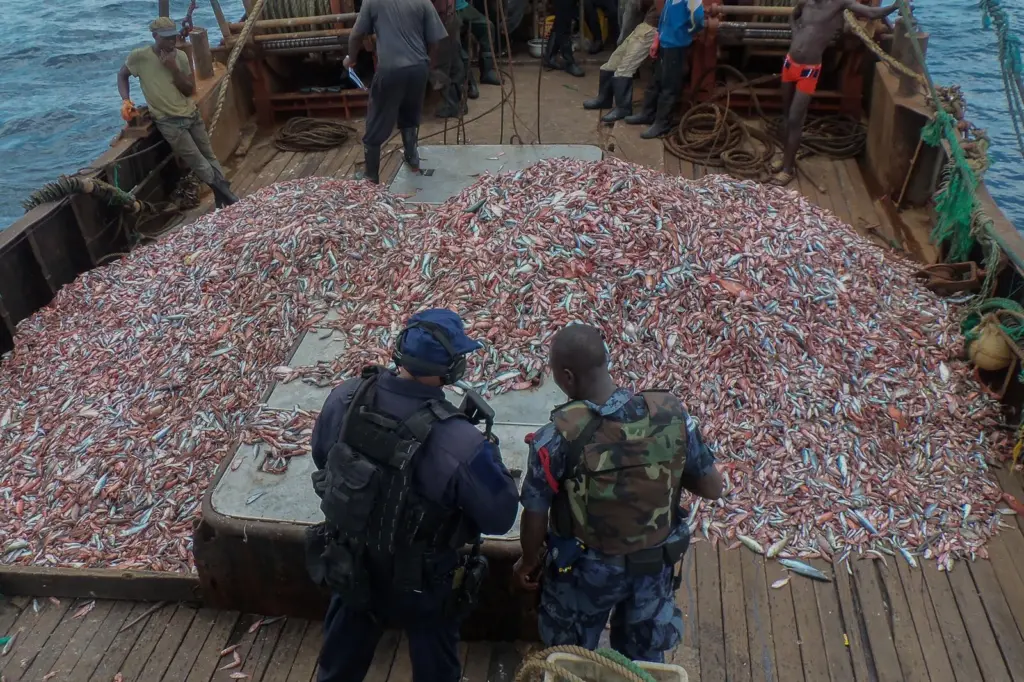
Together the two partners have flagged 13 vessels that were identified by multiple Regional Fisheries Management Organisations as having engaged in illegal fishing. Inmarsat has barred the vessels from its commercial services to ensure that such operators do not access its services.
“We welcome Inmarsat’s decision to take action to support sustainable fishing,” said Pascale Moehrle, executive director of Oceana in Europe.
”We call on all companies that provide services to the global fishing sector to follow this example and screen for illegal fishing vessels, to cut the lifelines that enable these unscrupulous operators to continue plundering the ocean.”
Crucial step
Oceana said this is a crucial step further to stopping illegal fishing because the absence of maritime mobile satellite communication services makes it more difficult for these vessels to find fish faster and increase profits.
The organisation said that by supporting initiatives to tackle illegal fishing, Inmarsat is in the vanguard of businesses that are reducing these illicit operators’ access to essential services that keep their business operations afloat.
Mr Moehrle said that national authorities also need to ensure that businesses and individuals located in their country are not providing services to illegal fishing vessels since this is prohibited in Europe and may imply a legal risk of prosecution.
Illegal fishing affects the ocean worldwide, inflicting damage to the marine environment and the local communities that depend on it, costing the global economy tens of billions of euros yearly.
It can also be associated with transnational criminal activities, from human trafficking and slavery to the transportation of drugs and arms.
Oceana is calling on all maritime industry companies conducting business with fishing vessels to adopt due diligence measures that ensure no support is provided to those who engage in illegal fishing.