






Fish versus climate crisis
Transitioning to aquatic food-based diets offers a huge opportunity for putting food systems on a low emissions pathway, non-profit research organisation Worldfish has stressed following the publication of a new Intergovernmental Panel on Climate Change (IPCC) report.
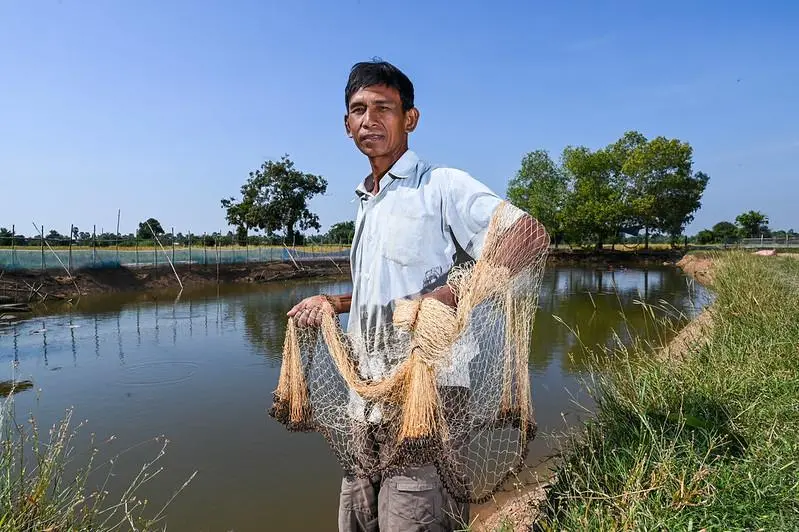
With IPCC’s study, ‘Climate Change 2022: Impacts, Adaptation and Vulnerability’ emphasising the need for taking action to secure the future of millions of people who are at the frontline of increasing climate risks, WorldFish’s explained that its own research and innovation has found that climate-resilient and sustainably managed aquatic food systems present a “unique opportunity” for the production of nutritious and diverse foods that are in turn healthy for people and planet.
WorldFish Interim Director General and CGIAR Acting Senior Director of Aquatic Food Systems, Dr Essam Yassin Mohammed, said the IPCC report is a reminder that climate change “is the problem of the day,” and not about what might happen in the future.
“It has become clear that those sections of our societies with limited or no financial and technical means to insulate themselves from the ill effects of climate change pay the highest price. Therefore, the climate crisis is a justice issue as much as it is ecological.
“I still remain hopeful that this is a battle we can win. We need to mobilise humankind’s best wit and intelligence and deploy our financial and technical resources to bend the curve and reverse the effects of climate change. However, time is not on our side. Immediate and collective action is needed if we were to stand a chance to avert the climate crisis,” Mohammed said.
An earlier IPCC report, released in August 2021, determined that climate change is widespread, rapid and intensifying, and that the world is not on track to keep warming below 1.5 degrees Celsius.
The report found that atmospheric carbon dioxide levels are the highest they’ve been in the last 2 million years, threatening the planet’s ability to sustain the human population.
On the potential of aquatic foods in combating the climate crisis, Mohammed highlighted that aquatic foods emit much lower greenhouse gases relative to land-based food systems.
Also, the sustainable management of aquatic animals and plants means stored carbon dioxide that would have otherwise been released into the atmosphere, he said.
“Therefore, investing in sustainable management of aquatic ecosystems, transition to aquatic food-based diets offers a huge opportunity in putting our food systems on a low emissions pathway – delivering a triple win for nature, people and climate.
“To do so, significant investment in research and development of aquatic food sciences is needed to further enhance environmental benefits and deliver maximum benefit to people – both in terms of meeting nutritional needs and creating viable livelihood opportunities under changing climate,” he said.
Mohammed is one of the co-authors of ‘Compound Climate Risks Threaten Aquatic Food System Benefits’, which is one of five initial scientific papers published as part of the Blue Food Assessment.
WorldFish has been a key research contributor to the Blue Food Assessment, with seven of its scientists among the authors of the papers released.
Related Articles
 SEAFOOD
 SEAFOOD
 PROCESSING & REFRIGERATION