





Scottish salmon survival rates dip in 2019
Annual figures published by the Scottish Salmon Producers Organisation (SSPO) show that the sector had an average monthly survival rate of 98.60% for 2019, a slight reduction from the previous years figure of 98.83% owing to environmental challenges during the latter part of the year.
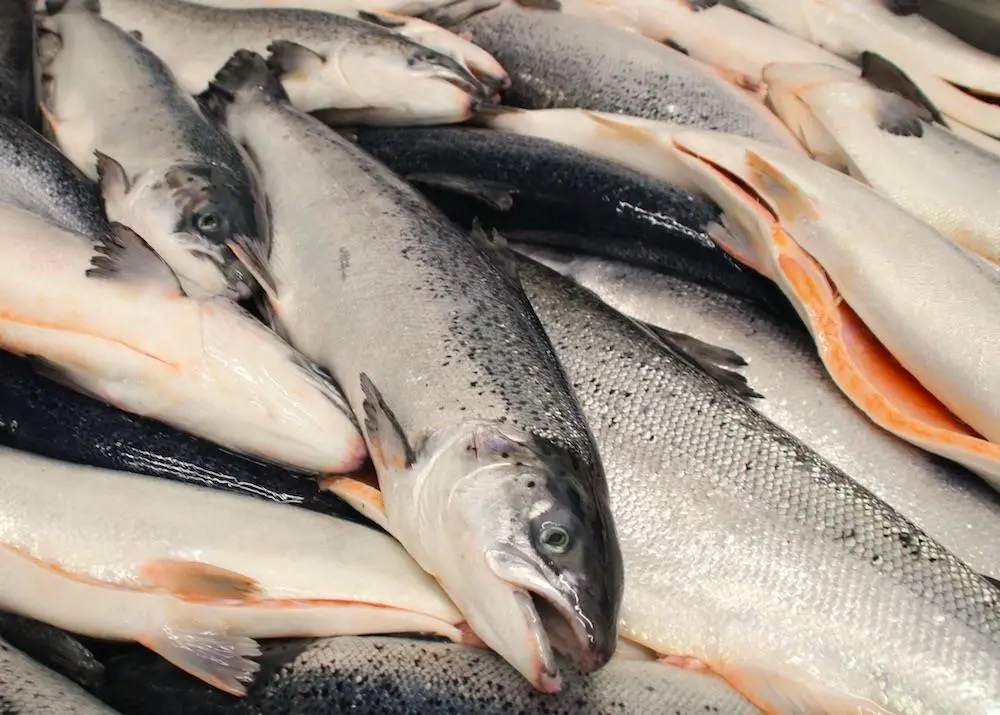
Salmon farmers have worked hard to overcome these challenges which included planktonic blooms and increased water temperatures. These affected the health of some fish, with the largest reported cause of premature mortality being caused by gill health issues.
Hamish Macdonell, director of strategic engagement with the SSPO, said, “The Scottish salmon farming sector continues to invest and innovate in the management of such challenges. Fish health and welfare will always be our members’ top priority.
“There are a number of initiatives underway to increase the health management toolbox available to Scotland’s fish farmers. These are being complemented by focused research into understanding the impacts of recent environmental challenges, the Scottish 10-year Farmed Fish Health Framework and increased sector-wide information sharing.”
Scotland will host the next Gill Health Initiative meeting in April, with representatives from Chile, Norway, Faroes and Ireland expected to attend alongside their Scottish salmon farming counterparts.
Sea lice averages for 2019 were 0.54 adult female lice per salmon, up slightly from a seven-year low in 2018 of 0.46.
Related Articles
 AQUACULTURE
 AQUACULTURE
 SEAFOOD