




Progress on yellowfin – but more is needed
A third attempt to reach agreement between Indian Ocean Tuna Commission members on rebuilding the Indian Ocean yellowfin tuna stock has been successful, but there are already warnings that this does not go far enough.
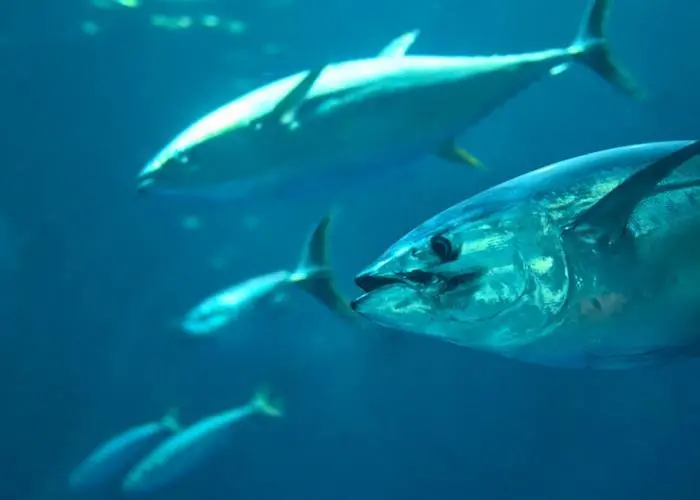
With pressure mounting from retailers and companies in the seafood supply chain, and after five days of negotiation, IOTC members agreed on a 400,512 tonne catch limit.
Working with data provided by the IOTC’s own Scientific Committee, the Global Tuna Alliance had called upon members to limit catch to 341,000 tonnes, a figure judged sufficient to allow the yellowfin population to regenerate within two generations.
There is concern that with the exemptions available to the five objecting countries, it remains unclear whether this reduction will lower the fishing mortality to a level that will rebuild Indian Ocean yellowfin within the necessary period of two generations.
According to the Global Tuna Alliance, credit must be given to those delegations who compromised in order to reach agreement.
“The IOTC member states must listen to the scientific advice to ensure they do not threaten to undermine the effectiveness of this yellowfin rebuilding plan. Should we see further declines in the health of the yellowfin stock in the new stock assessment we will seek a further Special Session of the IOTC to be held in early 2022 – we cannot afford to fiddle while Rome burns,” said GTA executive director Tom Pickerell, commenting that the IOTC Scientific Committee will next meet in December to discuss a new stock assessment.
The GTA recognises that progress has been made following an agreement on catch reduction and stated that despite the Chair of the Indian Ocean Tuna Commission stating that the issue of overfished yellowfin tuna was a priority on the first day of the annual meeting, it remains disappointing that five states did object to the agreement.
According to the GTA, for the five members that objected to the newly-agreed rebuilding plan, previous agreements will apply. This presents significant concerns as the new rebuilding plan removes exemptions to catch reductions. Consequently, these countries effectively have no limits to their catch by vessels under 24m in their own waters. The concern is that this ultimately means the new plan is unlikely to be sufficient to rebuild the stock of this species, which is listed as ‘near threatened’ on the IUCN Red List, despite the best efforts by the majority of IOTC delegates.
Significant compromise was made by several delegations in order to reach the agreement, but despite these efforts, objections were received from a number of countries who felt the rights of artisanal fishers would be compromised and therefore should be exempt from any reductions or catch caps.
“NESI is pleased that a stronger rebuilding plan for yellowfin tuna has been adopted by the vast majority of the IOTC Member States last week,” said Ruth Hoban, Head of Sustainability at New England Seafood (NESI) and a GTA partner.
“We understand the complexities and challenges that make it difficult to reach a decision at these meetings and commend the various delegations for compromising and reaching an agreed decision. While the plan will certainly deliver a positive step to further rebuild the yellowfin tuna stock, unfortunately the agreed reduction in catch, combined with the exemptions, will likely not follow scientific advice, meaning the future sustainability of the stock is still at risk.”
Related Articles
 FISHERIES
 FISHERIES
 WORLD FISHING EVENTS