



Planning urged over possible tuna revenue decline
The CEO of the Parties to the Nauru Agreement (PNA) is urging its members to plan ahead for the damaging effects of possible tuna revenue decline.
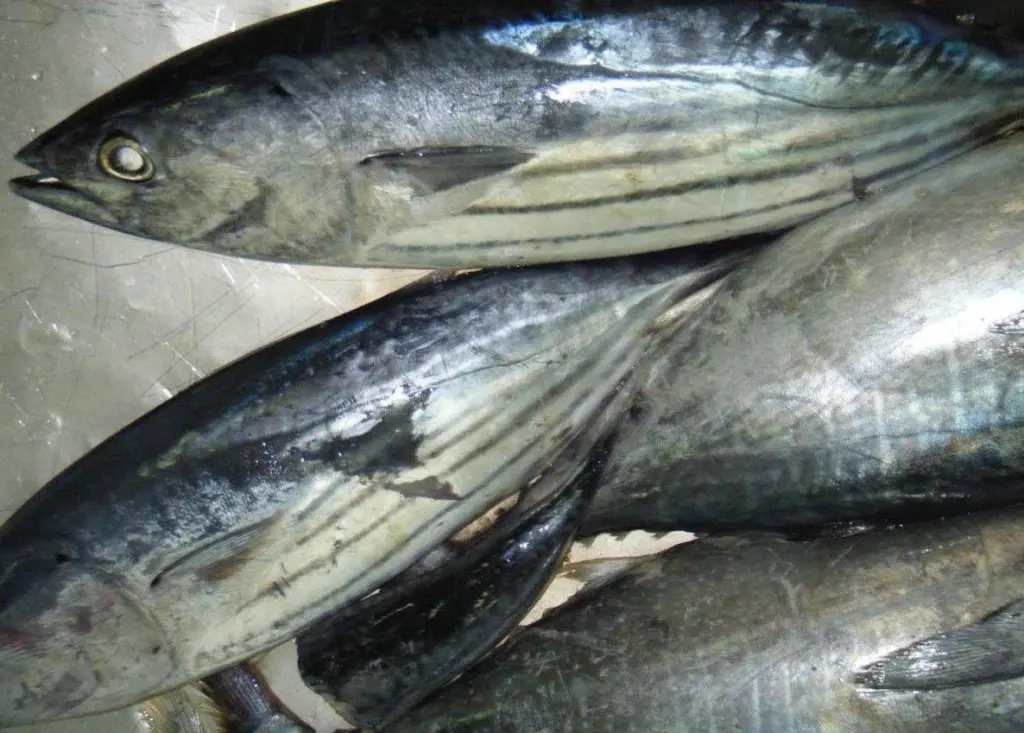
The PNA consists of eight Pacific Island countries that control the world’s largest sustainable tuna purse seine fishery supplying a major portion of the world’s skipjack tuna.
Dr Transform Aqorau, CEO, PNA, said: “We can’t be complacent about the income we’re receiving now. One bad year of fishing will have a huge negative impact on our economies.”
He warned that climate and other environmental factors, including an over-abundance of tuna stock depressing prices, or market forces out of the PNA’s control, can all impact fishing in the western and central Pacific.
He added there are a range of threats from unknown future environmental changes affecting fishing, including market states using measures to undermine or weaken PNA efforts at developing domestic fishery capacity that may impact future income for PNA members.
Region-wide, PNA said it can demonstrate that tuna catches in PNA waters have remained stable, while catches on the high seas are escalating because there is no effective management system in place. For example, while PNA enforces a three-month moratorium on the use of fish aggregating devices (FADs) in PNA zones, Indonesia and the Philippines are not applying this closure to their waters. This all has a detrimental effect on the fishery.
PNA member countries have seen revenue increase five times since 2010, going from US$64 million to an estimated US$350 million in 2015, which Dr Aqorau attributes to PNA’s vessel day scheme (VDS) management system.
He said that with the additional revenues now available, members need to look at setting up trust or insurance funds so that when revenue goes down, governments are insulated from the damage.
The World Bank is presently supporting a fisheries project in the Federated States of Micronesia, Marshall Islands, Tuvalu and the Solomon Islands on how to design an insurance trust fund buffer for “drought years” in terms of revenue.
PNA plans to continue to improve management of the VDS during 2015, expand its fisheries information management system and push for tighter control on high seas fishing.
Its members are the Federated States of Micronesia, Kiribati, Marshall Islands, Nauru, Palau, Papua New Guinea, Solomon Islands, and Tuvalu.
Related Articles
 FISHERIES
 FISHERIES
 WORLD FISHING EVENTS