






Pacific Bluefin tuna in conservation crisis
Members of the Northern Committee of the Western and Central Pacific Fisheries Commission (WCPFC) are meeting this week to adopt “urgent” new conservation measures to protect declining Pacific Bluefin tuna.
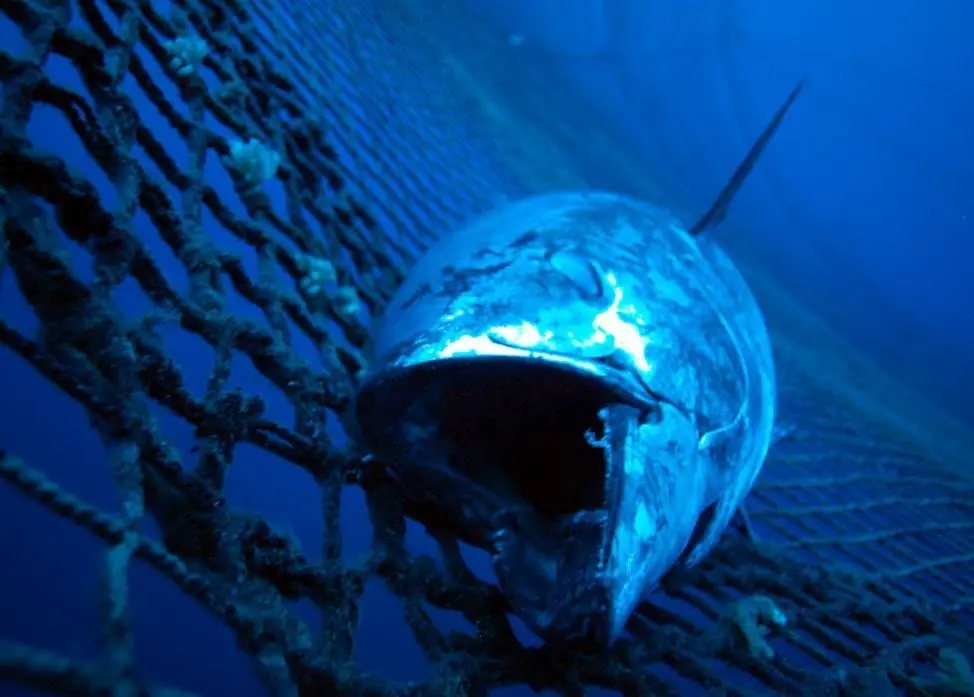
Decades of overfishing have seen the popular species, which takes several years to mature and start reproducing, fall by 96% from unfished levels – and the numbers continue to drop.
This week’s meeting will see representatives from eight member countries attend to discuss conservation of the species, including experts from the USA’s The Pew Charitable Trusts.
“Recent studies indicate that if fishery managers stay the current course, without additional conservation actions, the Pacific bluefin will face a dire future,” said Amanda Nickson, director of global tuna conservation for The Pew Charitable Trusts.
Recent studies by the International Scientific Committee for Tuna and Tuna-like Species in the North Pacific Ocean (ISC) revealed that the number of fish born in 2014 may be the lowest ever recorded, and that 98% of total catch is made up of juveniles, meaning the majority of the species is caught before the fish reach maturity and, therefore, before they produce any offspring.
In addition, a study Japan’s National Research Institute of Far Seas Fisheries released in April concluded that under current management measures, the Pacific bluefin population will continue to decline, and it could soon tumble to the lowest level ever.
“The Northern Committee, the ISC, and the WCPFC all have said that a long-term recovery and management plan for Pacific bluefin is important, but these statements mean little unless they are followed by concrete actions,” Ms Nickson added.
Now, The Pew Charitable Trusts says the time has come for reaching agreement on a long-term harvest strategy for the species which includes a goal of returning the population to healthy levels—at least eight times greater than the current size—by 2030; management actions that, when implemented, lead to a high probability of successful rebuilding—and a low risk of returning to dangerously depleted levels; and a set of science-based catch limits and other necessary measures to meet the plan’s goals.
“Without such action, the international community will be forced to look at other options, including a global trade ban for this species. This fishery and population cannot be allowed to collapse because of insufficient action by fisheries managers,” Ms Nickson concluded.
Related Articles
 FISHERIES
 FISHERIES
 WORLD FISHING EVENTS