



Op-Ed: Helping to keep the blue economy above water
Marking World Oceans Day (8 June), Mars Petcare’s Global Marine Sustainability Lead, Andrew Russell, looks at the challenge of sustainable fish sourcing, and highlights the importance of investment in the blue economy and the need for long-term thinking in order to improve ocean health.
As its name suggests, the Peruvian anchoveta is a species of fish that mostly inhabits the cold waters surrounding Chile and Peru. This small pelagic species has become critical to the economies of the Southeastern Pacific nations. In Chile alone, they contribute more than half of the volume of fish, with fisheries and aquaculture supporting the livelihoods of more than 300,000 people.
The Peruvian anchoveta is small, usually only reaching around 20cm in length, but what they lack in size they make up for in numbers, travelling in vast shoals along the expansive Chilean and Peruvian coastlines. For that reason, as well as their high nutritional value, they have become a commercially important species, consumed not only by humans but also used by aquaculture, livestock and pet food industries. But this species, which plays a key role in the food chain, faces threats from multiple angles, such as unsustainable fishing practises and fluctuating stock health due to climate change.
Solving this complex challenge requires significant cross-sector collaboration, as well as a multilayer approach to help protect natural ecosystems, reduce pressure on fish populations, and support the livelihoods of people dependent on fish supply chains. At Mars, our Responsible Fish Sourcing Strategy focuses on: Reducing pressure on ecosystems; rewarding sustainable, and traceable fish supply chains; restoring critical habitats through collaboration; and respecting the human rights of those involved in our fish supply chains.

Supporting sustainable fisheries
Properly regulated fisheries are inherently more sustainable. By managing fishery operations, including for example catch limits, vessel monitoring and enforcement, and restrictions on fishing areas, governments and local communities can ensure fish stocks are healthy enough to sustain and where needed replenish the ecosystem. However, many fisheries that are aiming to improve their operations require significant investment into their long-term recovery and stability. Currently, one of the biggest challenges that fisheries involved in fishery improvement projects (FIPs) face is fragmented funding streams.
In April 2023, in a bid to address this very issue, Finance Earth – an impact investment advisory and fund manager in collaboration with WWF who Mars have been proud partners for the past 10 years – launched the Fisheries Improvement Fund (FIF), which aims to catalyse a $100 million investment in fisheries improvement by 2040.
The FIF is an innovative multistakeholder blue finance solution that brings together key industry players, including Mars Petcare. The latest project in Chile, which was announced in April of this year, aims to improve the management and stock health of multiple small pelagic species in the region – particularly of Peruvian anchoveta in the Central-Southern Region.
At Mars, we depend on sustainably managed fish supply chains, as these nutritious ingredients are used in our pet food brands, such as SHEBA and WHISKAS. That’s why, alongside other businesses, Mars joined the FIF – committing $1 million to the fund over the next five years to support fisheries improvement projects (FIPs).
Protecting and restoring vital marine habitats
As well as sustaining fish populations through improved management, it’s also vital to invest in the restoration of natural habitats, particularly coral reefs, which are among the most biologically diverse and valuable ecosystems on the planet. An estimated 25% of all marine life, including over 4,000 species of fish, depend on them. However, coral reefs are also among the most sensitive natural ecosystems, vulnerable to the impacts of climate change, warming ocean temperatures and damaging human activities.
Coral reef restoration has a myriad of benefits. As well as being a vital habitat for many commercially important fish species, healthy reefs can act as natural barriers protecting coastlines from erosion and storms, draw tourists to boost local economies, and play a crucial role in supporting over a billion people who are reliant on coral reefs worldwide.
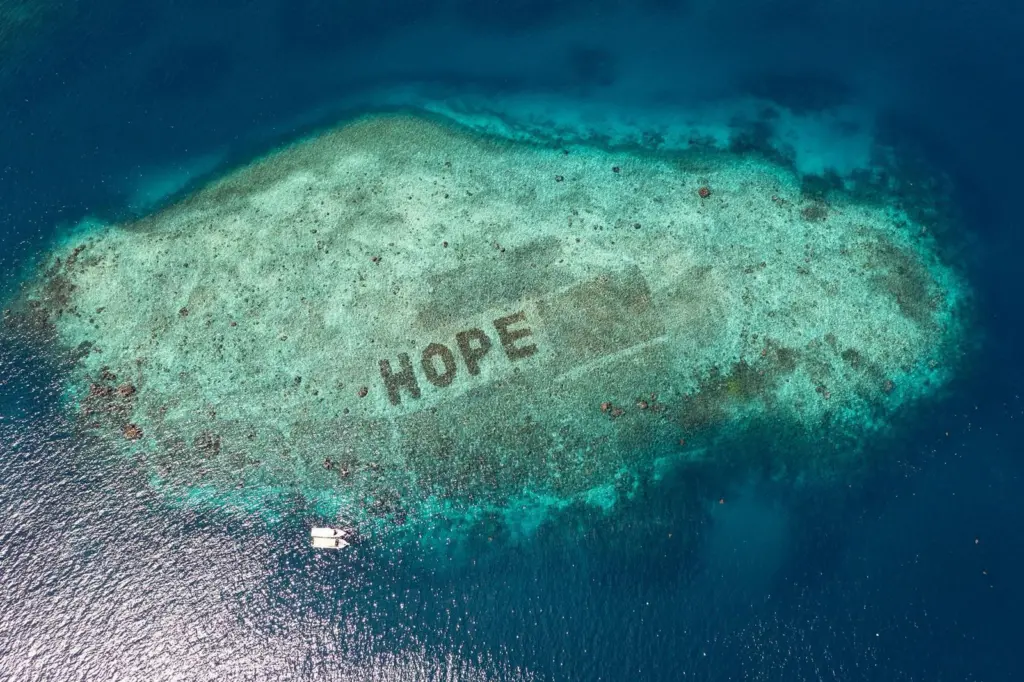
Only a few years ago, if you were to visit the shores of Sulawesi in Indonesia and the Salisi’ Besar reef, you would have found a barren seafloor, carpeted with highly mobile, grey coral rubble. Salisi’ Besar is just one of many coral reefs around the world that was once colourful and full of life, but was slowly withering away from the impacts of human activity.
Thanks to a collaborative effort, led by the Mars brand SHEBA, the reef has begun to be transformed as part of the world’s largest reef restoration program. In fact, today, if you were to look at satellite images of Salisi’ Besar, you would see the restored reef spells out the word “H-O-P-E”. So far, there has been a 64% rise in the number of fish species and coral growth has increased from just 2% to 70%.
Collaborating to support a flourishing blue economy
Programmes like Sheba’s HOPE reef restoration, and the Fishery Improvement Fund are only made possible when partners who are dependent on the blue economy take accountability for the impact of their operations and commit to working hand-in-hand with local communities, experts, organisations, and others in the industry to address the issues surrounding sustainable sourcing.
By thinking long-term and partnering across sectors to achieve scalable change, we can drive the regeneration of our most critical marine ecosystems and resources through restoration programmes, from local fishing communities to global multinationals – collaboration remains the key to a more abundant future for all.
About Andrew Russell
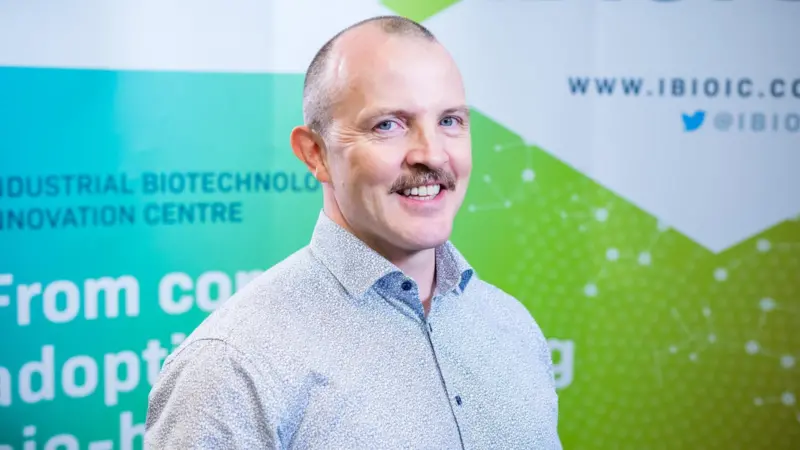
Russell leads the global work on fish sustainability for Mars Petcare, part of the Mars, Incorporated family of companies. His role incorporates both internal sourcing strategies and external project engagement. He is a specialist in marine science and has been involved with both NGOs and businesses focused on sustainability.