



The National Federation of Fishermen’s Organisations (NFFO) has responded to Defra’s proposal requiring all vessels below 12 metres in length to fit and operate inshore vessel monitoring systems (iVMS) when operating in English waters.
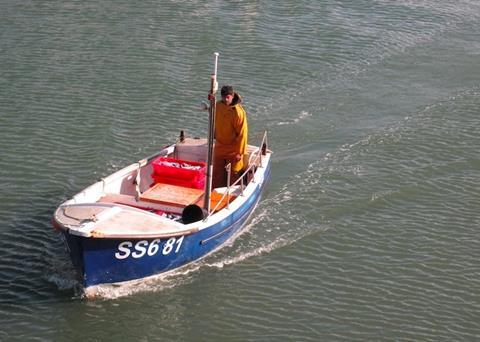
Around 327 vessels which are over 12 metres are already subject to satellite-based monitoring and the new regulations, if adopted, will affect approximately 2,751 more.
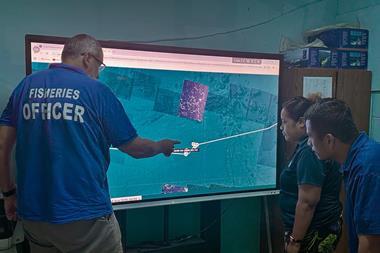
The technology will allow regulators to track the location, speed and heading of smaller vessels in near real time and the proposed changes will also apply to English vessels operating outside English waters.
Purchase and installation costs would initially be met through the European Maritime and Fisheries Fund (EMFF) with vessel owners responsible for reporting costs and replacement equipment.
Smaller vessels have long benefited from lighter monitoring but this is felt by the NFFO to cause problems.
In a media statement the NFFO said: “Minimal bureaucracy has been welcomed by the small-boat fleets. However there are been a number of downsides.”
According to the NFFO, these downsides include erosion of quota rights; a precautionary approach to regulation which can result in more severe measures; displacement from customary fishing areas and a lack of political visibility.
Pros
Leaving the EU will bring major change for the inshore sector and this could present an opportunity for the UK to develop a fit-for-purpose management system for coastal fisheries. In particular iVMS could allow access for inshore vessels to fish in protected areas from which they would otherwise by prohibited; provide data to resolve gear conflicts and contribute to the documentation that could allow parts of the fleet to be treated as low-impact.
Cons
Inshore fleets are diverse and the scale of fishing operations within ‘inshore’ can vary considerably. Whilst many vessels in this category are of considerable capacity, others are of such limited range and type of operation that a requirement to fit and pay for iVMS might be onerous.
Summary
The NFFO advises caution and suggests a number of important preconditions should be met. These include that the equipment is fit for purpose, taking account of limited space; vessels in remote locations should be able to keep fishing in the event of equipment breakdown bearing in mind the logistics of repair in these areas; legislative requirements must not expose vessels to exploitative maintenance contracts and that the financial challenges of replacing the systems or indeed accessing EMFF funding in the first place are understood.
In conclusion the NFFO said: “All this points to the need for a risk-based approach with a degree of flexibility.”
“A strong dialogue is required at national, local and, if necessary, at vessel level to deal with initial issues and to resolve outstanding problems. [This] should be considered as integral to the whole roll-out programme,” it added.