



Octopus farming – to be or not to be?
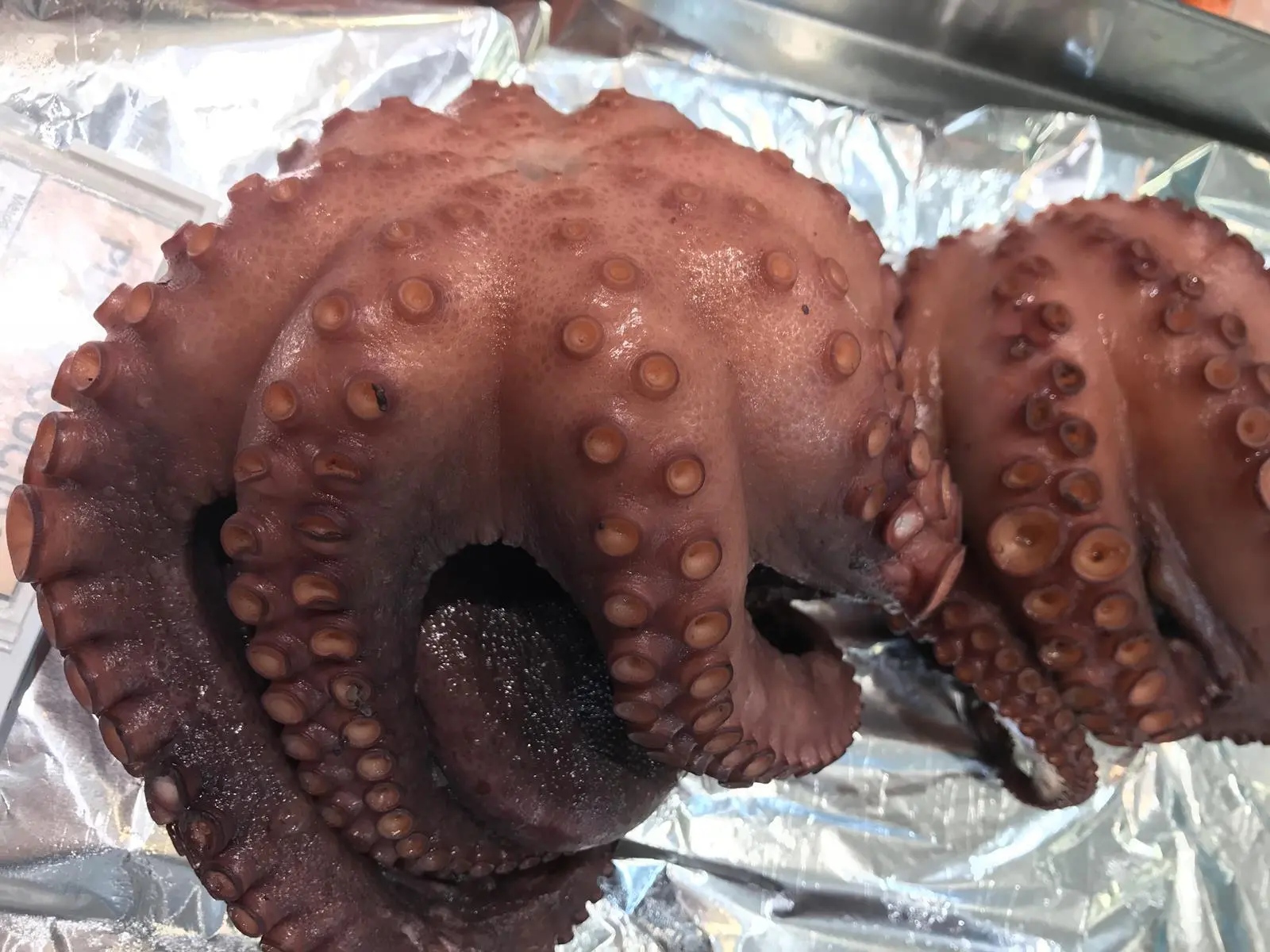
While its production technology has been tried and tested, Nueva Pescanova’s octopus farming project is at a crossroads, with regulatory approval to get the work started pending. The farm in Spain’s Canary Islands would raise one million octopuses annually for food, equal to roughly 3,000 tonnes. But while octopuses are widely caught in the wild, their intensive farming has long been considered nearly impossible since larvae only eat live food and need a carefully controlled environment. That was until production technology rolled out by Nueva Pescanova in 2018 overcame the issue.
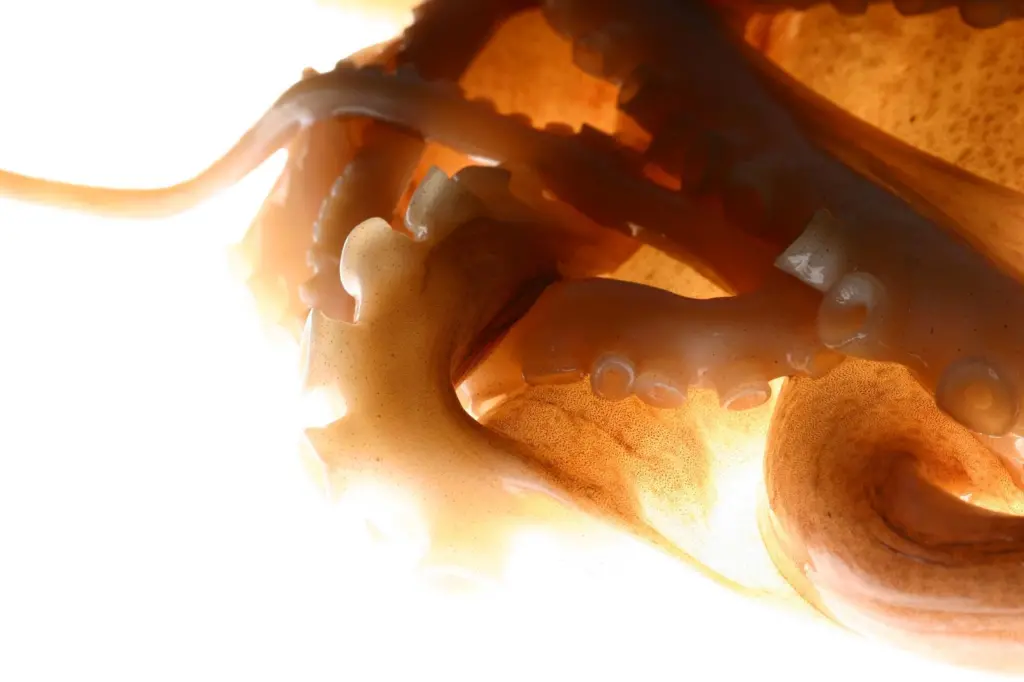
“We are currently working with the fifth generation of octopuses born in our facilities that have reached adulthood – managing to reproduce outside their natural habitat,” Nueva Pescanova’s Carmen Villalonga told WF.
The project is supported by a solid scientific base, including nine scientific research centres in Spain, Portugal and Mexico, including prestigious institutions such as the Spanish National Research Council, the Spanish Institute of Oceanography, CIIMAR and various universities.
“Collaboration and joint work have been key to its success,” Villalonga said. “The plan is to develop sustainable aquaculture with a focus on responsible farming practices that prioritise the welfare of octopuses as well as efficiency at an environmental level.”
The state-of-the-art technology covers all stages of the octopus lifecycle – from egg hatching to careful care in the juvenile and adult stages, Villalonga said, adding that in-depth knowledge of the octopus lifecycle, gained through rigorous research, has been essential to successfully advance octopus farming from breeding to fattening.
Ethical issues spark controversy
Since the first details of the project were made public, Nueva Pescanova has faced firm resistance from environmentalists and a part of the scientific community. On 8 October – World Octopus Day – some 75 NGOs, experts and public figures sent an open letter to the Canary Islands’ government calling for it to reject plans to build the world’s first commercial octopus farm. They claim that allowing the farm to advance would cause animal cruelty and environmental damage and may negatively impact the islands’ communities and tourist trade.
“We think the science is clear and octopuses cannot be farmed with high welfare standards,” said Dr Elena Lara, Research Manager with the Compassion in World Farming organisation.
In 2021, Compassion in World Farming published the ‘Octopus Farming: A Recipe for Disaster’ report, which showed that octopuses’ exceptional characteristics make them uniquely unsuitable for intensive farming. The report reviewed the scientific evidence and revealed how the animals are solitary in nature and generally live and hunt on their own. Confining them to underwater tanks could lead to aggression or even cannibalism, it said.
Some recent studies also suggest that octopuses are highly intelligent animals. In one report, the American Veterinary Medical Association even pointed out that captive breeding of octopuses was difficult, among other things, because these creatures found outstanding ways to escape tanks and cages.
One of the points for debate is the slaughtering methods that will be utilised. None of the available technologies assure a scientifically-validated approach to the humane slaughter of octopuses, Lara said. For instance, the ice slurry Nueva Pescanova may resort to has been recognised by EFSA and OIE as an inhumane method that needs to be phased out.
Ice slurry involves submerging the animals in 500-litre plastic containers of icy water, where they would develop hypothermia and eventually freeze to death. Environmentalists claim this way of slaughter is slow and painful. Some experts have suggested immersing the animals in seawater mixed with a small amount of magnesium salts or around 3% ethanol before they are killed. However, it’s unclear whether octopuses killed in this way are safe for human consumption.
There are also concerns over the conditions in which octopuses will be kept. Nueva Pescanova reportedly planned to breed octopuses in tightly packed areas — around 10-15 octopuses per cubic metre. Several reports warned that this method could cause stress for octopuses and even push them to attack and/or cannibalise.
Meeting the global demand
Despite public concerns, there’s a big question of whether there’s a viable alternative to octopus farming in the long run. The global consumption of octopus amounts to 350,000 tonnes per year, worth $2.7 billion, and the market is expected to grow by 21.5% by 2028 compared with 2022. As sich, it’s doubtful whether global octopus stocks are sufficient to secure a similar growth in output.
Villalonga suggested that in the context of growing consumption, humanity needs to find sustainable solutions that would allow it to protect the species in the wild. In this light, the Canary farm is seen only as the first step, as with only 3,000 tonnes of production per year, it will meet less than 1% of the global octopus demand. Therefore, more capacities will be needed in the long run.
Numerous scientific and public organisations back aquaculture as an alternative to the wild seafood catch. According to the latest “The State of World Fisheries and Aquaculture” (SOFIA) report published by FAO, sustainable aquaculture development remains essential to meet the growing demand for aquatic food. It also contributes to better nutrition for the population while at the same time safeguarding the food safety of the product.
“All these aspects are directly related and contribute to the EU’s Farm to Fork Strategy that aims to accelerate our transition to a sustainable food system, ensuring food security and making sure that everyone has access to sufficient, safe, nutritious, sustainable food while preserving its affordability,” Villalonga said.
“The octopus aquaculture project is a pioneering scientific milestone in the world, born precisely out of the need to meet the increasing demand for this superfood while helping to conserve the species,” she added.
Addressing concerns
Nueva Pescanova disagrees with the reports labelling its technology as cruel or inhumane. Among other things, those favouring octopus farming pointed out that fishermen catching wild octopuses don’t bother developing and applying better slaughtering practices.
In addition, the originally presented technology is being shaped up, according to Villalonga. “We optimise their cultivation from four areas: genetics, nutrition, health and animal welfare, the latter being our central pillar. Under this premise, we prioritise their welfare throughout their life cycle in terms of food, space, temperature, water quality, etc; by applying the specific conditions of the species in the wild to the breeding process.”
Villalonga added: “Our technology, facilities and farming methods follow the highest standards of quality and animal welfare. All parameters, from light conditions, space, feeding to water quality, have been taken into account to ensure that the conditions in which the animals live are optimal.”
In terms of water management, a microfiltration treatment is planned so that the water entering and leaving the farm will be filtered so that it has no impact on the environment, and a camera is planned along the route to collect water samples and check that all the parameters are met. The installation of photovoltaic panels on the farm is also intended, which will considerably reduce the amount of energy consumed by the electricity grid during peak solar hours.
Nueva Pescanova has submitted all the documentation that was requested in order to move forward with the project and is in the process of obtaining the necessary licences. The company does not yet have a concrete date for the start of construction and production at the plant. There are also no concrete commercial plans, though it is expected that most of the farmed octopus will be sold on local markets. At the same time, there are no guarantees that the world’s first octopus farm will eventually see the light since environmentalists put heavy pressure on lawmakers to prohibit the commercial breeding of octopuses.
“If we want to ban octopus farming, we need that policymakers and decision-makers include a ban on octopus farming in the legislative documents,” Lara said.
“The [current] status [of the Nueva Pescanova project] is that the Canary Islands government is evaluating the impacts of this farm, and we are waiting for its decision. For now, we know that the government has asked for an exhaustive environmental impact of the farm. We don’t know what will happen with the farm, but we are fighting to stop the project as much as we can, raising awareness to the public and making science accessible, so decisions are made with the information in our hands,” she said.
Related Articles
 PROCESSING & REFRIGERATION
 PROCESSING & REFRIGERATION
 PROCESSING & REFRIGERATION