




Proper product handling, rapid and efficient cooling are critical factors in preserving the quality and freshness of a catch. More than ever, consumers are demanding high quality, fresh seafood. To achieve this, the initial rapid cooling of the product is required, according to US-based Highland Refrigeration.
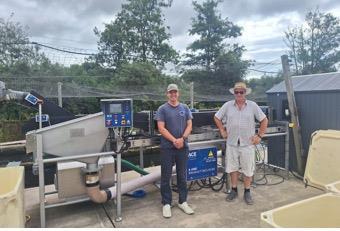
In addition to refrigerated sea water (RSW) and flake ice, Highland has developed slurry ice machines that are capable of producing up to 70 tonnes of slurry over a period of 24 hours.
Ice is harvested via BUUS standard horizontal ice machines. The ice enters a mixing chamber where seawater is added.
The mixing process involves an agitator that converts the ice to slurry. From the mixing chamber, the slurry is homogenised and pumped to the desired location.
The viscosity of the mixture depends on the percentage of ice that exists in the slurry. A 40% ice to water ratio is typically desired; however, the machine can produce the slurry at a wide range of ice to water ratios to satisfy all needs, the company said.
The lower the salinity in seawater, the harder it is to make slurry. Most slurry ice machines can only operate at 3% (by mass) salinity or higher, and adding of salt is needed in case of lower salinity.
Some might be fishing near a mouth of a river, on a bay, or inshore where the salinity on an outgoing tide might be much lower than 3%. The new Highland slurry ice machine operates with salinity as low as 1.5% using a unique mixing chamber design.
Highland slurry ice machines are manufactured with detachable slurry attachments allowing them to produce standard flake ice by simply removing the attachments.
The slurry produced is 29°F to 30°F, a few degrees lower than the melting point of freshwater ice, which speeds up the heat removal process. However, it is not so low that it introduces the risk of partially frozen product.
According to the manufacturer, the Highland slurry system is extremely simple to operate with only one adjustment-to set the viscosity of the slurry-and an on/off switch. Less than a minute after the machine is turned on, slurry ice starts to flow.
“Testing onboard Atlantic trawlers gave us [the] feedback to perfect the machine. Two other manufacturers had to take their equipment back as it could not handle the low salinity seawater,” the company said.