

Japan’s latest step against illegal seafood
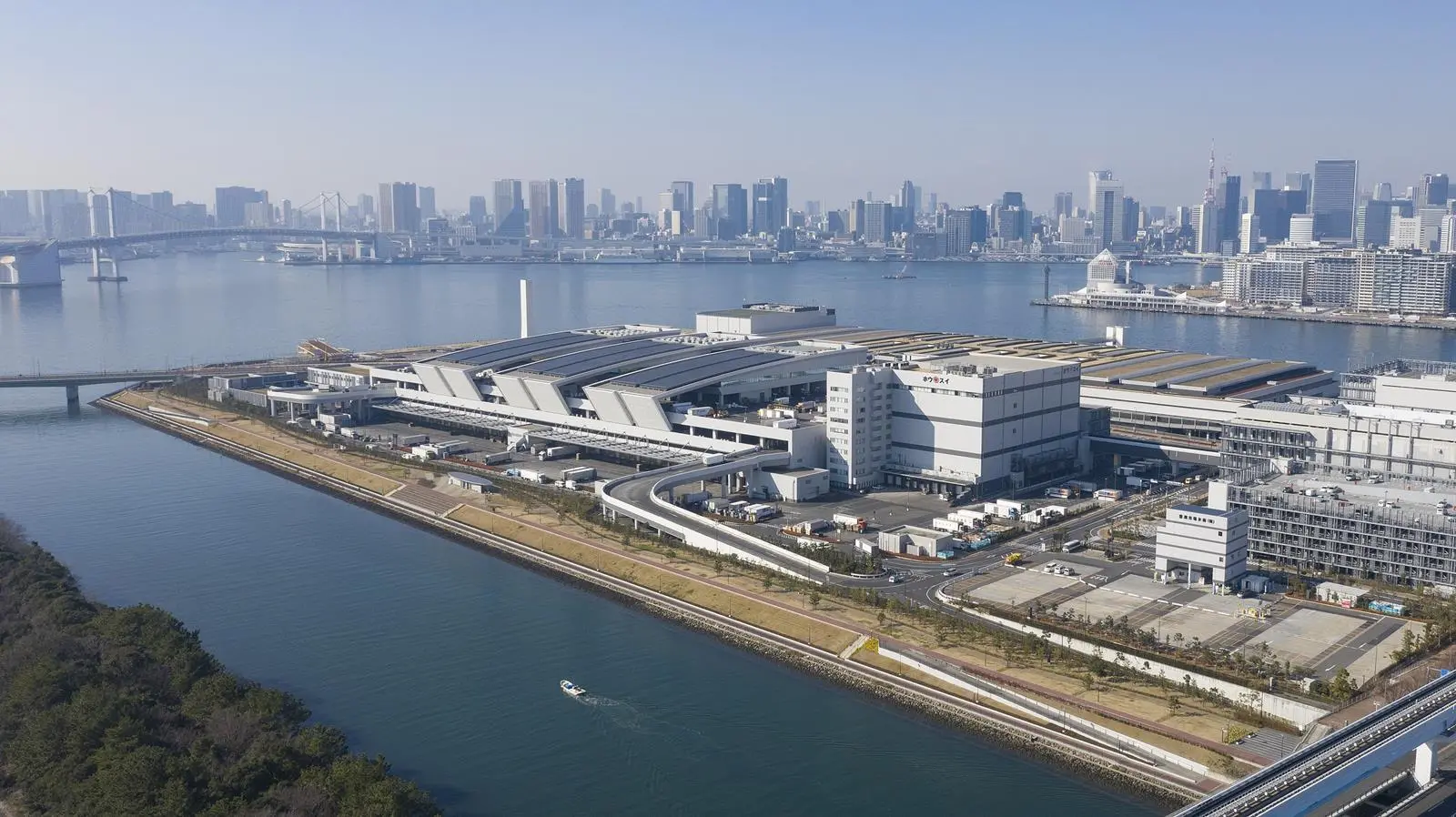
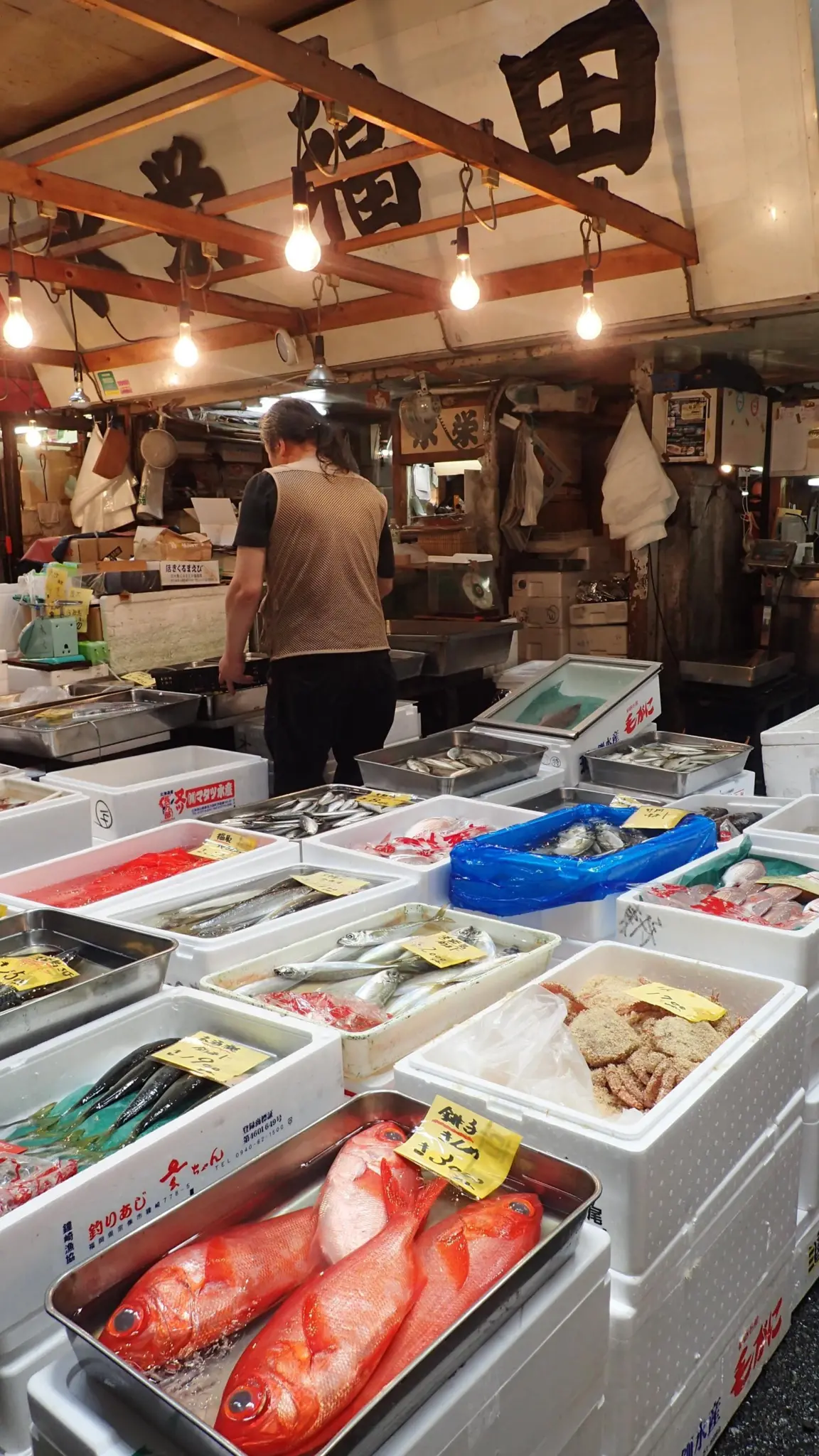
Japan is the world’s third largest seafood importer after the US and the EU, and home to the world’s largest seafood market, Toyosu, in Tokyo. For centuries, seafood has been intricately linked to the country’s culture and cuisine, comprising over 40% of animal protein consumed each year. Over the past century, Japan has also dominated global seafood trade through its fishing fleets and by importing high value fishery products, while Japanese cuisine such as sushi has become increasingly popular across the world. However, Japan’s high seafood import rate – US$15 billion’s worth of products – makes it vulnerable to illegal seafood imports, with lax traceability requirements only compounding the problem so far, according to Wakao Hanaoka, CEO of Tokyo-based consultancy firm Seafood Legacy.
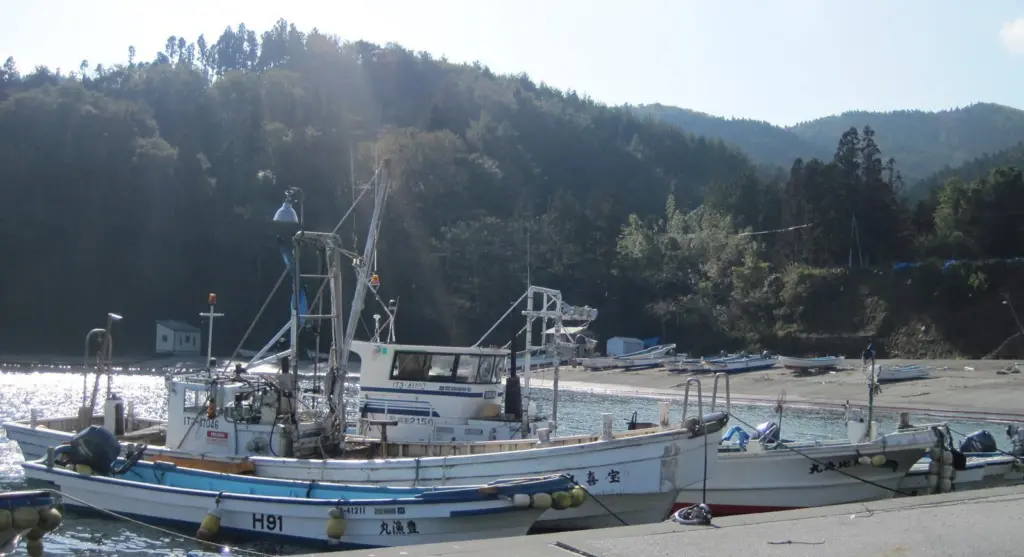
“The US and the EU have had import regulations against IUU fishing for a while now,” Hanaoka told WF. “Japan, on the other hand, has had to deal with a large influx of seafood that was sourced from potential IUU fisheries and excluded from US and EU markets. It is presumed that the Japanese market became a place of unfair competition between seafood from legitimate businesses and cheap imported seafood from IUU fisheries. In fact, it’s estimated that at least 30% of the seafood coming into Japan is sourced from IUU fisheries.”
But in December 2022, the Act on Ensuring the Proper Domestic Distribution and Importation of Specified Aquatic Animals and Plants came into force. This new act aims to prevent the inadequate distribution of aquatic animals and plants and IUU fishing by requiring stakeholders – fishers, distributors, exporters, importers – to meet various obligations.
It also follows on from the Domestic Trade of Specific Marine Animals and Plants Act, which was passed in December 2020 to ban IUU seafood imports. These steps reflect a growing effort in Japan to address IUU fishing by increasing penalties, imposing individual quotas on fishing vessels and introducing a science-based total allowable catch system. They also bring Japanese law further in line with the US and the EU.
Legitimising producers
Hanaoka said the new act is a major advance in Japan’s efforts to recognise and combat IUU fishing.
“It’s a step forward in protecting legitimate producers from unfair competition and building a system where the world’s three largest seafood markets firmly refuse IUU fishing, especially as these markets account for over half of all seafood traded internationally,” he said. “The new act will contribute to eradicating IUU fishing worldwide and protect domestic businesses pursuing sustainability by connecting the marine economy, local communities and the marine environment as well as creating a market that rewards integrity. We see this initiative as a step towards fulfilling our responsibility as one of the top seafood markets.”
Shuhei Uematsu, Manager of Anti-IUU Fishery Projects & Fisheries Resource Management at WWF Japan, agrees.
“There has been worldwide demand for action to eliminate IUU fisheries,” he said. “Furthermore, low-priced products from such fisheries have become threats to Japanese fishermen who respect rules. This new act that prevents the distribution of IUU fishery-origin seafood is meaningful to solve a global problem as well as to protect the Japanese seafood industry.”
Proof of operations
The new act targets seven species – Pacific saury, squid, mackerel and sardines which are imported, and abalone, sea cucumber and glass eels which are caught domestically. Fishermen are obliged to notify the government of their fishing licenses before catching designated aquatic animals and plants, and attach labels of their fishing identification number and fishing activity number on each lot.
Distributors must keep a record of transaction information for traceability purposes (product name, weight, date, name of business operator, fish identification number, and fishing activity number). Exporters must obtain and attach catch certificates issued by the Ministry of Agriculture, Forestry and Fisheries (MAFF) when exporting aquatic animals and plants, while importers are required to obtain and attach a certificate issued by a competent authority of the exporting country to confirm that the seafood is not from IUU fisheries.
Japan is expected to benefit from the new act with an increase in the number of fishermen adhering to the law and playing a role in resource management, while major retailers and suppliers will be able to keep better track of the seafood that they are selling and ensure that IUU products are not circulating in the markets.
However, Uematsu believes there are still some challenges when it comes to the new act.
“The number of species covered by the act is still small,” he said. “The EU covers all importing fish species with an earlier implementation of a similar regulation, and the US is considering legislation to increase its current 13 target species to all imported species. Japan should also increase the number of target species, and I hope that the government will take the lead among Asian countries as an advanced nation fighting against IUU fisheries.”
“The EU, US and Japan are also not following the same conditions when importing seafood,” said Hanaoka. “For example, all three import fish from southeast Asia, but if the key data elements for seafood required by each market are different, producers have to prepare documentation for each one, which is not easy to do. The three markets must come up with the same conditions to make importing easier. It’s also not always clear whether information on paper is correct, while there are concerns that the new act won’t reduce IUU fishing. This is where countries, regions and governments need to work together. International cooperation is key.”
Reaffirming sustainability
Hanaoka attested that the buying power of major retailers like Aeon and Seven & I Holdings could also play a positive role in the fight against IUU fishing. In the past, Japan was more reluctant than other countries to commit to sustainability or traceability, but now, several domestic retailers and seafood processing/distribution companies have updated their corporate policies to exclude seafood sourced from IUU fisheries and establish a traceability system.
Steps such as these, as well as moves by Japanese firms like Maruha Nichiro to join the SeaBOS initiative, are likely to have a huge international impact, said Hanaoka.
Hopes are high that the enforcement of Japan’s new act will influence international interest in strengthening and expanding cooperation among major seafood importers to eradicate IUU fishing. Creating a seafood market that pursues environmental sustainability and social responsibility will also be necessary for Japan, given that the country’s affinity for fish isn’t likely to go away.
“This new act is based on US and EU laws, so there has been plenty of international cooperation with specialists, governments and NGOs prior to the enactment,” said Hanaoka. “The question now is how to implement the act and produce results. I am certain that Japan will continue to learn from and work with the US and the EU to generate change worldwide. Japan also needs to share examples of its failures as well as its successes as it continues on this journey. My hope is that it becomes a country that makes significant global contributions in the field of fisheries.”