





ATZI develops ‘bio’ aquaculture ropes
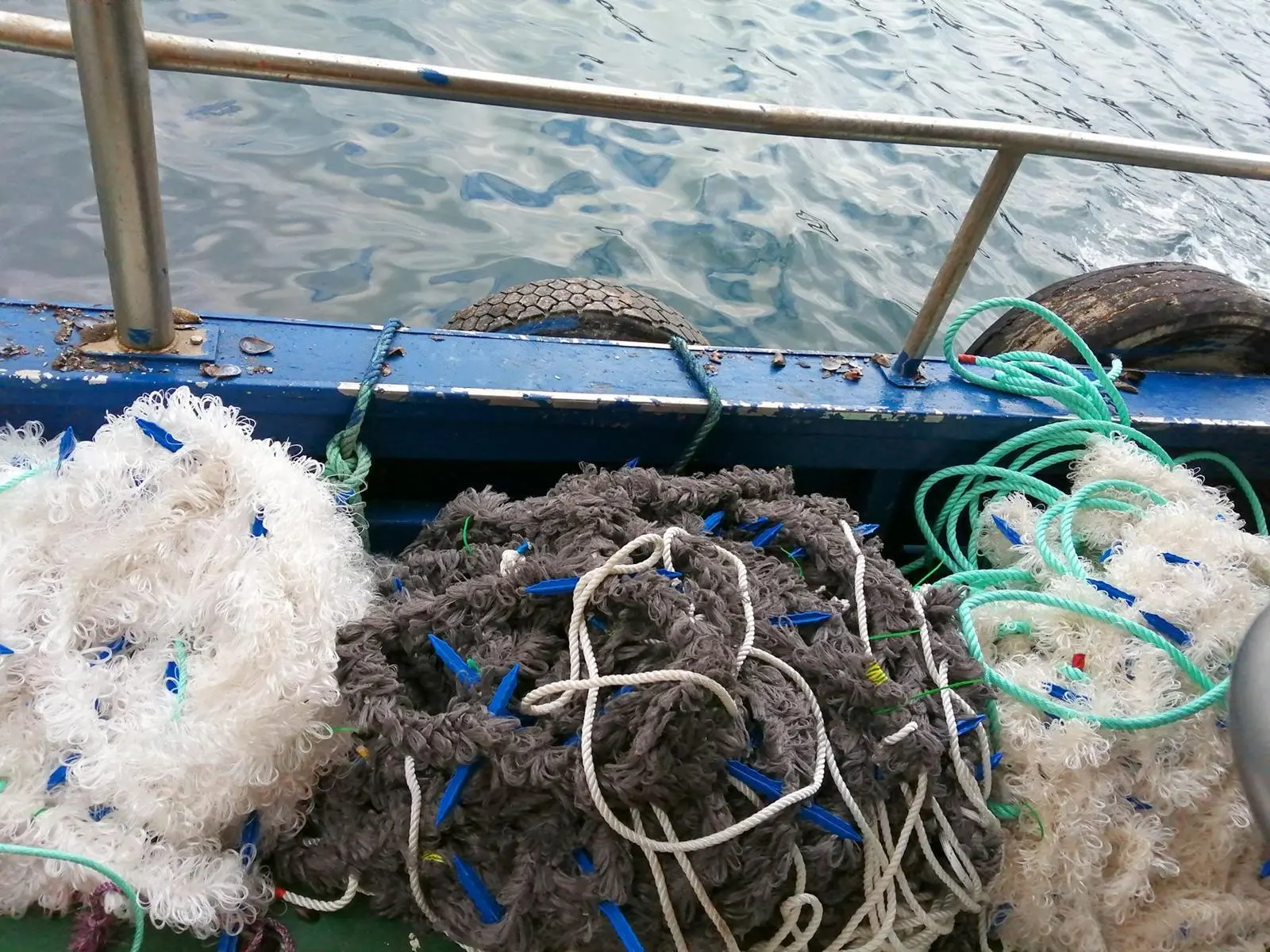
New ropes made from biomaterials have been developed by Spain’s AZTI science and technology centre with the potential to replace conventional plastics of fossil origin in mussel and algae cultivation.
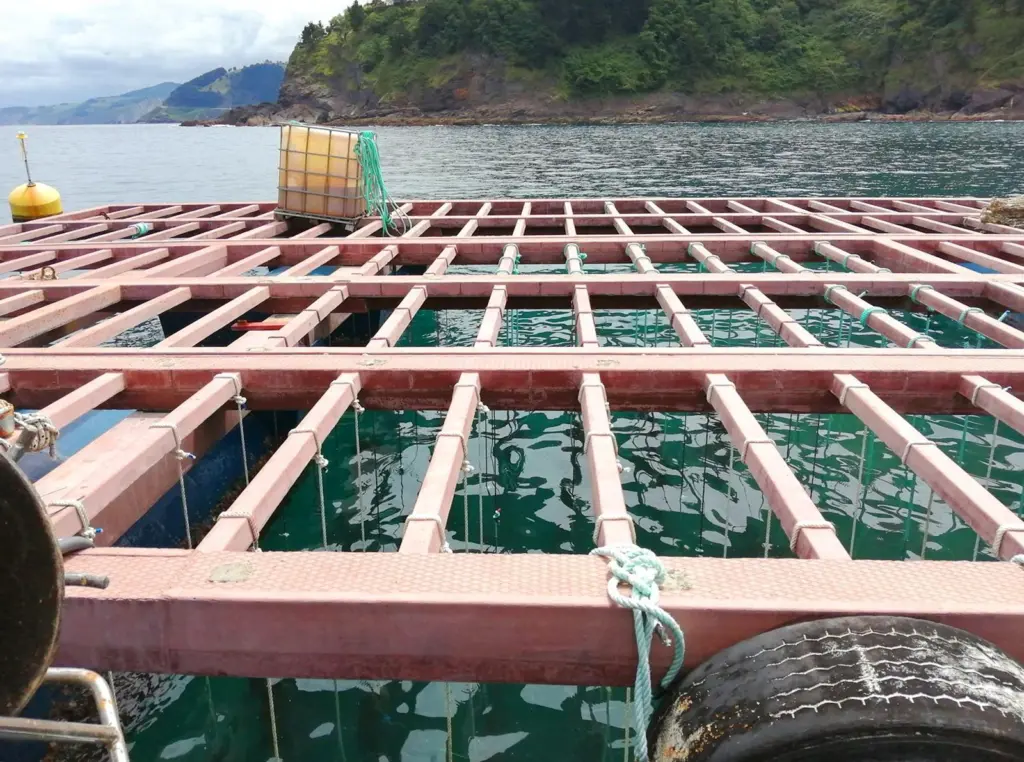
Financed by the EU’s European Maritime and Fisheries Fund (EMFF), with involvement of parties from Spain, Belgium and Ireland, the ropes are part of a wider, four-year Biogears project that was conceived to find more eco-efficient alternatives to the standard ropes used in offshore shellfish and seaweed farming. These tend to be made from conventional fossil-based (non-compostable) plastics that can potentially contribute to the generation of plastic waste and marine litter.
Tests found that after one year of cultivation, higher mussel yields were obtained with the biogears than with gears made from conventional plastics. In addition, the biogears maintained their functional and durability characteristics throughout the duration of the tests.
“We have developed and tested in a real environment prototypes of bio-based ropes or ‘biogears’, suitable for mussel and seaweed culture. The results show that biogears have the potential to replace conventional ropes used in mussel aquaculture, both in the open sea suspended on longlines and on rafts,” ATZI Researcher Leire Arantzamendi said.
Researchers also observed and evaluated the sustainability of the prototypes, considering technical, environmental and economic aspects.
“The biodegradability tests showed that the ‘bio’ ropes do not degrade in seawater at temperatures below 20-30°C, while the compostability tests showed that they can be fully composted in industrial conditions, above 58°C, which would help to manage waste sustainably through organic recycling in industrial composting conditions at the end of its life,” Arantzamendi said.
Among the prototypes evaluated, the one with the best production performance reduced its carbon footprint by up to 34% throughout its lifecycle compared to conventional ropes.
“Although the costs of bio-based raw materials (biopolymers) for the production of biogears are currently higher, their production performance offsets this cost overrun. Moreover, future trends, which estimate an increase in the production of biopolymers to meet market demand, could reduce the price of these materials and make biobased ropes even more competitive,” Arantzamendi said.
According to ATZI, the results obtained by the Biogears project will foster a sustainable and eco-efficient aquaculture industry, creating a bio-based value chain, in line with the EU Bioeconomy Strategy and the implementation of European policies on reducing marine litter and microplastics.
Related Articles
 AQUACULTURE
 AQUACULTURE
 AQUACULTURE