




Industry starting to tackle ghost gear
Seafood companies are making progress in stopping lost fishing gear killing fish and other marine animals according to a new report by the World Animal Protection.
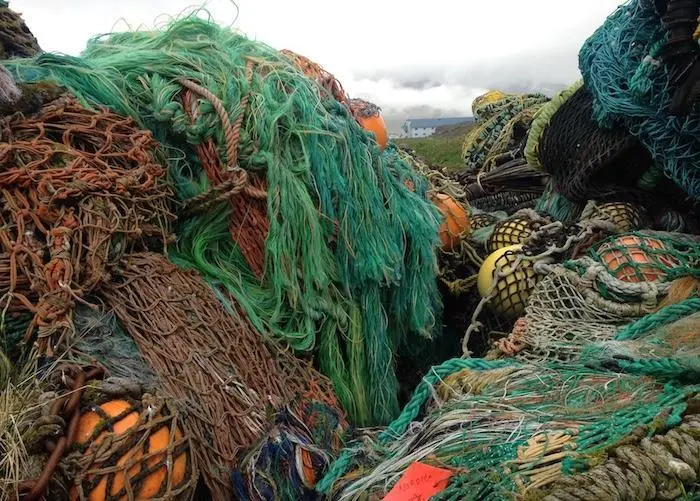
The charity founded the Global Ghost Gear Initiative (GCCI) in 2015, an alliance dedicated to tackling the problem of abandoned, lost or discarded fishing gear which blights the oceans and can persist for up to 600 years.
Ingrid Giskes, global head of sea change at World Animal Protection said that the industry is now taking its responsibilities more seriously. “The GGGI has welcomed around 40 new members in the last 12 months.
“The report clearly demonstrates that companies who join the GGGI perform better at addressing ghost gear in their supply chains as well as contributing to the delivery of the UN’s sustainable development goals.”
The new report ranks 25 leading seafood companies from ‘setting best practice’ to ‘not engaged’. As in the first report in 2018, no company achieved tier one status. However, three companies – Thai Union, TriMarine and Bolton Group – have entered tier two for the first time and are making best practice integral to their business strategy.
Lost gear is four times more likely to trap and kill marine animals that all other forms of marine debris combined and an estimated 5% to 30% of the decline in some fish stocks is attributed to ghost gear.
Despite good progress over the past year, the average company is still ranked only as tier four – engaged but with little evidence of implementation – and just two companies report on progress against targets measuring how ghost gear is tackled.
Related Articles
 FISHERIES
 FISHERIES
 WORLD FISHING EVENTS