





Small-scale fisheries data collection review
Data collection methods across Northeast Atlantic small-scale fisheries have been reviewed, shedding light on how new technology can make data gathering more efficient and collaborative.
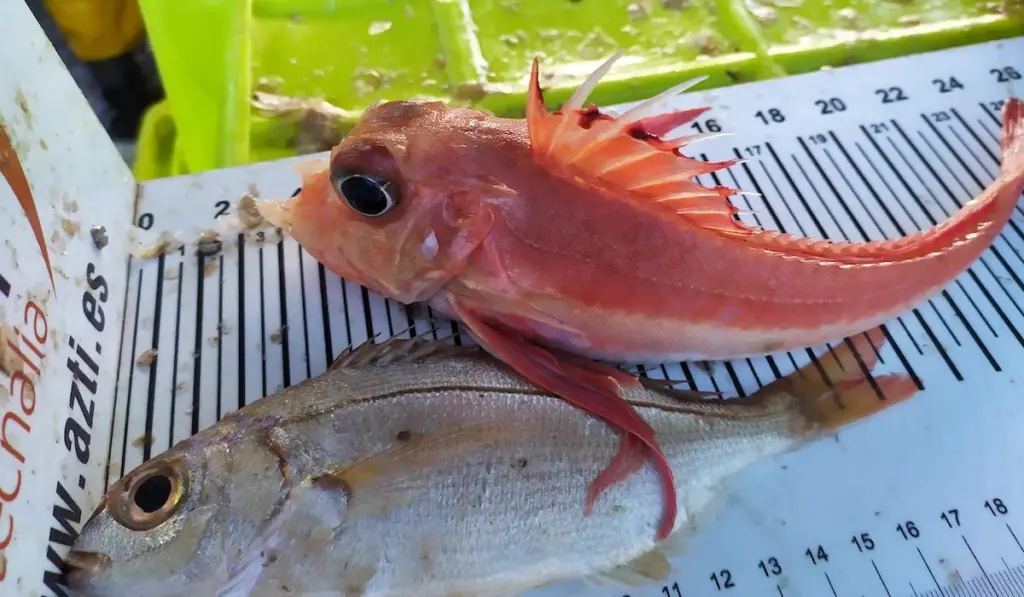
The review was conducted by scientists, managers and fishermen under the Conserving Atlantic Biodiversity by Supporting Innovative Small-scale Fisheries Co-management (CABFishMan) programme, an international research project funded by the Interreg Atlantic Area European Regional Development Fund aimed at improving the protection of the marine environment.
“In the past two decades a shift in fisheries management has been promoted, from a single-species approach to a more holistic ecosystem-based approach,” said Dr Arantza Murillas, principal researcher in sustainable fisheries management at AZTI Tecnalia and project coordinator of CABFishMan.
“However, moving towards it when managing multi-species, multi-gear SSF remains a challenging task due to the importance of improving data collection across the Northeast Atlantic,” she said.
The review looked at the various ways data is collected in small-scale fisheries, with an evaluation of the pros and cons of each, and recommendations for best practice. It draws upon case studies from countries further afield, and explores how technology such as self-sampling programs and advanced spatial mapping could be used for collaborative management of fisheries in the future.
The findings will be used to develop a web-based tool to help stakeholders identify the best way of collecting data in their fishery.
Related Articles
 PROCESSING & REFRIGERATION
 FISHERIES
 FISHERIES