



Crab, lobster death findings
A government-led investigation into the deaths of crabs and lobsters in the northeast of England between October and December 2021 has determined that the likely cause of the mortality event was a naturally occurring harmful algal bloom (HAB).
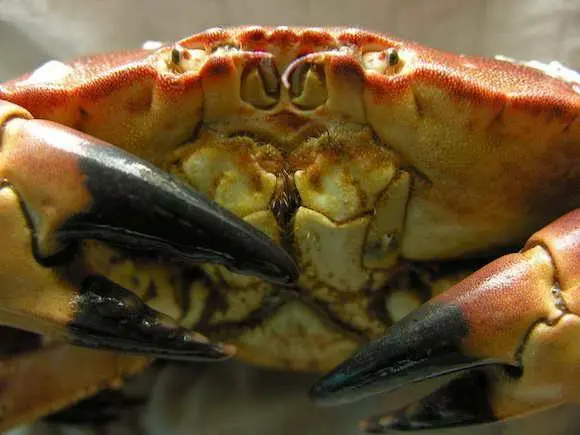
Evidence collected during the investigation conducted by the Department for Environment, Food & Rural Affairs (Defra) and several partner agencies, pointed away from potential causes such as chemical pollution, sewage or infectious aquatic animal diseases.
According to a statement issued by Defra, no traces of chemical contaminants have been found that could have caused an event of this scale, while follow up survey work carried out by the Environment Agency on 18 and 19 January 2022 showed live healthy crabs present in the area, albeit in reduced numbers.
Defra also said that a review of dredging activity and water samples found no evidence of a link between the disposal of dredged sediment and the deaths.
Additionally, sampling of sediment that has been licenced by the Marine Management Organisation (MMO) for disposal to the designated sites off the Tees confirmed that no chemical determinants exceeded concentrations (‘Action Levels’) that would be harmful to marine life. And a further review of dredging, disposal activity and water samples found no evidence of a link between the disposal of dredged sediment and the mass crustacean deaths.
While the chemical pyridine was initially identified in crab from impacted areas, further investigations by the Environment Agency (EA) established that pyridine was not present in water and surface sediment samples collected off the Tees, and that pyridine is found in crabs taken from non-impacted areas. As such, the presence of pyridine in crab is likely to be linked to biological processes.
Results from cyanide analysis were below the detection limit of the test.
Defra also advised that the joint investigation has not found any evidence of a food safety risk from healthy fish and crustacea, including crabs and lobsters caught off the northeast coast.
Evidence gathered will continue to be collated and studied by scientists, and while it is no longer an active investigation, agencies will continue to work with local fishers and will remain on standby to respond if further events occur.
Related Articles
 FISHERIES
 FISHERIES
 SEAFOOD