




Where are we in the search for new proteins for aquafeeds?
Scientific journal Reviews in Fisheries Science and Aquaculture has published a review led by IFFO Technical Director Dr Brett Glencross and a cohort of world renowned fish nutritionists. With a variety of new feed ingredients emerging in the aquaculture feed sector, the publication assesses the current state of play in the search for new protein sources.
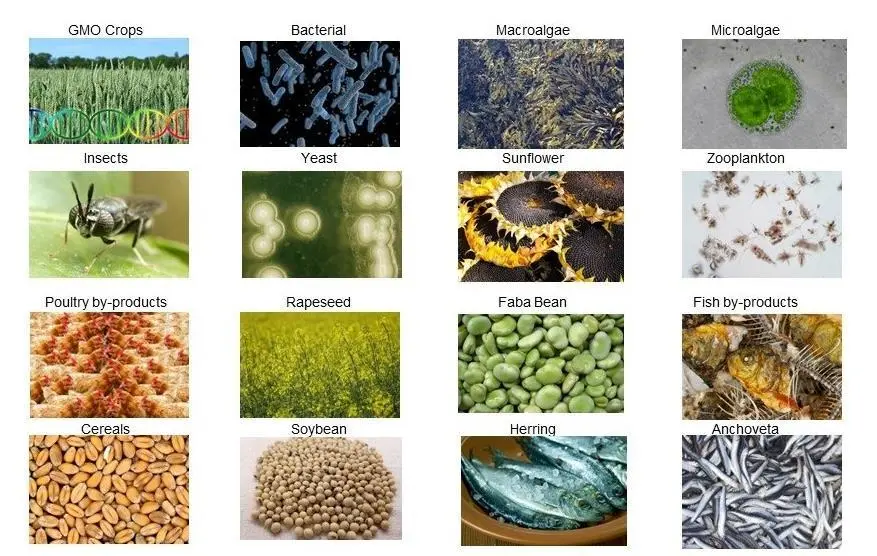
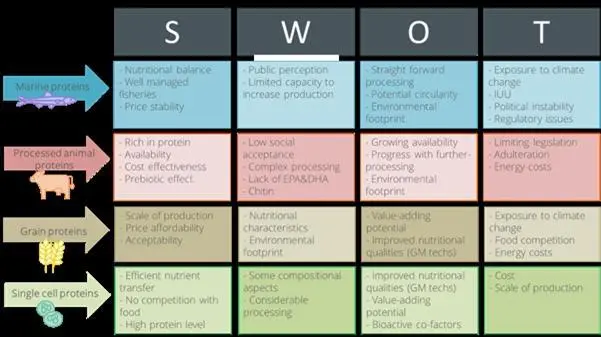
The review considers a large variety of protein sources used in aquafeeds: marine ingredients (produced from either forage fishery or by-products from both fishery and aquaculture resources), processed animal proteins (made from terrestrial animals produced for human consumption from which by-products are generated, and also insect and worm meals), single-cell protein resources (produced from bacterial, yeast, fungal, or microalgal origins), grain protein sources (making up the largest volume of all global aquafeeds) such as cereals, oilseeds, pulses, including those plant resources used either unmodified, or with varying degrees of processing.
“The assessment demonstrates that every ingredient has strengths and weaknesses. In many cases, the weaknesses of one ingredient can be matched with the strengths of other ingredients to identify opportunities for complementarity,” Glencross said.
For example, soybean has the scale and stability of supply and consistency of product quality but lacks palatability for many species. Fishmeal though is limited in supply but has excellent palatability characteristics. They both work well with each other in a highly complementary nature.
The review provided a series of options going forward to improve feed security:
- Improve management of existing resources to increase their productivity
- Ensure nothing is wasted
- Further develop non-competing resource production
An important observation from the review was that, “by better appreciating the positives and negatives of each ingredient, it becomes possible to increase our adaptability in responding to the various opportunities for their use in feeds and improve our sustainability of the sector moving forward,” Glencross said.
It determined that overall, while technical progress in working with an increasing range of ingredients is making clear headway, the scale-up of new resources to delivering meaningful volumes still needs work.
Related Articles
 AQUACULTURE
 AQUACULTURE
 FISHERIES