




Chinese impact on wild fisheries
Scotland’s University of Stirling has contributed to a major international research project to investigate the dangerous pressure China’s aquaculture industry is putting on world fish supplies.
In a new paper published in the journal Science, the researchers try to paint a clearer picture of the enormous impact China is having on wild fisheries and present a more sustainable alternative to the current practice of using wild-caught fish to feed farm-raised fish.
One of the researchers, Wenbo Zhang, conducted the research whilst completing his PhD at the University’s internationally renowned Institute of Aquaculture. He said: “Our research shows that so significant is China’s impact on the world’s seafood supply chain – the future availability of global seafood will be dependent on how China develops its aquaculture and aqua feeds sector.”
China is the world’s leading producer, consumer and processor of fish, contributing one-third of the global supply. The paper points out though that its aquaculture industry relies increasingly on fishmeal made from wild-caught fish, a practice which depletes wild fish stocks and strains fragile ocean ecosystems.
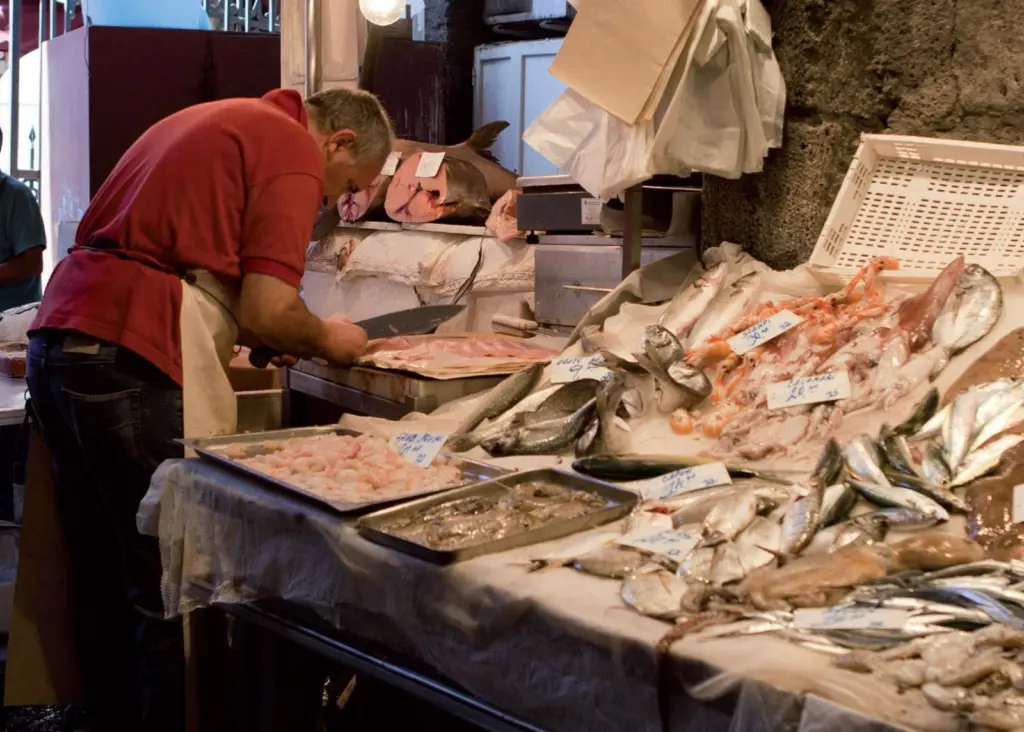
Fishing in the coastal waters of China is poorly-regulated, resulting in large volumes of assorted “trash fish” – species that are undesirable for human consumption, ending up in animal feeds, including in fishmeal that is fed to farm-raised fish. This is because many of the species of wild fish previously used for feeds have been overexploited.
The researchers said that one promising solution is to recycle the waste by-products from seafood processing plants across China. This waste, which can be 30-70% of the incoming volume of fish, is often discarded or discharged into nearby waters. Their analysis showed that these processing wastes could satisfy between half and two-thirds of the current volume of fishmeal used by Chinese fish farmers, replacing much of the wild fish currently used in feeds.
Related Articles
 FISHERIES
 FISHERIES
 FISHERIES