






Chilean blue whale conservation
The WWF says that the approval by the government of Chile of the largest Marine Protected Area (MPA) in continental Chile is a boost to conservation efforts for blue whales and dolphins.
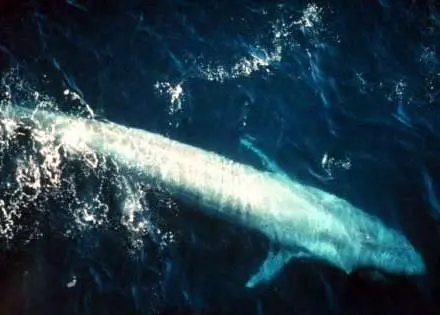
Chile’s new Tic-Toc MPA on its southern coast announced this week follows almost 15 years of work by a number of organisations, including WWF, to protect the waters against threats such as overfishing and aquaculture activities.
Dr Francisco Viddi, Marine Conservation Program coordinator, WWF Chile, said: “Tic-Toc will finally be protected; its rich waters, innumerable species and fragile ecosystem will be conserved and the blue whales will continue to have a home here every summer.”
With an area of around 90,000 ha (equal to the urban area of Chile´s capital), Tic-Toc has been established in one of the most biodiverse areas of Chilean coast.
The new MPA is an important feeding and nursing ground for the blue whale, the world’s largest mammal, but it’s also home to the Chilean dolphin and Peale’s dolphin, as well as two endangered species of otter.
This initiative, originally promoted by the Melimoyu Foundatio, was moved forward by the efforts of WWF-Chile, the Blue Whale Centre, and the Austral University of Chile.
WWF-Chile worked in the area for almost a decade carrying out research on key marine species and has a number of ongoing projects including blue whale satellite tracking, dolphin habitat monitoring, promoting better practices in salmon farming and promoting sustainable ecotourism.
Along with Tic-Toc, the Chilean government also approved the designation of a Marine Coastal Protected Area further south in Aysén.
Related Articles
 FISHERIES
 FISHERIES
 WORLD FISHING EVENTS