




Report: $55bn needed to avoid seafood shortage
Fifty-five billion dollars must be invested in regenerative aquaculture and technological progress by 2050 if a 20% shortfall between the global seafood demand and supply is to be avoided, according to a new report from financial think tank Planet Tracker.
The report “Avoiding Aquafailure: Aquaculture diversification and regeneration are needed to feed the world” states that even in the most optimistic scenario of improving current aquaculture practices, a supply gap would still exist and that change is critical.
By 2050, the global demand for seafood is expected to reach 267 million tonnes, but production levels are forecast to reach only 217 million tonnes, resulting in a supply gap of 50 million tonnes, the non-profit said. It added that this gap is expected to worsen due to the loss of biodiversity from over-concentrated fishing as the top 10 seafood-producing countries generate 89% of the world’s seafood, while also directing over 75% of fishing activity towards only three species.
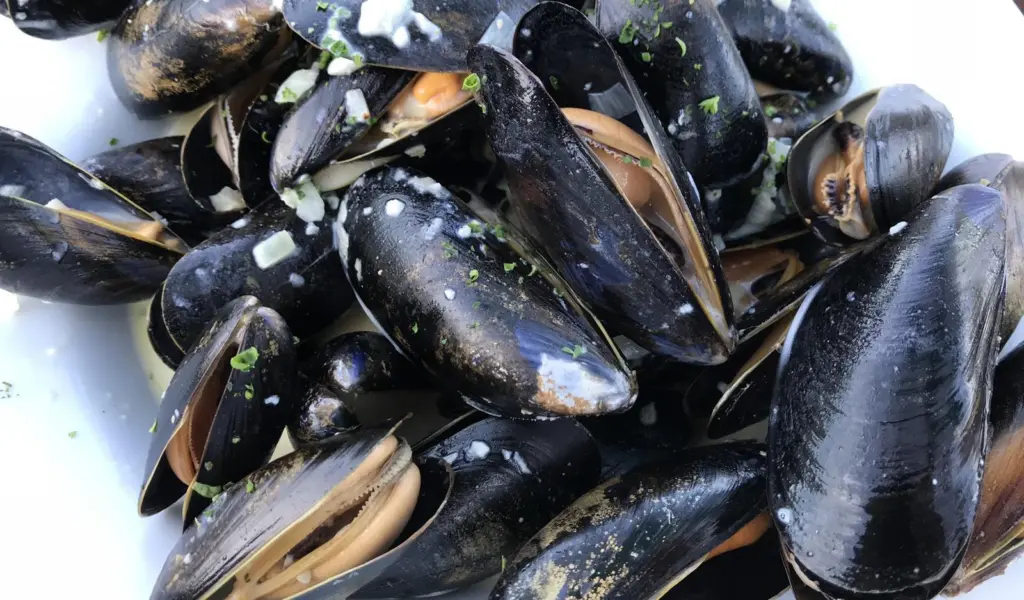
Determining that technological solutions such as farming seafood offshore, on land or growing fish in labs could contribute up to 5 million additional tonnes of seafood by 2050, Planet Tracker said that also implementing a diversified seafood production model through the increased use of cultivated seafood, the introduction of bivalves such as mussels and oysters as well as seaweed, and the transition to a regenerative aquaculture system, global seafood production could be increased by 45 million tonnes.
“On land, the conversion of natural habitat into monoculture is widely recognised as a key driver of biodiversity loss, but less acknowledged are the similar patterns affecting marine life due to monoculture fish farming. Unsustainable seafood production will not feed the world by 2050, but the good news is that an aquaculture industry that is resilient, productive and environmentally sustainable can be built,” Planet Tracker’s Head of Oceans Programme François Mosnier said.
“Planet Tracker found it will take at least USD 55 billion in capital expenditure to finance this transition, which most aquaculture companies cannot afford. That’s why we’re calling on investors and lenders to assist with diversifying the aquaculture industry and closing the supply gap.”
The report calls on investors and lenders to finance regenerative transition by:
- Being aware of the increasing risks to production in a business-as-usual scenario due to concentration, coastal conflict, production at intensities above sustainable limits and upcoming regulatory pressures
- Demanding better disclosure, transparency and traceability procedures from companies to assist in better quantification and mitigation of these risks
- Supporting the mitigation of these risks through diversification of species and geographic distribution, especially if the species involved allow ecosystem restoration and provided that expansion in new areas does not increase the company’s impact on biodiversity investments
- Supporting the mitigation of these risks through technology which enables offshore, RAS and cultivated seafood, but only if it is environmentally sound to do so
- Supporting regenerative aquaculture investments, for instance by offering cheaper capital for sustainable expansion, including via sustainability-linked bonds
Related Articles
 SEAFOOD
 AQUACULTURE
 SEAFOOD