


New survey finds artisanal fisher failings in Eastern African
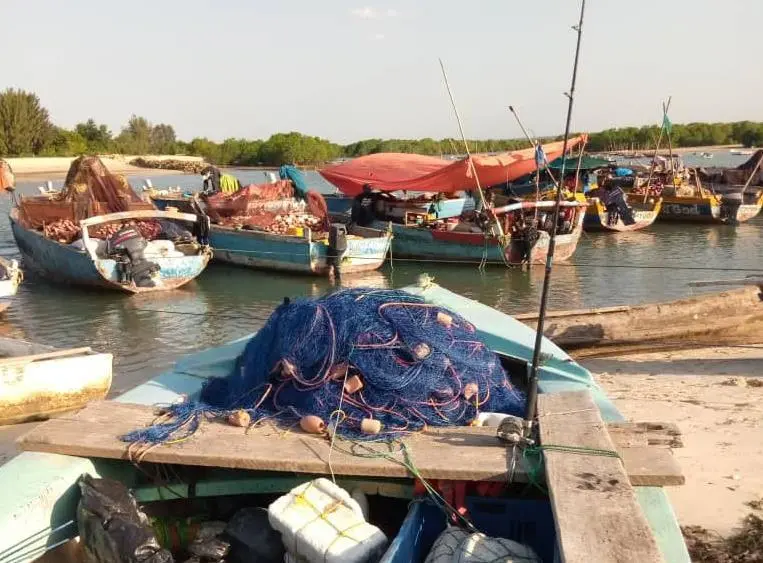
Increased management and law enforcement interventions are needed to ensure East African fisheries and the subsequent trade in their marine resources are legal and sustainable, according to Traffic, with its new report finding that the wide variety of species and the high proportion of smaller-sized fish landed and sold at sites across Kenya, Tanzania and Zanzibar are cause for concern.
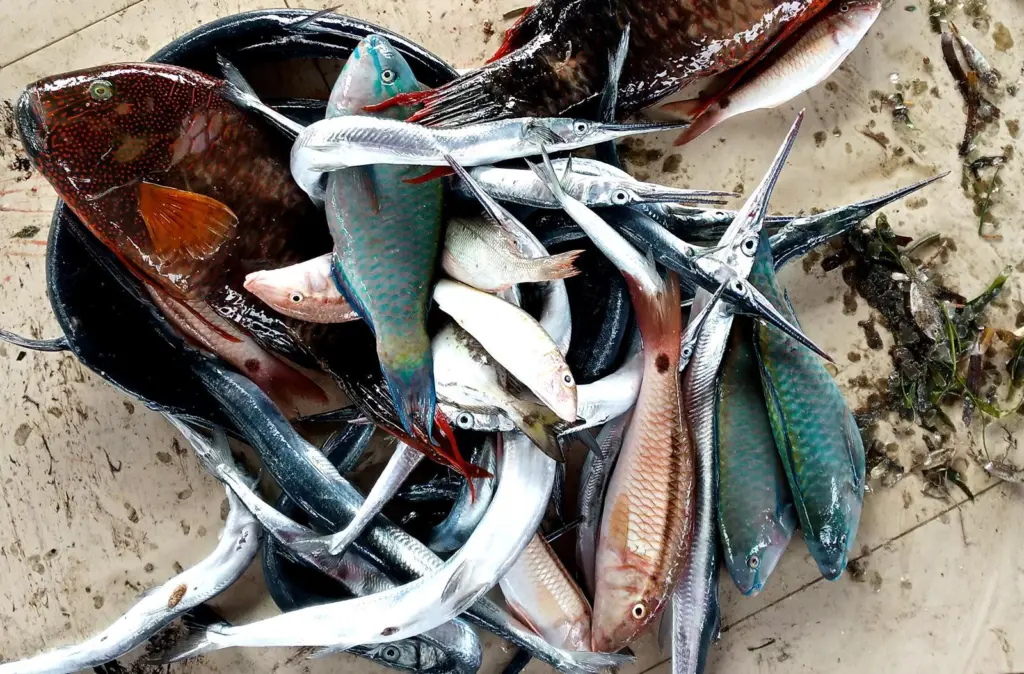
Traffic’s report, “Assessment of Marine Species Traded at East African Artisanal Fish Landing Sites”, followed a seven-month photographic survey in which the NGO observed around 70,000 individual marine creatures being openly caught and sold in the region. It explains that while the shores and reefs of Eastern Africa are home to a diverse array of marine species that provide food security and income for many coastal communities, the irreplaceable ecological and economic value of these fisheries could be wiped out if current unsustainable harvesting methods and the lack of enforcement continue.
The report also advises that many of these species are prohibited from harvest by local fisheries legislation and are recognised as threatened with extinction by the International Union for the Conservation of Nature (IUCN), and have been placed under international trade controls by the Convention on International Trade in Endangered Species of Wild Fauna and Flora (CITES), in response to trade threats to their persistence in the wild.
During the survey period – May to November 2021 –37 of the report’s 489 identified species were classified as “threatened” and “near threatened” on the IUCN Red List of Threatened Species and CITES1-listed species. It’s highlighted that the species caught include reef fish such as the endangered humphead wrasse (Cheilinus undulatus) which can grow up to almost two metres long, alongside comparatively tiny species like the vulnerable spotted seahorse (Hippocampus kuda). It also states that 63% of the landings were less than 30cm.
“The wide variety of species and the high proportion of smaller-sized fish raise concerns, suggesting the use of indiscriminate harvesting gear to maximise catch, which places reef ecosystems and threatened species at risk,” said Oliver Wright, Project Support Officer and lead author of the report.
“This could pose long-term adverse economic consequences for local communities and ecological risks as it reduces the fish available for reproduction and, in turn, fish populations for future generations.”
Surveys also found cases of CITES-listed species, such as bottlenose wedgefish (Rhynchobatus Australiae) and bowmouth guitarfish (Rhina ancylostoma) that are deemed “critically endangered”, locally-protected and at high-risk of extinction due to their slow reproduction and unsustainable exploitation of their highly sought-after fins and meat.
Traffic said the demand for their white fins and products of other ray and shark species once again revealed the threats faced by sharks and rays, whose global abundance has declined by 71% since 1970.
Indiscriminate catching
The report states that data for small-scale fisheries in East Africa have historically tended to be incomplete and underestimated actual catches, which has led to increased risk of authorities over licensing fishing access and compromising marine ecosystems and food security.
It also identifies that the fishing gears commonly used by East Africa’s artisanal fishers span basket traps or “madema”, fence traps, handlines, longlines, spearguns, harpoons, gillnets (stationary, drifting, and monofilament), ring nets, seine nets, cast nets, scoop nets and mosquito nets and that these are generally indiscriminate in terms of the sizes and species of fish caught and potentially damaging to marine ecosystems.
Traffic is calling for East African governments to address the differences in fishing laws between neighbouring countries that may lead to illegal transboundary fishing, loopholes and a lack of consistent enforcement. It said it’s vital there are clear and consistent transboundary rules on extremely destructive or indiscriminate fishing gear and methods, from the net mesh sizes and types of traps to the prohibition of explosives and electrocution.
The report specifies that Zanzibar should work towards consolidating the 2003 Fisheries Act, the 2009 Fisheries Regulations, and the Zanzibar Fisheries Act of 2010 into a single, consistent and overarching set of regulations governing fishing gears, methods, and protected species on Zanzibar and the mainland. It also recommends Tanzania and Kenya should review and update locally protected marine species listed in the Tanzania Fisheries Act and the Kenya Wildlife Conservation and Management Act, and species protections aligned with international conventions such as CITES and the IUCN Red List.
Capacity building, cross-country communications, and local fisheries law enforcement training on catch regulation and marine species identification are also advocated.
Growing awareness
Fisheries officials should be aware of and understand the restrictions on fishing gear and methods in their respective regions, particularly minimum mesh sizes for nets and fish traps, states the report. Additionally, it advises that long-term monitoring programmes need to be implemented by the relevant fisheries authorities at all artisanal fishery landing sites in Kenya, Tanzania and Zanzibar, to ensure the collection of data on artisanal fisheries to inform decision-makers on trade dynamics, management effectiveness, and compliance efforts going forward.
Traffic also maintains that awareness-raising initiatives for artisanal fishing communities will help them understand the importance of sustainable practices and fisheries management and marine species identification and reinforce local restrictions on catch and trade.
“Fishers may be better motivated to implement sustainable fishing practices if they are made aware of and understand the negative impacts on their livelihoods that may result from unsustainable fishing practices. Awareness initiatives implemented by Kenyan and Tanzanian fisheries authorities should therefore aim to foster better understanding among fishers of the long-term livelihood impacts unsustainable marine harvest,” states the report.
“By implementing the recommendations in this report, governments can better protect the keystone marine species that are important to the region’s ecosystems and communities while also ensuring long-term economic and environmental sustainability,” said Camilla Floros, ReTTA (Reducing Trade Threats to Africa’s Wild Species and Ecosystems) Project Leader and report co-author.
Traffic’s survey recorded an estimated 70,755 individual marine organisms from 7,372 images, with the identification of 489 marine species belonging to 114 families. This comprised 11 families and 26 species of shark and ray, 79 families and 396 species of marine fish, four families and 12 species of crustacean, three families of cephalopod with one representative species each, 18 species of sea cucumber from two families, and 12 families and 14 species of mollusc.
The top 10 families in terms of species diversity accounted for 218 (45%) of the total recorded species. The highest diversity was recorded for the family Labridae (wrasses) with 42 species, followed by Serranidae (groupers) with 30 species, and Carangidae (trevallies, scads and queenfish) with 27 species. Zanzibar accounted for 56% of the recorded landings of CITES-listed species and 17% of the recorded landings of threatened species.
According to the FAO, globally, small-scale marine fisheries land an estimated 25 million tonnes of fish per year, contributing approximately 31% to total marine capture fisheries production.