


The Norwegian Reference Fleet
It is very important that the research scientists who give advice on fisheries management issues have sound knowledge about the different fisheries; how and where the fleets operate during the season, and what and how they fish.
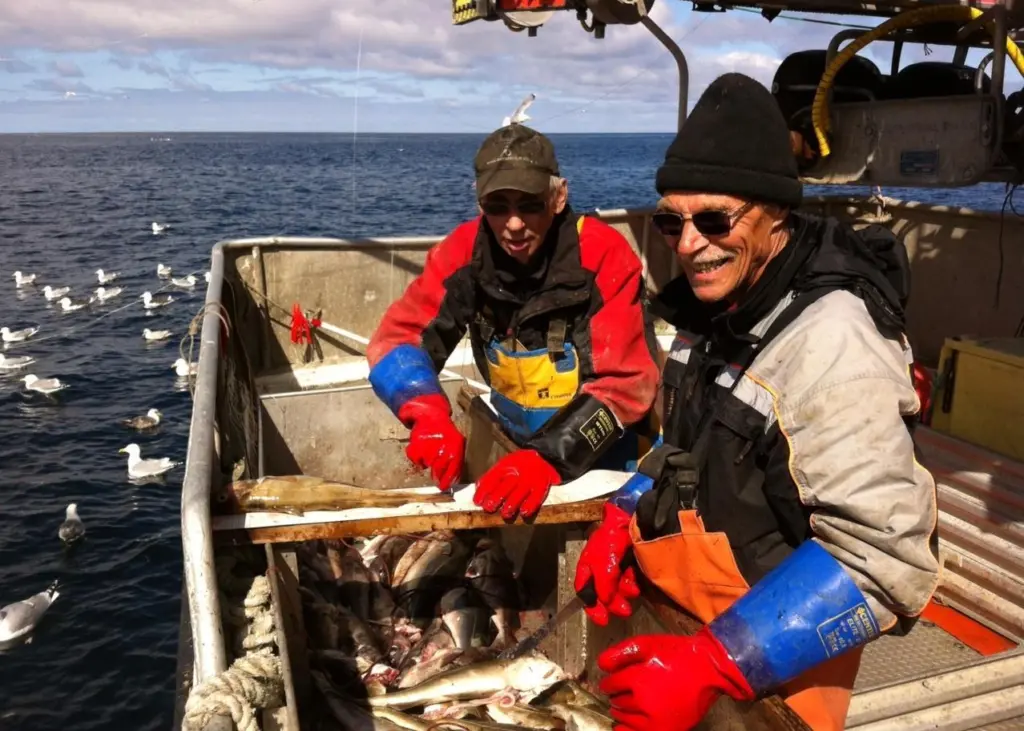
It is especially important to know how each age group is harvested, as this is basic and necessary input data for many of the assessment models currently used to estimate fish stock sizes.
Norway’s Institute of Marine Research (IMR) has always had a close and good cooperation with fishermen and the fishing industry. These contact and information flows have traditionally occurred by institute personnel collecting scientific samples onboard fishing vessels or at ports, and onboard commercial fishing vessels chartered for conducting scientific research surveys. The Norwegian Reference Fleet aims to improve data collection and information flows both from and to the fishermen.
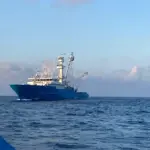
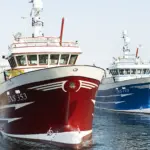
The fleet was first established in 2000/2001, after experts from the fishing industry, research and government evaluated the poor performance of management strategies in the 1990’s and concluded there was a need for a better range of fishery dependent data to fill the holes in existing assessment input data. In particular it was pointed out the need for better data from the larger demersal fishing vessels which processed their catches at sea, making it impossible to carry out sampling when the catches are landed. The fleet began with six high-seas fishing vessels (>30m) and was gradually expanded to including approximately 15 high-seas vessels categorised by different gear types and 20 coastal vessels (<15m) using mainly gillnets.
The fishermen are trained to use the same scientific procedures for sampling as the institute uses on its own vessels, and provide high resolution data on total catches – including discards – as well as biological samples as required.
Data
The data are collected and delivered to the IMR according to a contract that secures a proper statistical coverage for a defined number of species in time and by area. Each vessel in the high seas Reference Fleet is equipped with an electronic fish sampling board, tools for sampling otoliths (ear stones for age determination), with specialised software for satellite communication, and other equipment for various research purposes. Most of the smaller vessels in the coastal Reference Fleet have only been equipped with conventional fish-length measuring boards, scales and computers. IMR personnel instruct the responsible contact persons on each vessel, provide training and support, visit the vessels, and update the scientific equipment when necessary.
The agreement between IMR and the Reference Fleet includes an obligation for the vessels to record their catch logbooks electronically. The trawlers, Danish- and purse-seiners are required to make a complete record of each catch, while longliners and gillnetters do so for one representative section per day and in addition for the whole day catch. The coastal fleet is required to make a complete record of the entire day catch.
The Reference Fleet has proved a viable alternative for Norway to the more conventional method of using observers for collecting fisheries dependent data. Self-sampling relies on a high degree of trust and cooperation between fishermen and scientists. This can be a great challenge, but Norway’s experience with the Reference Fleet exemplifies that this is achievable. The vessels in the fleet take their task very seriously and the catch data they deliver to IMR demonstrates this very well. As well as biological sampling of the catch (length, weights, otoliths and maturity determination), the fishermen also report total catches and discards including non-commercial species, seabirds and sea mammals. This kind of bycatch data is vital for meeting modern fisheries management objectives, but can be challenging to obtain by any means, as there often underlies an incentive for fishermen to not disclose their total catch.
Observer programs often experience a bias in their data caused by fishermen altering their fishing behaviour when observers are onboard in order to avoid high bycatches that are otherwise normal for the fishery. “In the Reference Fleet we try to avoid this problem by promoting a better understanding with the fishermen of the underlying issues and the need for data that is representative for the whole fishery,” says Tom Williams, Reference Fleet project manager, IMR.
Cost effective
“The Reference Fleet has proved to be a very cost effective method for collecting vital data and information on Norwegian fisheries for scientists. Reference Fleet data has contributed to reducing uncertainty in stock assessments and thereby improving scientific advice. The data has also been useful for better understanding and determining the effects of regulations, which again may lead to more practical and purposeful regulations.
“The Reference Fleet has helped improve our understanding of the oceans, by providing continuous information and specimens for species that are rarely covered by the research vessels. This has led to discovery of species that were previously unknown to inhabit Norwegian waters”, said Mr Williams.
Mr Williams says that IMR’s plans for the program are to increase the number of vessels in the fleet in order to improve spacial and temporal coverage, and ensure there is sufficient data to satisfy the requirements for stock assessment.
In cooperation with the Reference fleet, IMR is also looking at new and innovative ways to use new technologies for data collection that will reduce the workload for fishermen and improve data quality.
“For other coastal nations, a reference fleet can be a viable and cost effective alternative to using observers. Involving fishermen in collecting fisheries data can also reduce controversies and foster a ‘joint ownership’ spirit for the data and the results”, said Mr Williams.
Related Articles
 FISHERIES
 FISHERIES
 WORLD FISHING EVENTS