


Ten years of eel restocking in France
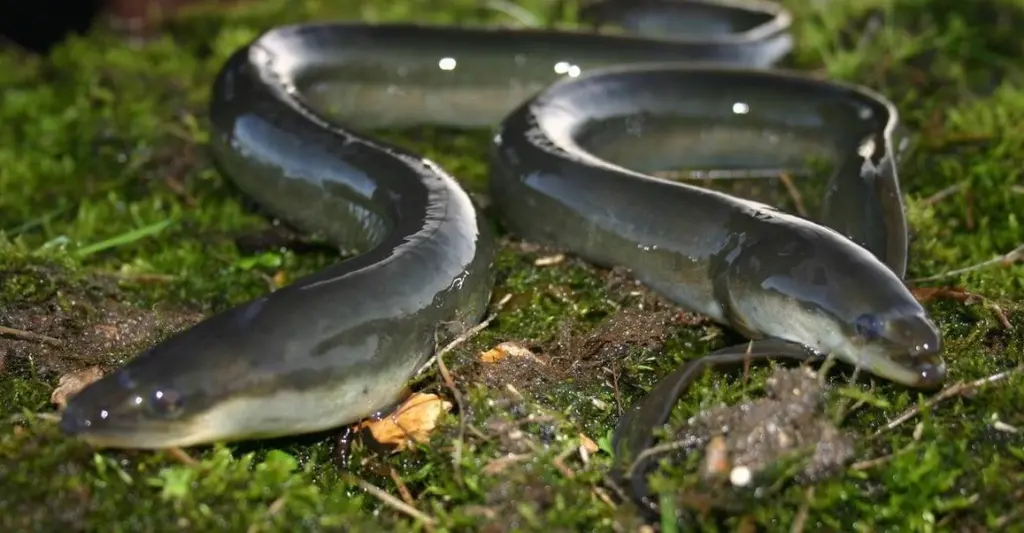
Considering the clear decline of Europe’s eel population, in 2007 the Council of the European Union adopted a regulation establishing measures for stock recovery with the requirement for each member state to submit a management plan to safeguard the species.
Measures applied in France since 2011 include a reduction in fishing effort, restoration of the ecological continuity of eel environments, water quality in rivers, restoration of habitats and restocking activities.
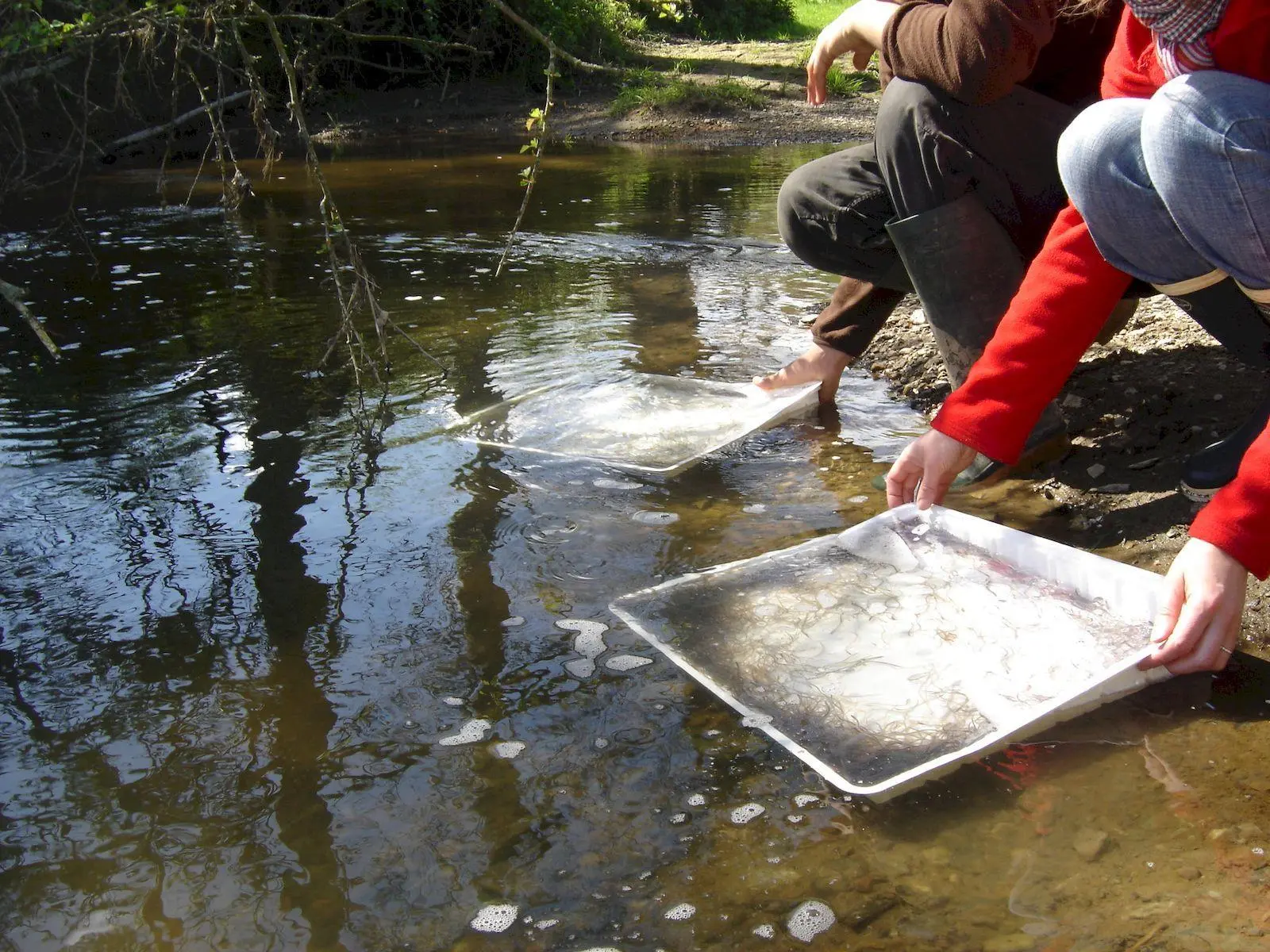
Restocking is a transfer of glass eels from estuarine areas to the most favourable habitats, upstream of rivers. This avoids and compensates for mortality linked to obstructions in the passage of eels between seas and rivers, such as dams and polluted urban areas, which can hinder migrations.
By releasing glass eels in environments selected for good conditions and where eels have a scarce natural presence, restocking should provide a greater benefit than natural colonisation. The objective is to contribute to increasing the number of healthy spawners returning to the sea and thus accelerating the recovery of the stock.
Fisher support
Eel restocking, which has been practiced for decades in northern European countries, is accompanied by rigorous scientific monitoring in France, based on a protocol defined by the National Museum of Natural History (MNHN) and the Office Française de la Biodiversité (OFB), under the co-ordination of the Association for the Restocking of Eels in France (ARA France) and financed by the State and commercial fishing bodies.
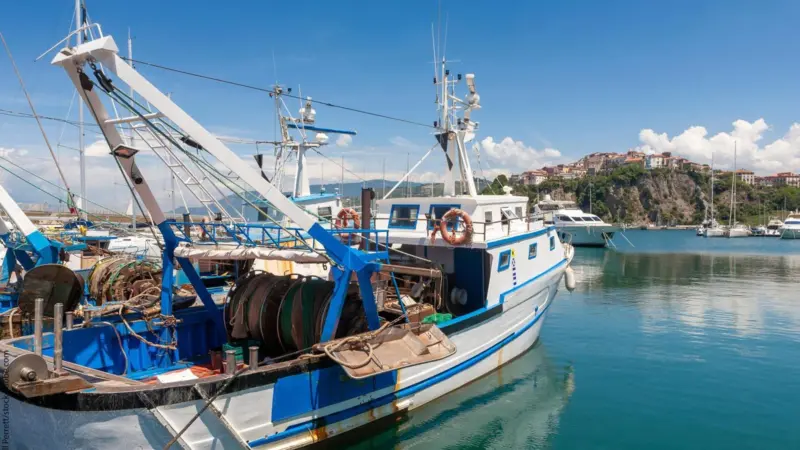
According to ARA France, professional fishermen have a historical role in the implementation of this programme and are constantly providing substantial improvement work, in partnership with all stakeholders, in order to improve the quality of eels.
Some 60% of glass eel catches in France are reserved for restocking programmes in Europe, and 5-10% of total catches are earmarked for the French restocking programme. Between 2011 and 2021, 70 operations were carried out on the French Atlantic coast, totalling 28 tonnes of glass eels or 88 million individuals.
Overcoming barriers
For the 10 years of the restocking programme in France, an analysis of the data, financed by ARA France, has been conducted by the MNHN and Fish-pass. This is based on data acquired during monitoring of eel populations carried out according to the protocol defined by the OFB and the MNHN. The data has been analysed to estimate the proportion of eels from restocking and eel growth.
This study demonstrates new lessons on the effectiveness of the European eel restocking efforts in France.
“Restocking programmes are an effective measure to introduce eels into sections of rivers where they are no longer present – which also indicates that the upstream areas are no longer naturally supplied by recruitment, in particular due to the number of barriers to migration. The measured growth rates increase with distance from the sea, especially in large rivers, which suggests the benefit of selecting sections upstream of certain rivers,” a representative of ARA France commented.
“We need more studies in order to demonstrate more precisely the impact of this programme on the eel stock, although initial analyses are mentioned in the report. It indicates that the French restocking programme produces a substantial gain in silver eel production, in comparison of a scenario without restocking taking place. For example, stocked silver eels were found during their migration in the Loire in 2018 and studies in progress indicate that these stocked silver eels could contribute to 5-10% of the flow of eels migrating to breed.”