


Report: Tuna vessels using forced labour hiding behind eco-label
Sustainable seafood eco-labelling scheme Marine Stewardship Council (MSC) is failing to identify forced labour violations in the fisheries it certifies despite claims to the contrary, claims new research published in Ocean Sustainability.
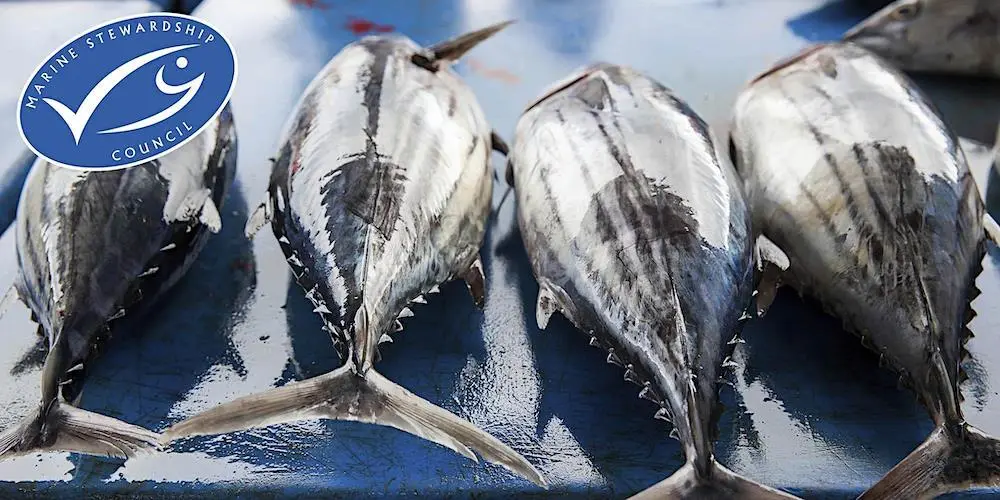
“In a matter of minutes, I was able to find multiple cases of forced labour on vessels that are part of MSC-certified fisheries by comparing data from the vessel registries of all tuna Regional Fisheries Management Organisations against highly publicised lists of implicated vessels,” said report author Katrina Nakamura PhD. “If it was this easy for me to find this information, it’s hard to believe MSC could be unaware of this problem.”
It has been estimated that 128,000 fishers are trapped in forced labour aboard fishing vessels by businesses recruiting fishers for very low wages to work intensely in hazardous and remote conditions who then experience untended injuries, illness, unpaid or withheld wages, psychological or physical abuse.
In compiling the “Is tuna ecolabeling causing fishers more harm than good?” report, Nakamura analysed data from 3,313 tuna vessels listed on MSC’s website and found that 74% of MSC’s certified sustainable tuna was untraceable to vessel owners or fishing employers.
Ocean conservation organisation Oceana noted the MSC Standards rely on self-reported information by trade associations, manufacturers and distributors rather than the vessel owners or employers, and that the MSC does not screen vessels or companies against publicised lists of labour abuses.
These standards leave room for vessels associated with crimes such as human trafficking and forced labour to benefit and profit from the MSC eco-label, it said.
According to Oceana, this loophole is especially problematic in relation to tuna fishing on the high seas, which is notorious for being one of the world’s most remote and dangerous jobs due to the limited visibility of onboard activities and difficulty in enforcing regulations at sea. Plus, it said, the MSC allows certificate-holders to deny labour violations without providing any details of proof or prevention at the individual vessel level.
“Responsible shoppers around the world choose MSC-certified tuna, believing that the logo means their seafood meal was sustainably and responsibly caught,” Oceana’s Senior Director of Global Policy Philip Chou said. “No one should have to stomach a side of forced labour with their spicy tuna roll. MSC certification could drive real change to stop forced labour in the seafood industry. Unfortunately, it has failed to identify these egregious crimes and continues to profit off bad actors.”
Oceana said the MSC has recognised concerns about forced labour and human rights abuses occurring in tandem with illegal, unreported, and unregulated fishing in the tuna supply chain but tells consumers that “the best way for tuna buyers to significantly reduce exposure to the above risks is to choose MSC certified tuna”.
“This is clearly bad advice considering MSC clients include a company associated with a US tuna ban for forced labour whose self-declaration states ‘no evidence of forced labour’,” Nakamura said. “The MSC should have a far more effective barrier for protecting vulnerable workers. They evidently choose not to do so. A more robust barrier would exclude all companies with any association to fisheries crime and include a firm rule that vessel owners be identified and screened against highly publicised lists of implicated vessels such as the Notice of Sanctions Actions published on the Federal Register of the United States.”
To help mitigate labour violations at sea, Oceana is calling on world governments to apply the Global Charter for Fisheries Transparency. The charter pinpoints the most essential policy priorities needed to combat fisheries mismanagement, illegal fishing, and human rights abuses at sea, including collecting data on the conditions of fishing vessel crews and publishing it while keeping personally identifiable information private.
In the United States, Oceana is campaigning for immediate action to address illegal fishing, seafood fraud, and human rights abuses in the US seafood supply chain. This includes expanding the Seafood Import Monitoring Programme (SIMP) to cover all seafood (only 45% of imported seafood is currently covered) and all production standards, including forced labour.