


Indonesian fishers to benefit from eco ice-makers
A new project is under way to provide solar-powered ice-making machines to remote fishing communities in east Indonesia to help safeguard the quality of yellowfin tuna.
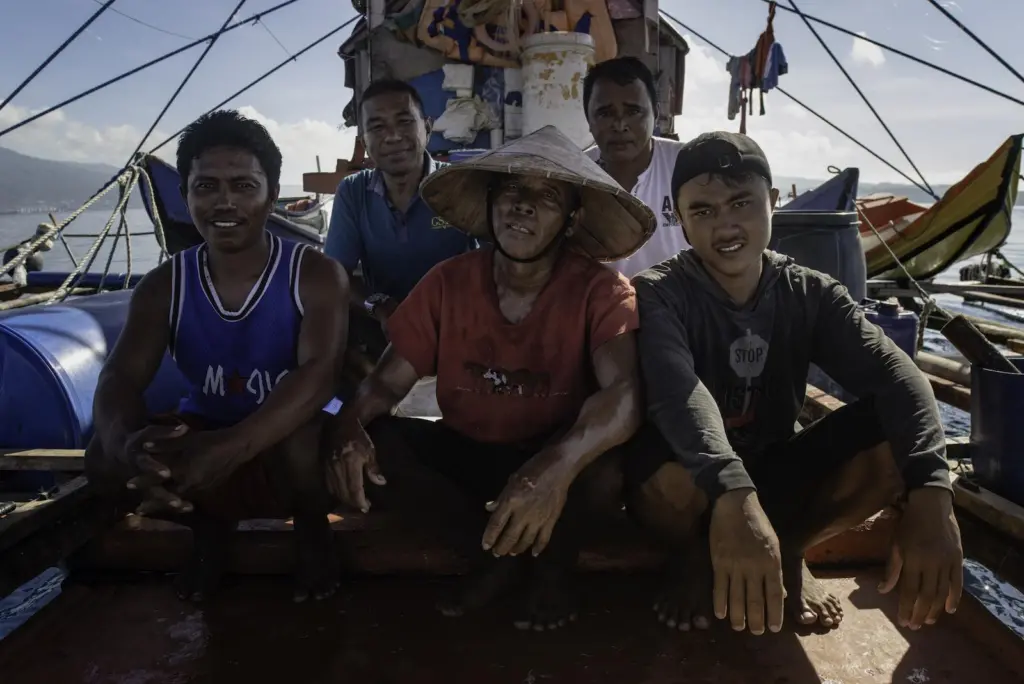
The initiative, run by the International Pole and Line Foundation’s (IPNLF) local branch, Yayasan IPNLF Indonesia, and the Deutsche Gesellschaft für Internationale Zusammenarbeit (GIZ Indonesia), also aims to upskill fishers to improve handling and business practices as well as implement cold chain protocols.
Indonesia is the largest producer of tuna in the world, exporting around a million tonnes per year, but a lack of infrastructure, inefficient supply chains and poor harvesting practices can mean the fish quality is compromised.
“Yayasan IPNLF Indonesia are really proud to be able to facilitate the installation of the latest eco-friendly technology in the village community of Kawa, West Seram,” said Shannon Hardisty, IPNLF strategy lead, Indonesia.
“We are looking forward to the successful installation of the solar ice maker and the resulting benefits expected for the small-scale tuna fishermen in Kawa village,” she added.
Entirely off-grid
The solar ice maker is a new technology which can produce an industrial standard of ice through an entirely off-grid system. The ice makers rely on thermal energy storage instead of batteries therefore removing the need for battery replacement – one of the biggest costs currently associated with solar ice machines.
This project was selected by UNDP’s Ocean Innovation Challenge from a field of 300 proposals to promote sustainable fisheries and the blue economy and will receive financial support for 18 months.
“We are happy to cooperate with IPNLF under the UNDP Ocean Innovation Challenge to decarbonise fishery supply chains step by step matching green-tech innovation with sustainable fisheries and income generation in Indonesia’s coastal areas,” said Frank Stegmueller of GIZ.