




FAO applauds G20 focus on fisheries and aquaculture
The Food and Agriculture Organization (FAO) has praised the inclusion of fisheries, aquaculture, and family farming in the G20’s 2023 priorities, emphasising their role in global nutrition and livelihoods.
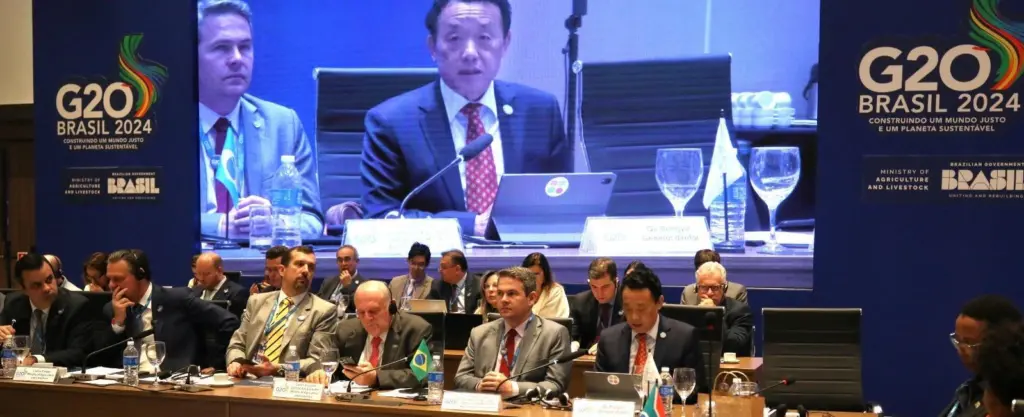
At the G20 Agriculture Ministers’ Meeting in Brazil, FAO Director-General Qu Dongyu highlighted the need for sustainable growth in fisheries and aquaculture to meet rising food demands and combat nutritional deficiencies, particularly in developing countries.
“The FAO Blue Transformation strategy aims to ensure aquatic food systems continue feeding the world’s growing population,” he said.
The G20 endorsed FAO’s Blue Transformation Roadmap 2022-2030, which aims to promote sustainable, resilient, and inclusive aquatic food systems, addressing overfishing, environmental degradation and climate impacts.
Aquatic foods currently support 600 million livelihoods and provide critical protein and nutrients to over 3.3 billion people. Qu stressed the importance of the Agreement on Port State Measures to combat illegal fishing, encouraging G20 cooperation to enhance global enforcement.
Qu also underscored the vital role of family farming in global food security, noting that family farms constitute over 90% of farms worldwide.
He reaffirmed FAO’s commitment to supporting family farmers through policy development and innovation, and praised G20 initiatives like the Global Alliance Against Hunger and Poverty in the fight for a food-secure future.
Related Articles
 AQUACULTURE
 FISHERIES
 SEAFOOD