“There are simply a lot less players in the market than before and the survivors have tended to get bigger,” he says. “I do believe it’s a good thing as more professional management has allowed for the survivors to better manage the industry.
“With more professional international management the focus on panga [the name by which pangasius is becoming increasingly known] is slowly shifting towards value-added products, although the idea to concentrate on value-added [products] is in its infancy.
“In the past the EU drove the market for value-added [products] by default as most buyers [there] required a very specific size of fillet – typically 120-220g – which they would pay a premium for, or at least a good market price.” The ‘off sizes’ were sold in other markets usually at lower prices, he added.
“In order to try to maximise selling prices some companies tried their hand at some preliminary value-added products. Now, as more big players emerge with international management teams, or international JV’s, more focus is on creating value-added products.”
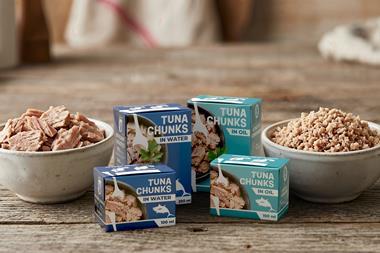
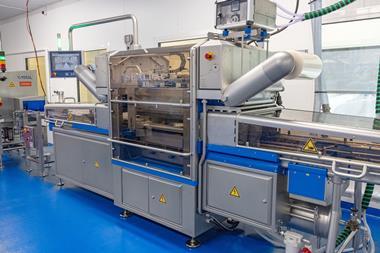
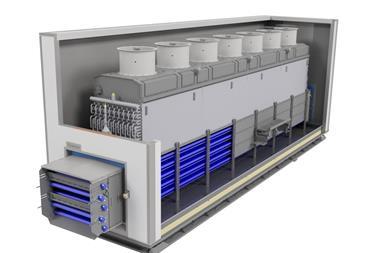
Godaco, which harvests more than 120 tonnes of pangasius per day – this amount is scheduled to increase substantially – is building a fully integrated value-added factory which is scheduled to become operational late this year. “Once our fully integrated value-added factory comes online we will able to produce grilled, smoked, and many different types of fully or par fried products, as well as sushi products,” Mr Sato says.
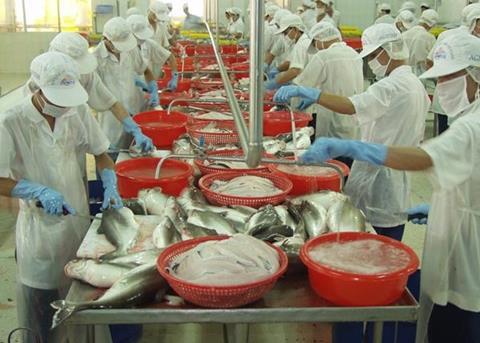
The company currently processes panga in its four factories in Tien Giang Province in the Mekong Delta region in southern Vietnam and exports IQF fillets mainly to the EU. “However, with our push to becoming a value-added company we are looking to open new markets such as Japan and the Americas with a focus also on South East Asian markets for ready-made meals.”
Chicken of the sea
Says Mr Sato, “Basically, our value-added team views panga as a chicken that swims, meaning that whatever chicken products are being sold, we can make with panga. The list is endless. It includes Buffalo panga nuggets, breaded panga with infused tartar sauce, fish and chips with chips from Belgium being developed for ready meals and bento, panga wellington with cream sauce and puff pastry, panga fish pies, and breaded panga tom yam.
“In the future Vietnamese farmers should be able to better control their growth rates, yield, and more advanced processing techniques will drive costs of production down. This will allow for further value-adding. I can see panga as becoming the real chicken of the sea: stability in supply and stability in price.”
At the end of last year the Vietnamese Association of Seafood Exporters and Producers (VASEP) reported that pangasius exports to the country’s two major markets – the EU and the USA – were declining. However, the breakthrough in value-added production should reverse this trend.
“I believe the Vietnamese panga industry has a big advantage in breaking into the seafood value-added market on a big scale”, Mr Sato says. Everyone involved in Vietnam’s pangasius industry will hope that he’s right.