






Skate and ray report challenged
A recent report from the University of Salford, which was perceived to suggest that some skate and ray sold in UK supermarkets are from declining species, has been challenged by the UK fishing industry.
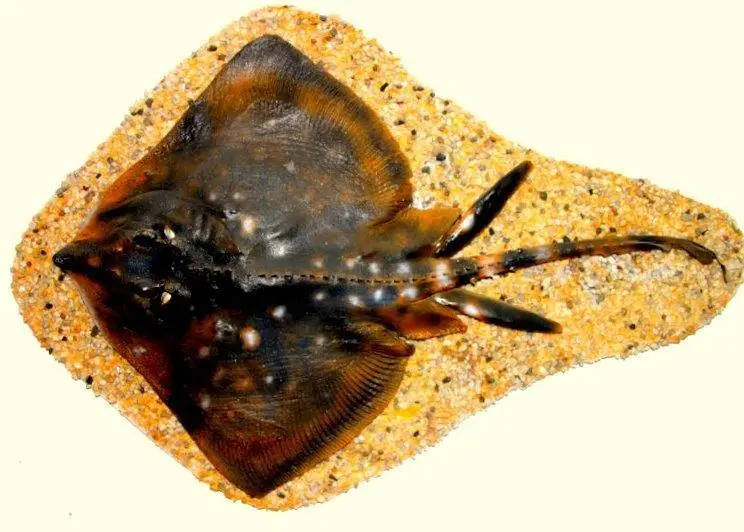
The industry, along with Seafish and the Shark Trust, is urging retailers and consumers to be assured that commercially available skates and rays are from effectively managed stocks and have been responsibly sourced.
Phil MacMullen, head of Environment at Seafish said: “Although the University of Salford’s recent study described the difficulty in identifying certain species of ray, it did in fact acknowledge that no vulnerable species had been found in any commercial setting. We must quash the perception that there is an issue with skate and ray stocks as UK vessels are currently having their catches refused by merchants and are losing substantial income.”
Stocks of skates and rays are responsibly sourced, due to long-term work by the EU, ICES, The Shark Trust and voluntary agreements with the fishing industry. Catchers, merchants, processors and retailers have worked closely with the Shark Trust to develop best practice in species landed, identification and gathering robust species-specific data, and the Skate & Ray Association has been formed to promote best practice.
Related Articles
 FISHERIES
 FISHERIES
 WORLD FISHING EVENTS