




Report: US supermarkets, restaurants selling Indian shrimp produced by forced labour
Forced and child labour, and other exploitative practices, together with environmental harm, are pervasive in India’s multi-billion-dollar shrimp farming industry, according to a damning report from US non-profit organisation Corporate Accountability Lab (CAL).
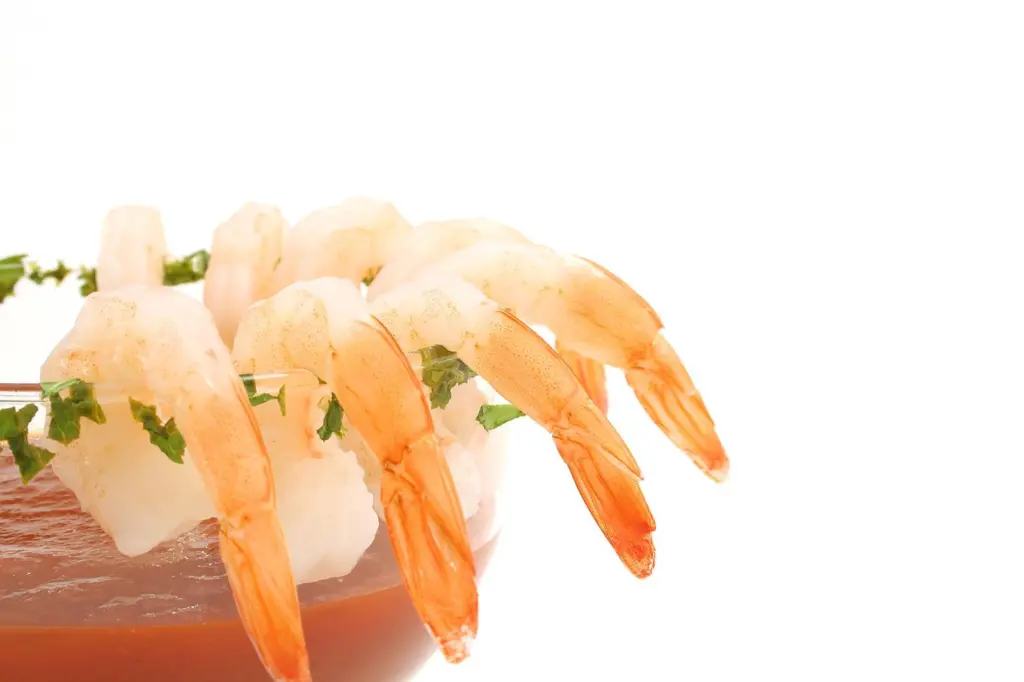
CAL explained that the “Hidden Harvest: Human Rights and Environmental Abuses in India’s Shrimp Industry” report’s findings are meaningful because shrimp is the most consumed seafood in the United States, and India is the largest shrimp supplier to the market, providing 40.8% of all shrimp imports in 2023.
The organisation said human rights and environmental abuses in global shrimp aquaculture have been documented for over a decade, but that India – despite its huge market share – has remained under the radar.
“Indian shrimp have been considered a ‘low-risk’ source, even with tell-tale signs of abuse,” it said in a statement. “CAL’s multi-year field investigations and interviews provide some of the first documentation of the widespread abusive and dangerous labour and environmental practices in the Indian shrimp sector – including shrimp products certified to be socially and environmentally responsible by the industry’s largest certification programmes.”
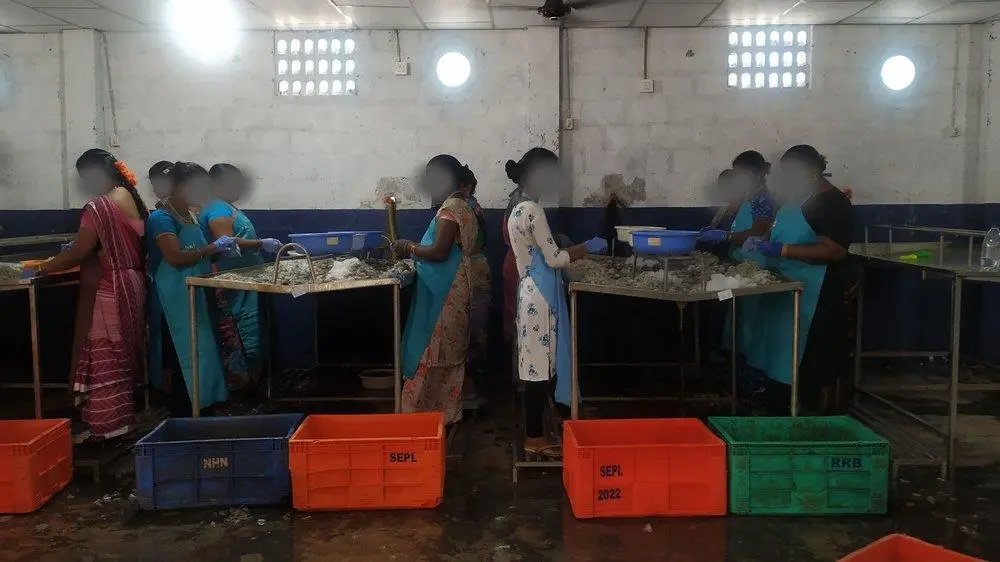
The report gives examples of workers subjected to debt bondage, verbal abuse, hazardous working conditions and company-restricted movement.
Forced labour is common and even hazardous child labour was observed, CAL states.
It also notes that hatcheries and shrimp farms harm the local environment by releasing contaminated effluents into nearby waterways, contaminating communities’ drinking water and polluting nearby agricultural land and local fisheries.
Shrimp farms are also a leading cause of mangrove destruction, which sequester four times as much carbon as terrestrial forests, it said.
The study also suggests convoluted, informal supply chains make it difficult to trace the origin of Indian shrimp products, contributing to the persistence of labour and environmental abuses.
“In the absence of oversight and regulation from the Indian and US governments, abuses in the shrimp sector flourish, and fair-washing and green-washing certification schemes have entered the fray.”
Having found labour violations at all stages of shrimp aquaculture production, including shrimp hatcheries, farms and processing plants, CAL said its “pervasiveness demonstrates that forced labour is not a fringe occurrence; rather, it is part of the cost-cutting structure of the Indian shrimp industry”.
The report calls on US retailers and wholesalers to push for changes in the Indian shrimp sector, from which they buy so much product. It promotes the implementation of binding agreements between companies and independent worker organisations.
It also demands US and Indian governments enforce laws meant to prohibit labour and environmental abuses.
In response, the Federation of Indian Export Organisations (FIEO) said Indian shrimp exporters are complying with food safety and quality norms to meet requirements of importing nations, including the US.
“We must counter this vehemently as our marine sector has been complying and constantly upgrading to US shrimp requirements,” FIEO Director General Ajay Sahai said.
Meanwhile, Dr Max Valentine, Campaign Director at oceans conservation organisation Oceana, issued the following statement: “This report is the latest devastating example of imported seafood produced by forced labour ending up on American plates. From squid to tuna to shrimp, recent investigations show serious gaps in oversight and accountability in the seafood sector. The US is becoming a dumping ground of illegally caught or unregulated seafood that is processed using forced labour, and workers and the oceans are paying the price.”
Valentine continued: “Until all imported seafood is traced from dinner plates back to fishing nets or farms, with each step in the supply chain documented, bad actors will continue to ignore laws to increase profits. Requiring all seafood to be traced to a legal fishery and through an honest supply chain will give consumers more confidence in the seafood they eat and support businesses that follow the rules. The continued reports of forced labour in the seafood supply chain are a rallying cry for immediate action. The United States must improve seafood traceability and increase transparency at sea so that we know our seafood dinner did not come with a side of human rights abuses. Illegal fishing and forced labour should have no seat at our dinner tables.”
Related Articles
 AQUACULTURE
 SEAFOOD
 SEAFOOD