






First US seafood strategy from NOAA
NOAA Fisheries has released its first-ever National Seafood Strategy for the United States. The administration’s plan follows several rounds of stakeholder input and a public comment period earlier this year.
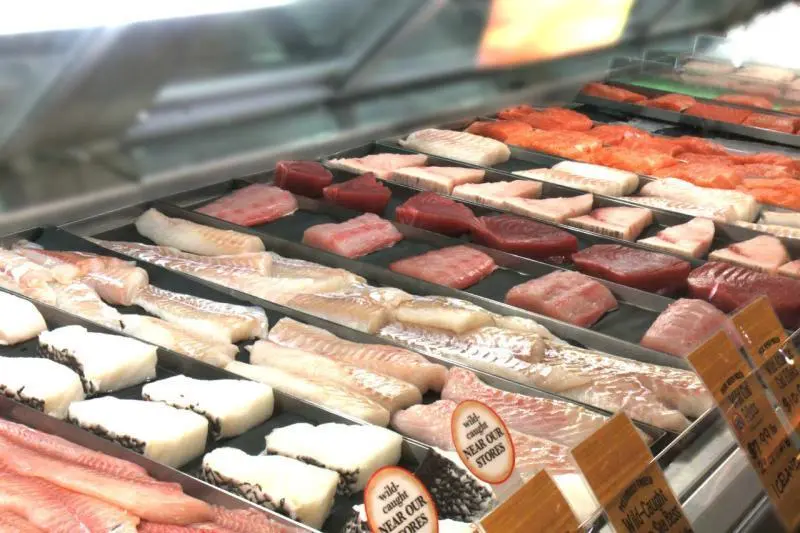
The strategy underscores NOAA’s strong commitment to seafood sector resilience and aligns with the Biden-Harris Administration’s goals for economic recovery, environmental sustainability, and climate resilience. Further, the White House Conference on Hunger, Nutrition, and Health points to the need for increased seafood consumption in the United States, which this strategy aims to address.
It also responds to the unprecedented challenges facing the U.S. seafood industry, including climate change, the coronavirus pandemic, new technologies and other ocean uses, significant labour shortages and aging infrastructure.
NOAA Fisheries said its vision is to ensure that:
- US seafood continues to be produced sustainably
- The US seafood sector contributes to the nation’s climate-ready food production and to meeting critical domestic nutritional needs
- US seafood production increases to support jobs, the economy and the competitiveness of the sector
- Supply chains and infrastructure are modernised with more value-added activity in the United States
- Opportunities are expanded for a diverse and growing seafood workforce
It explained that it intends to achieve these aims by focusing on four goals:
- Maintain or increase sustainable US wild-capture production
- Increase sustainable US aquaculture production
- Foster access to domestic and global markets for the US seafood industry
- Strengthen the entire US seafood sector
According to NOAA, the public comments and stakeholder input were integral to finalising the strategy and helping guide the direction of work to support the seafood sector. It received more than 150 separate comments, about a quarter of which were from organisations, including fishing, aquaculture, seafood associations, non-profits, NGOs, aquariums and state agencies.
In addition, five regional fishery management councils provided comment letters.
Many of the comments were used to strengthen and improve the strategy, particularly to clarify phrases or context, such as adding descriptions of other agency strategies and policies, it said.
Related Articles
 SEAFOOD
 SEAFOOD
 FISHERIES