
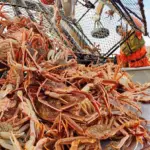

Salmon waste to fuel Faroese energy
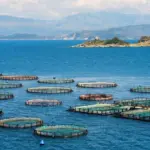
Faroe Islands-based salmon producer Bakkafrost will invest in a new biogas plant in collaboration with other Faroese fish farmers and local dairy farmers, using waste products from fish and dairy farming to produce energy and fertiliser.
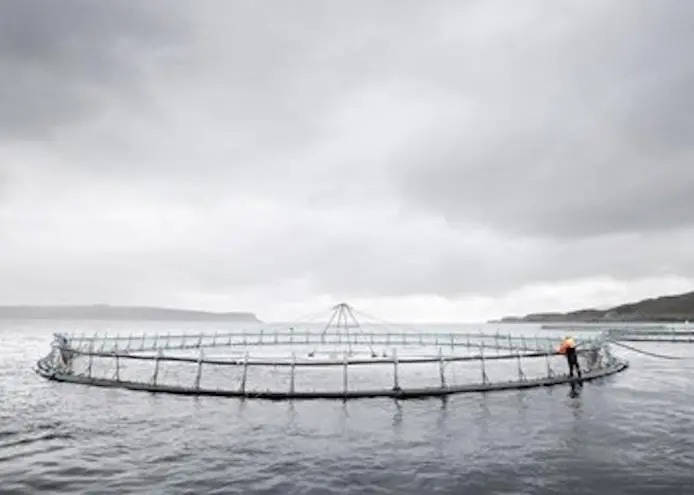
The plant is one of several commitments outlined in Bakkafrost’s new ‘Healthy Living Plan’ sustainability report. Other strategic priorities in the report include managing and minimising water use by harvesting rainwater, increasing focus on reducing footprint, phasing out the use of ethoxyquin in all fishmeal in favour of natural antioxidants and setting up a new ‘Healthy Living Fund’ to channel community investment through.
Regin Jacobsen, CEO of Bakkafrost, said: “We believe that by investing in the health of our business, our people, our salmon, the environment and the communities in which we operate, we will create long-term value for society, meeting the growing global demand for protein, responsibly.”
In 2017, Bakkafrost certified two further salmon sites to the Aquaculture Stewardship Council (ASC) standard and expect to have six ASC-certified sites by the end of 2018.
The company, based in the village of Glyvrar on the island of Eysturoy, produced an average of almost 700,000 meals a day in 2017. 44% of its salmon sales were to the EU, 18% to the USA, 21% to Eastern Europe and 17% to Asia.
Related Articles
 AQUACULTURE
 SEAFOOD
 AQUACULTURE