






Processors cheating because supermarkets want low prices
The use of additives to bind in water and excessive glazing are back on the agenda in Vietnam as processors there desperately seek to lower the price of the frozen pangasius fillets they send to Europe for sale in supermarkets.
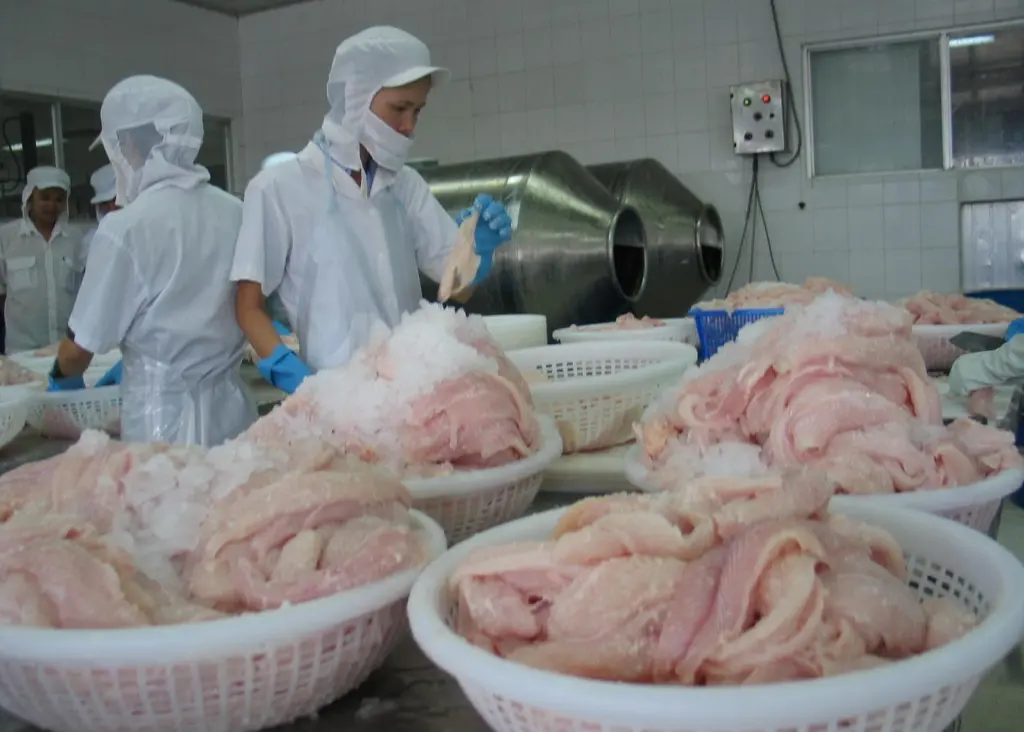
The spiralling costs of feed and juveniles, made worse by the steep interest rates charged for bank loans, has led to a massive 70% decline in the number of farmers producing pangasius during the past two years. Not surprisingly, therefore, product prices have rocketed and European importers are being asked to pay US$4 per kg CIF for top quality pangasius fillets, the highest price ever according to one industry insider.
Again, not surprisingly, supermarket buyers do not want to pay more for what has become a very cheap ‘whitefish’ species. Indeed, imported top quality pangasius fillets were priced at more than locally landed plaice in the Netherlands in the middle of May.
This price pressure has been passed down the distribution chain and pangasius processors are now adding water to the fillets by tumbling or dipping them in STPP or non phosphate solutions prior to freezing and adding excessive levels of glaze afterwards.
Unfortunately neither of these practices is new to the seafood processing industry – 40 odd years ago there were remarks in the trade press that water should be top of the list of ingredients for some frozen seafood products. And some Scottish processors were regularly soaking scampi (Nephrops norvegicus) meats in polyphosphate solutions overnight so they would absorb as much moisture as possible before being frozen the next day.
Disappointing
What is disappointing is that these practices are being revived, assuming that they ever stopped, and now there are various non phosphate compounds available that have the same water retention properties as STPP (sodium tripolyphosphate) and similar compounds, but are harder to detect in the finished product.
In fact they can appear on pack labels as the harmless sounding ‘citric acid’ which is part of their composition.
The use of STPP and similar phosphates, which are ‘officially’ used to reduce drip on thawing, is not banned in the EU, although the dosage is supposedly strictly controlled and their presence should be declared on product packaging.
What has brought this issue to the fore is that complaints have been made about the ‘salty taste’ of pangasius fillets. This is almost certainly due to the excessive use of STPP and European importers have been voicing their concerns to VASEP, the Vietnamese Association of Seafood Exporters and Producers, which has promised to take the matter up with the Vietnamese government.
Whether there will be any concrete action as a result is uncertain. Past promises to act on prices and standards have not been fulfilled, but at least it is a step in the right direction.
However, as well as the Vietnamese authorities, who undoubtedly should put their house in order, what about the supermarkets themselves? Do they never learn? Last year’s horsemeat scandal was caused by their insistence on paying ridiculously low prices for some meat products.
Is their insistence on low pangasius prices going to put consumers off not just pangasius, but seafood in general?
Related Articles
 PROCESSING & REFRIGERATION
 SEAFOOD
 SEAFOOD