




Plastic particles threaten marine life
Micro-plastics entering the food chain are increasingly being found in the oceans and could prove to be as harmful to marine life as larger debris like plastic bags, a new report suggests.
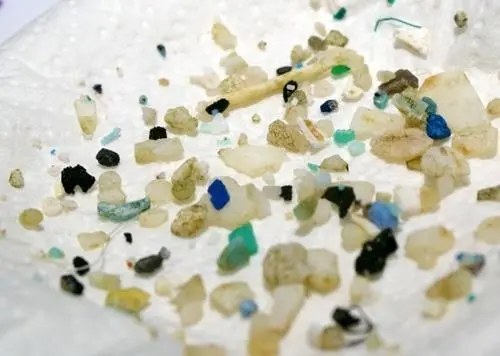
The Joint Group of Experts on the Scientific Aspects of Marine Environmental Protection (GESAMP) report, Sources, fates and effects of microplastics in the marine environment – a global assessment, highlights how micro-plastics – small pieces of plastic or fibres – could act as a pathway for persistent, bio accumulating and toxic substances entering the food chain.
“While there is a need for further assessment of the problem, the report is the first attempt, at a global scale, to identify the main sources, fate and effects of microplastics in the ocean and offers improved understanding of the scale of the problem,” said Dr Stefan Micallef, director, marine environment, International Maritime Organization (IMO), the Administrative Secretary of GESAMP.
Micro-plastics refer to small plastic particles, less than 5mm in diameter, but some as small as 10 nanometres. They may be purposefully manufactured for particular industrial or domestic applications (such as facial cleansers), or result from the fragmentation of larger items, especially when exposed to sunlight, and have been found distributed throughout the world’s oceans, on shorelines, in surface waters and seabed sediments, from the Arctic to Antarctic, and may accumulate at remote locations, says the report.
“The assessment suggests that there needs to be a wider awareness of the potential harm that microplastics in the oceans could cause,” added Dr Micallef.
GESAMP says the potential problems of micro-plastics in the marine environment were brought to its attention in 2010 and the assessment report has been developed by a working group of experts which has met regularly during the past five years.
The report notes that while the physical impacts of larger litter items, such as plastic bags and fishing nets, have been demonstrated, it is much more difficult to attribute physical impacts of microplastics. However, laboratory tests reveal that even very tiny particles can cause cellular damage in mammals.
Micro-plastics have been found inside the bodies of a wide variety of marine organisms including invertebrates, fish, birds and mammals, and the ingestion of micro-plastics may have an effect on the feeding, movement, growth and breeding success of the host organism.
The report recommends better control of the sources of plastic waste, through applying the principles of the “3 Rs” (Reduce, Re-use, Recycle), and improving the overall management of plastics as the most efficient and cost effective way of reducing the quantity of plastic objects and micro-plastic particles accumulating in the ocean.
In addition, the report warns that even if all releases of plastic to the environment were to stop immediately, the number of micro-plastics in the ocean would be expected to continue to increase as a result of continuing fragmentation.
Related Articles
 FISHERIES
 FISHERIES
 WORLD FISHING EVENTS