

Norwegian exports rise
Norwegian seafood exports have risen by 26% over the same time last year
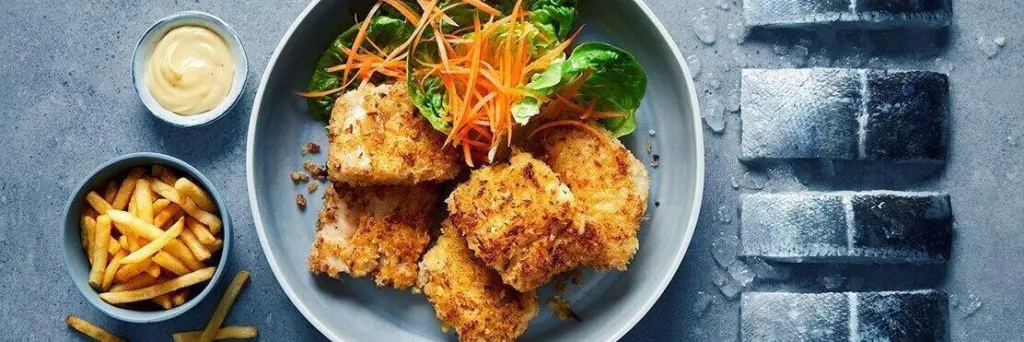
Norway exported seafood was worth NOK 10.3 billion in January 2022, an increase of NOK 2.1 billion on the year, says the Norwegian Seafood Council.
“January this year gave the highest export value ever, and thus the strong trend continues from 2021. Despite challenges with the corona pandemic, prices for many of our products increased. It was also a January record in both value and volume for salmon,” said Renate Larsen, CEO of the Norwegian Seafood Council.
Strong front
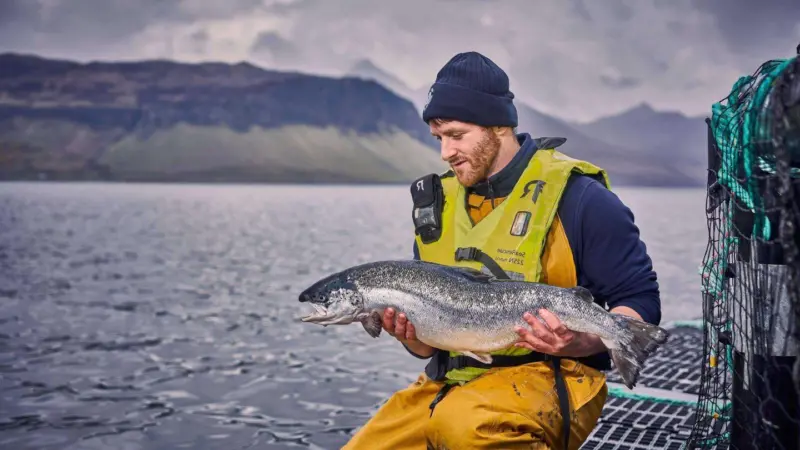
Salmon was the engine for seafood exports in January, consolidating its strong position and accounting for 70% of the total value.
In overseas markets such as North America and Asia, restaurant openings and improved logistics resulted in growth in exports, especially for whole fresh salmon.
Export volume increased by 2% and export value increased by NOK 2.1 billion, or 41%, compared with January last year.
It wasn’t just salmon performing well though, there was also a good start to 2022 for cod.
In January, Norway exported 718 tonnes of fresh cod worth NOK 47 million. An increase in value of 82% compared with the same month last year.
Fresh cod saw a volume increase of 23% with export value increased by NOK 79 million, or 44%, compared with January last year.
January 2022 was the best month ever for frozen cod with an export of 11,800 tonnes of frozen cod worth NOK 482 million in January – an increase in volume of 70%.
Some declines
Not all exports saw a rise though. There was a decrease in volume for stockfish of 38% with the export value falling by NOK 39 million on January last year.
And lower catches resulted in lower herring exports with the voume falling by 46%. Export value for herring fell by NOK 99 million, or 28%, compared with January last year.
Bad weather, purse seine boats engaged in capelin fishing in Iceland and a lower quota for Norwegian spring-spawning herring are the main reasons herring catches in January this year are significantly lower than usual.
It was a similar story for mackerel with a decrease in volume of 39%. The export value fell by NOK 164 million, or 26%, compared with January last year.
Like herring, mackerel exports have affected by supply. In addition, the quotas are expected to be reduced, compared with last year.
Trends
There were some clear trends for the start of 2022 in the latest export figures, said Ms Larsen.
The largest growth in seafood exports this time came from outside the EU. While this market in January 2021 accounted for 58% of the export value, it had fallen to 54% in the same month this year. This could be due to substantial price increases.
There was also a clear decline in demand for some wild-caught seafood.
“While fish from aquaculture had a value growth of 42%, there was a decrease in both volume and value on the wild catch side. Occasionally bad weather presented some challenges for the fleet. Still, thanks to significant growth in demand in the markets, there was increased value for several wild-caught products, including cod and saithe,” she said.