




Raising the bar with barramundi in Sri Lanka
Over the past century, seafood consumption has grown significantly, and the vast majority of us are thinking differently about how we use natural resources like the ocean. As we reach ever closer to a tipping point, sustainability has become a more prominent topic in conversations, not only with consumers but also among industry, including aquaculture.
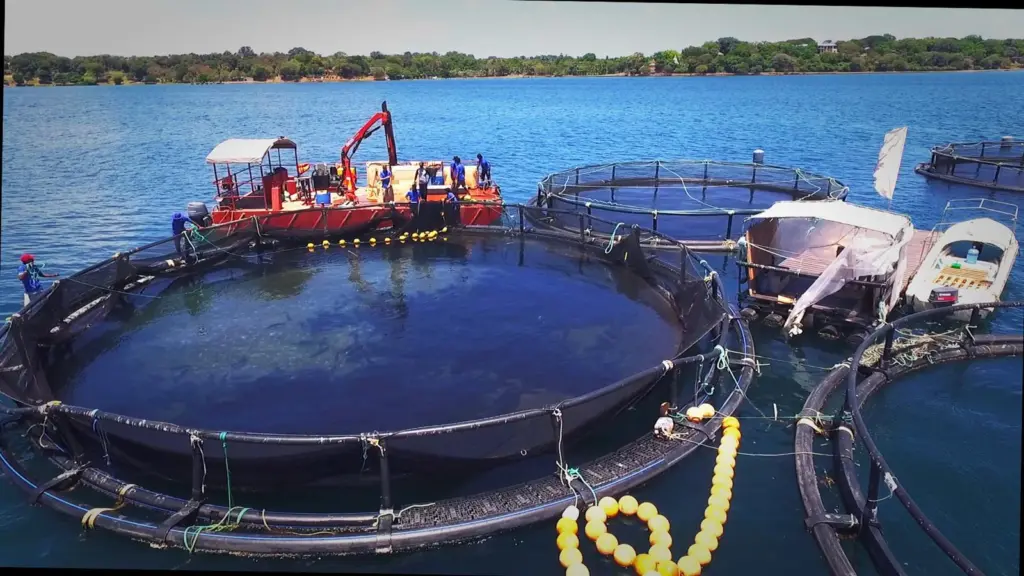
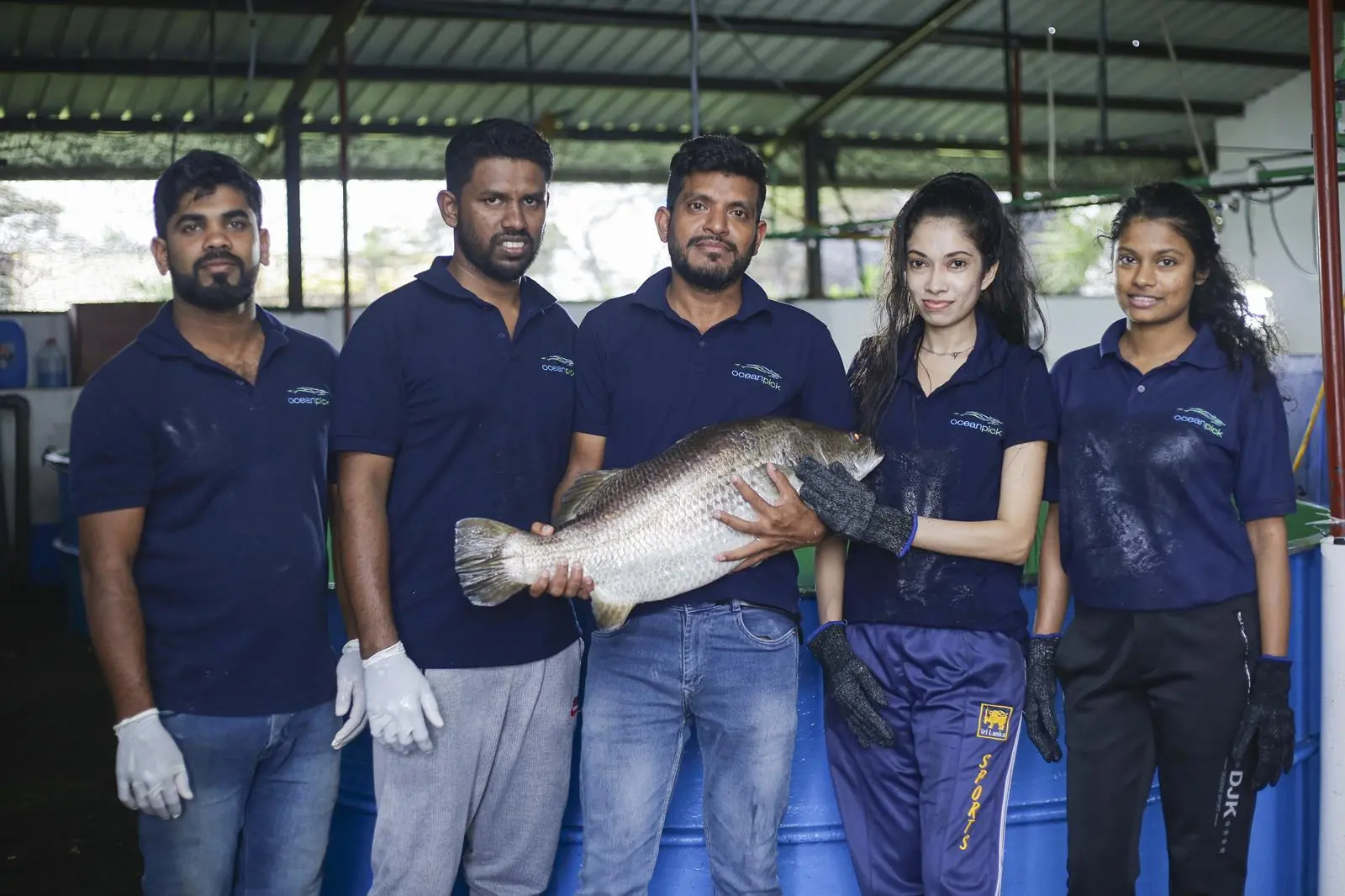
In 2012, Irfan Thassim, Founder and Director of barramundi farm Oceanpick, realised that change was needed, with more than 90% of Sri Lanka’s fish coming from wild capture with many stocks at risk of depletion. With a vision of establishing the first oceanic farm in Sri Lanka, Thassim turned to Kames Fish Farming Ltd in Scotland for help. The result was Oceanpick, Sri Lanka’s first and only commercial producer of barramundi (Lates calcarifer), a versatile and highly sought-after species that is known for its delicate flavour, firm texture and excellent nutritional profile.
Thassim said the significance of sustainable aquaculture is gaining prominence across the globe, and Sri Lanka recognises this as a valuable economic and environmental opportunity.
“Oceanpick is a pioneer in barramundi farming and it’s South Asia’s largest fin-fish farm, playing an important role in promoting the innovative aquaculture industry,” he told WF.
“Barramundi farming in Sri Lanka is a huge opportunity for the country. It positively impacts economic, environmental and health aspects, and develops and fosters local communities. Oceanpick’s commitment to responsible farming practices ensures the production of high-quality barramundi while minimising environmental impact. It provides a natural and spacious environment for the fish to grow, resulting in healthier and tastier barramundi and helping to meet the growing demand for fish protein while reducing pressure on wild fish stocks.”
Production increases
Oceanpick’s farms are located off the coast of Trincomalee on the north-eastern seaboard of Sri Lanka. Trincomalee is an ideal location for aquaculture as it’s free of the large-scale industrial activities that are typical to other farming sites in the region. At the heart of its operations is the Alain Michel Hatchery, where carefully selected broodstock produce eggs that hatch into fry. The fry are then nurtured in controlled environments until they reach a suitable size for transfer to sea.
Oceanpick operates three distinct sites that are dedicated to the pre-grow-out and grow-out phases. Selected for their pristine water conditions and ideal temperature ranges, the fish have ample space in which to swim and thrive, benefitting from the nutrient-rich waters and natural conditions. They are also closely monitored with regular health checks. Their diet consists of high-quality, sustainable feed that is formulated to support their growth and enhance their flavour.
As they approach harvest size, they are carefully selected and transported to the processing plants, where they are handled with precision to preserve freshness and flavour and ensure optimal quality. After thorough cleaning, scaling and filleting, the barramundi areready to be packaged and shipped to customers worldwide.
In 2022, Oceanpick harvested 1,200 tonnes and is expected to produce 1,800 tonnes this year. Its main export markets are Australia, the United States, the Maldives and more recently the EU.
CSR focus
Barramundi farming has had some key impacts on Sri Lanka, said Thassim, for example by stimulating economic growth in rural areas and contributing to the country’s overall economic development. It also provides an affordable source of fish to local populations, reducing the reliance on wild fish stocks, and has helped to facilitate the transfer of technology, expertise and best practices among different stakeholders. This can contribute to the development of local aquaculture knowledge and skills, empowering communities to engage in sustainable farming practices.
As well as its farm operations, Oceanpick also runs corporate social responsibility (CSR) programmes that focus on community welfare, education and environmental conservation. Through these, it promotes sustainable practices, empowers local communities and strengthens social harmony.
“Barramundi farming plays a crucial role in social impact and community development initiatives,” said Thassim. “Oceanpick actively engages with local communities. By empowering individuals through job creation, it contributes to poverty alleviation and social mobility. It also actively seeks partnerships with local fishermen, recognising their expertise and contribution to the fishing industry.
“Fishermen can work on the farm, leveraging their knowledge of fishing techniques and fish handling, and receive a source of income, especially during periods of low fishing activity or when fish stocks are depleted. This reduces their dependence solely on wild catches. They can also be involved in decision-making processes and provide feedback and insights, something which strengthens the social fabric of fishing communities.”
International standards
Recognising that sustainability is an important factor to the discerning global customer, Oceanpick ensures it conforms to strict industry standards, one of which is Best Aquaculture Practices (BAP).
“This certification demonstrates Oceanpick’s dedication to sustainable practices such as responsible sourcing, environmental stewardship and social accountability,” said Thassim. “By adhering to BAP guidelines, Oceanpick ensures that its barramundi are produced in a manner that prioritises the well-being of both the marine environment and local communities.”
Oceanpick also holds the Sedex Members Ethical Trade Audit (SMETA) certification, which verifies that Oceanpick maintains ethical and socially responsible practices and establishes itself as a company that values fairness, transparency and integrity in all aspects of its business.
Plans are also underway to obtain the Aquaculture Stewardship Council (ASC) certification. Certifications have been a huge boost to Oceanpick’s brand value and resulted in greater interest from customers.
“They have compelled Oceanpick to enhance practices such as fish welfare, feed management, water quality and disease prevention, ensuring that the farm operates in an environmentally sustainable and socially responsible manner, minimising any negative impacts on the ecosystem,” said Thassim.
“Barramundi products have gained increased credibility and value in the market, opening up opportunities for Oceanpick to access premium markets and command higher prices. Certification also provides a platform to educate consumers about the positive environmental and social impacts of responsible fish farming practices, and sets Oceanpick apart from competitors, helping it differentiate itself in crowded marketplaces and attract environmentally conscious consumers. Oceanpick also assumes a position of industry leadership in sustainable barramundi farming, inspiring other producers to adopt similar responsible practices.”
New species
Oceanpick has put Sri Lanka firmly on the global aquaculture map. The demand for barramundi is rising with greater interest from the US, Europe and Australia where the species originated, said Thassim.
Future plans include exploring the potential of other species such as grouper and snapper.
Oceanpick is currently engaged in research and evaluation processes to understand the suitability of different species for aquaculture, with growth characteristics, nutritional requirements, disease resistance and market demand studied extensively. A trial production of snapper has already been successful and provided valuable insights and practical knowledge that allow Oceanpick to refine its farming methods for successful production.
“The decision to develop other fish species is driven by market demand and feasibility assessments,” said Thassim. “Careful analysis of market trends, consumer preferences and commercial viability of each species are under consideration. Oceanpick’s research-driven approach, successful trial of snapper, collaboration efforts, consideration of market demand and environmental sustainability, and focus on continuous learning, enables the diversification of its species portfolio, while its commitment to delivering high-quality, sustainable seafood and contributing to aquaculture’s growth and development remains firm. It’s an exciting time and we are looking forward to seeing what the future holds.”
Related Articles
 PROCESSING & REFRIGERATION
 PROCESSING & REFRIGERATION
 PROCESSING & REFRIGERATION