


Historical data collected from UK fisheries in the 1930s to 1950s has been digitised for the first time – a move that could help scientists greatly improve their understanding of climate change and variability.
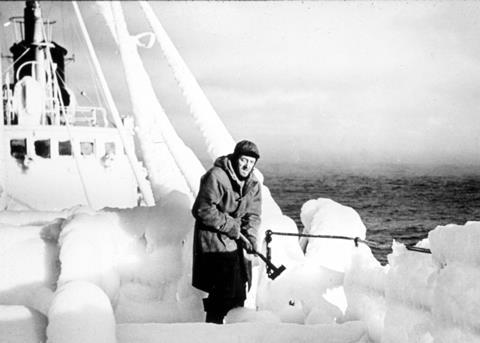
The survey logbooks reveal how cod responded to changing temperatures in the last century. Scientists at the Centre for Environment, Fisheries and Aquaculture Science (Cefas) and the University of Exeter found that at the time, the warm seas experienced around Norway benefitted the cod, similar to the conditions there today.
“We know from anecdotal evidence that fisheries have varied in the past but it is rare to have such comprehensive datasets going back to the early 20th century. These logbooks, along with others still held by Cefas, reveal unique insights into the state of fish stocks and the environment in the past century, and enable us to put more recent changes into context,” said Bryony Townhill, marine climate change scientists, Cefas.
“To predict how future climate change will affect crucial fish stocks, we can learn by looking back in time,” added Dr Steve Simpson, senior lecturer in marine biology and global change, University of Exeter.
Most cod eaten by the UK comes from northern seas including the Barents Sea around Norway, because the stocks there at the moment are at record highs.
This new research also reveals that cod stocks were big in the middle of the last century, and that their food preferences each year, between capelin, herring, crustaceans and cod cannibalism, were also affected by their environment.
To ensure records from other historical survey cruises are not lost and can be made freely available, Cefas is working on cataloguing and digitising these documents where possible.