




Washington warns Mexico over illegal fishing
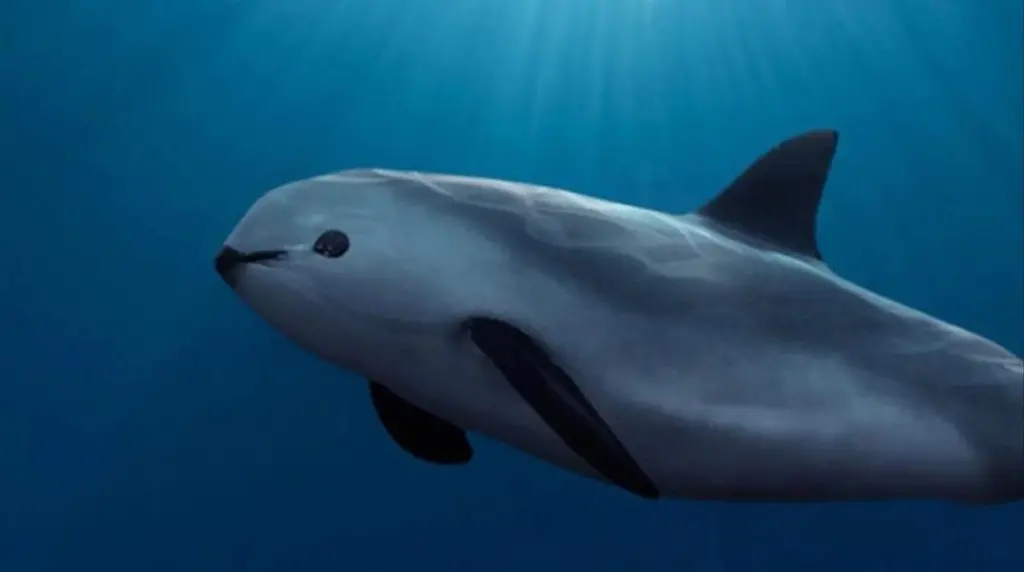
The US Fish and Wildlife Service (USFWS) has advised that Mexico has failed to halt the illegal wildlife trade threatening the critically endangered vaquita porpoise, diminishing the effectiveness of an international wildlife treaty.
Under US law, President Biden must now decide by mid-August whether to take action against Mexico, including imposing a trade embargo. If the president fails to ban imports of all wildlife products from Mexico, he must explain why.
The Convention on International Trade in Endangered Species of Wild Fauna and Flora (CITES) wildlife treaty prohibits international trade in the endangered fish totoaba. Although the Mexican government has recently taken some steps, it largely ignored illegal totoaba fishing that entangles and kills vaquita for decades. As a result, only about 10 vaquita remain.
USFWS’s decision finds that nationals of Mexico are engaging in taking and trade of the totoaba fish and the related incidental take of vaquita that diminishes the effectiveness of CITES, and that Mexico has failed to stem the illegal harvest and commercial export of totoaba.
“Mexico has failed the vaquita and ignored its obligations under international law, so this step is crucial,” said Sarah Uhlemann, international programme director at the Center for Biological Diversity. “No one relishes painful trade sanctions, but without strong, immediate pressure from the international community, there’s a good chance we’ll lose this shy little porpoise forever.”
Under a US law called the Pelly Amendment, USFWS must certify nations for “diminish[ing] the effectiveness” of any wildlife treaty. If a country is certified, the president may embargo “any product” from that nation to prompt compliance.
The United States imported roughly US$798 million of fishery products from Mexico in 2022.
Certification of Mexico responds to a 2014 petition and a 2022 lawsuit filed by conservation groups.
Vaquita numbers declined from 100 to roughly 10 while the petition languished within USFWS.
DJ Schubert, wildlife biologist with the Animal Welfare Institute, said the decision is another signal to Mexico that its actions to stop illegal fishing to protect the vaquita are inadequate and that the country must substantively escalate its efforts to fully implement and enforce its laws.
“Scientists have confirmed that the vaquita can recover – but only if gillnets are permanently removed from its habitat in the Upper Gulf,” Schubert said.
The United States’ finding follows a recent decision by the CITES Secretariat involving the vaquita. That ruling temporarily triggered the suspension of all commercial trade in CITES-protected species with Mexico for its failure to submit an adequate plan to control totoaba fishing and trafficking.
On April 13, CITES lifted that suspension after Mexico submitted a revised plan, which has still not been made available to the public.
“The US Fish and Wildlife Service’s certification of Mexico is long overdue and its neglect to move faster has contributed to the vaquita’s near extinction,” said Zak Smith, global biodiversity conservation director at NRDC (Natural Resources Defense Council). “President Biden must make amends for lost time by issuing the strongest import ban necessary to compel Mexico to take actions that will guarantee the vaquita’s survival.”
It has been reported that illegal fishing continues in the vaquita’s habitat and that between 26 and 27 April, at least 69 vessels were reported likely fishing with deadly gillnet gear in the vaquita refuge.
Totoaba fishing has now ended for the season, but it’s feared the gillnets will return to the vaquita’s habitat for the September shrimp season unless Mexico cracks down.
Related Articles
 FISHERIES
 FISHERIES
 FISHERIES