


Scottish catch value bounces back (but not to pre-Covid levels)
While the volume of fish and shellfish caught by the Scottish fishing fleet last year fell 2% compared with 2021 to around 429,000 tonnes, the value of these landings increased 4% to GBP 617 million, finds the new Scottish Sea Fisheries Statistics 2022 report. However, the Scottish government highlights that the value hasn’t returned to 2019/pre-pandemic levels and also that it has risen less than general inflation between 2019 and 2022.
According to the analysis, compared to 2019, and whilst there was 9% increase in the tonnage landed, the real value of Scotland’s landings has fallen 5%.
It also notes that Scottish vessels landed 162,000 tonnes of fish and shellfish worth GBP 167 million abroad in 2022, with these overseas landings making up 38% of the total tonnage and 27% of the value.
The data establishes that the 4% increase in real value between 2021 and 2022 was driven by demersal and shellfish species, with rises of 9% and 5%, respectively. There was also a 1% rise in the value of the fleet’s pelagic landings.
Meanwhile, the 2% decrease in tonnage mainly resulted from drops in shellfish and pelagic fish landings of 7% and 3% respectively. A 6% drop in the demersal volume was also recorded.
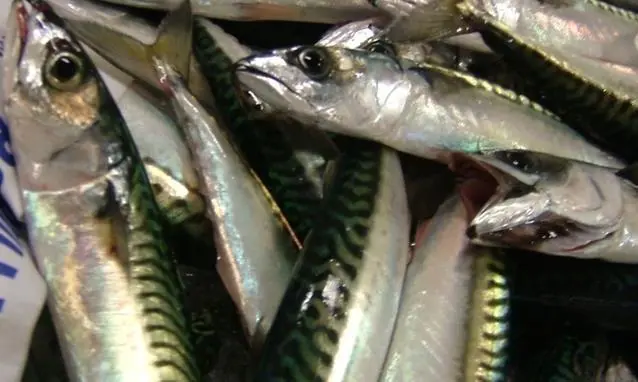
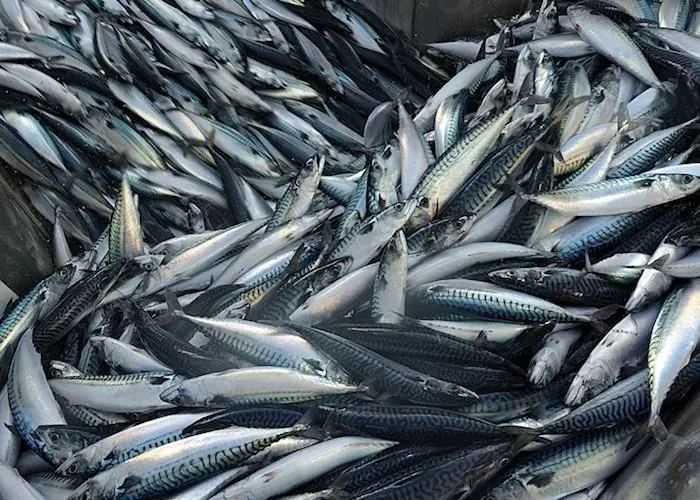
In terms of species, mackerel remained Scotland’s most valuable fish in 2022. Worth GBP 213 million, it made up 35% of the total value of Scottish vessel landings.
Monkfish was the most valuable demersal species and represented 6% of the total value of Scottish vessels’ landings.
Also in 2022, 1,415 tonnes of creeled nephrops were landed by Scottish vessels with a value of GBP 16 million. Some 18,000 tonnes of trawled nephrops were also landed – worth GBP 67 million.
Scottish Rural Affairs Secretary Mairi Gougeon said the new figures demonstrate the continuing importance of Scotland’s fishing industry to the Scottish and UK economies.
“Despite the challenges the industry has faced with Brexit and the COVID-19 pandemic, the sector had a strong year in 2022. However, as these figures make clear, the industry has yet to return to the profitability of the pre-pandemic and pre-Brexit years.”
She continued, “Our marine industries, island and coastal communities are continuing to be damaged by Brexit and the additional challenges of new trade barriers, the loss of freedom of movement from the EU and reduced access to labour and – as a result of the Trade and Cooperation Agreement – having access to fewer fishing opportunities for some species than Scotland had under the Common Fisheries Policy.”
The report determines the number of active Scottish vessels remained stable at 2,038 in 2022, with the fleet dominated by vessels of 10 metres and under in length. There were 493 over-10-metre vessels.
Compared with 2013, the 10-metre and under fleet has increased by 8% while the over-10-metre fleet decreased by 17%. The over-40-metre Scottish vessels made up just 1% of the number of vessels but landed 45% of all landings by value last year.
In 2022, 4,117 fishers were working on Scottish vessels, down 124 compared to 2021. Since 2013, employment on Scottish vessels has fallen 9%.