





Scots fishers criticise advice to avoid mackerel
The downgrading of Northeast Atlantic mackerel from a green to an amber rating in the Marine Conservation Society’s (MCS) latest Good Fish Guide has been condemned as “overly harsh” by the Scottish Pelagic Sustainability Group (SPSG).
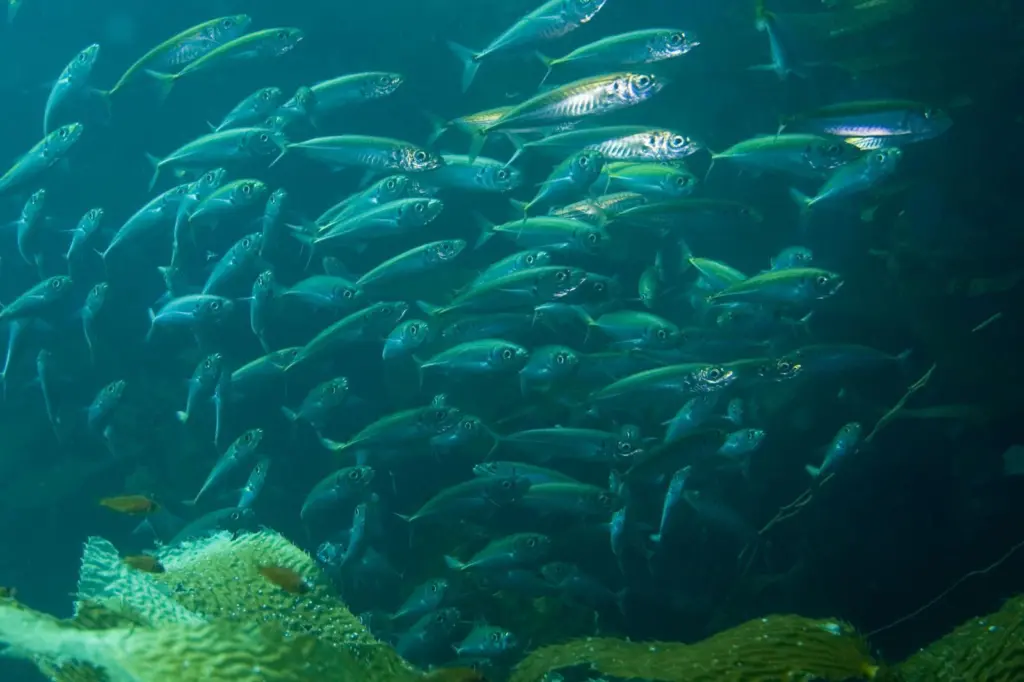
The pelagic industry organisation said that while the amber classification under the MCS traffic light system means that mackerel is still an “OK choice” for consumers to buy, the species should have retained its green status given the current scientific status of the stock.
It said the most recent advice from the International Council for the Exploration of the Sea (ICES) is that the stock biomass is 3,769,326 tonnes which is 46% higher than ICES’ maximum sustainable yield (MSY) value of 2,580,000 tonnes, and that when the stock is above the MSY level it’s considered capable of being sustainably harvested.
“MCS states that the stock has declined since 2015, which is true but needs to be put into context,” SPSG Chairman Ian Gatt said. “The scientific assessment of mackerel goes back to 1980, the 2015 stock biomass was the highest recorded in the 40-year study period at almost 6 million tonnes. It’s clear that the ecosystem cannot carry that biomass of mackerel, therefore, the stock is back to above average levels. It is not true to say the stock continues to decline as it has been stable over the last couple of years. What’s also clear from the advice is there is a large influx of juvenile fish (recruitment) coming into the stock. This has been witnessed by our fishermen on the grounds.”
Gatt said MCS has chosen one matrix to say the stock is overfished which is fishing pressure but has “completely ignored the fact” the stock biomass is 46% higher than ICES scientists’ assessment of MSY.
“This begs the question why MCS chose to do this – they are either incompetent and don’t have a robust methodology for their assessments, or they are working to an agenda that Scottish fishing is unsustainable. It was only last year that they made the same accusation about Scottish anglerfish and brown crab.”
SPSG said it has asked MCS for a meeting for several years to discuss its methodology and assessment model.
“Whilst we recognise that fishing pressure for Northeast Atlantic mackerel is higher than desired due to the failure of coastal states to agree catch shares, it is simply untrue to say that the stock is in bad shape. The current management situation has arisen because several countries participating in the fishery have all unilaterally increased their mackerel quotas outside any international agreement.
“In contrast, UK fishermen have meticulously abided by international agreements on catch shares based on scientific advice,” Gatt said.
SPSG also highlighted the fishery has a very low carbon footprint, that there’s virtually no by-catch of other species and that Scottish mackerel fishermen are engaged in a range of science projects and sampling programmes to enhance the understanding of the stock and to ensure its long-term sustainability.
MCS said Northeast Atlantic mackerel’s new amber rating reflects the fact that better management is needed to end overfishing of the stock, and that with no agreement on how to divide the catches, quotas have been significantly higher than scientifically-recommended limits since 2009.
Related Articles
 FISHERIES
 FISHERIES
 SEAFOOD