




Report: The importance of protecting fisheries observers
The protection of fisheries observers is a critical requirement for assuring sustainable fisheries, but sadly not all observers are adequately protected by their employers.
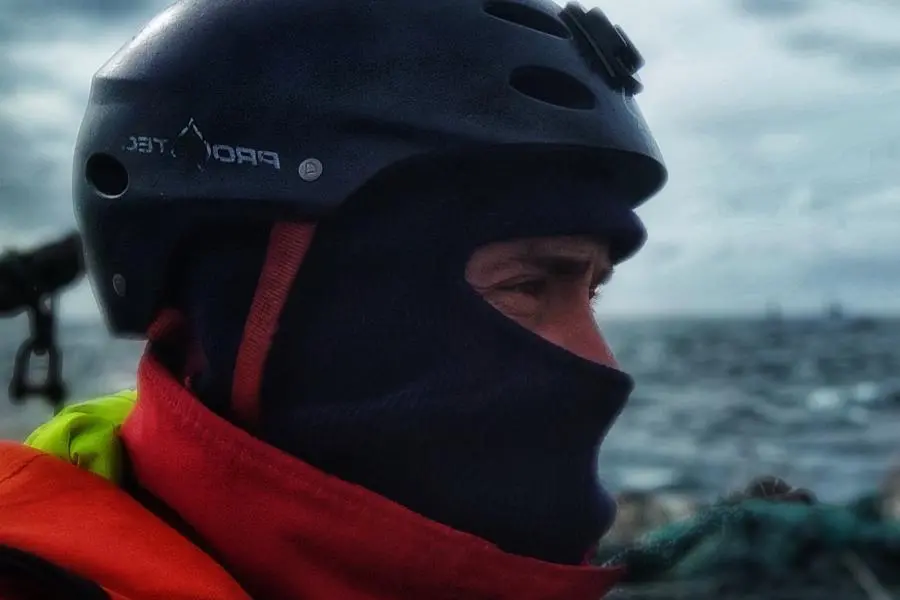
That’s according to Human Rights at Sea (HRAS) and the Association of Professional Observers (APO), which have issued a report focusing on raising public, regional and international awareness around fisheries observer’s safety, security and wellbeing, while working at sea.
“Observers are public servants charged with monitoring public marine resources. Observer harassment is often directly related to what the observer is reporting and thus the circumstances surrounding these incidents are of public interest,” said Liz Mitchel of the APO.
”The public has a right to know when and under what circumstances the observers were prevented from doing their job. Trends should be studied to ferret out their source. This would enable precious resources to focus on needed areas, regions, fisheries and flag-states of vessels that have chronic harassment problems.”
Public interest
Mitchel added that sustainability certifications should come with requirements of increased programme transparency, including any observer reports of pressure or bribery attempts to sign off on the vessels’ adherence to their standards.
The lack of transparency of observer programmes and agencies mandating observer coverage, while failing to protect them or act on their reports, is also of public interest.
”It is my hope that one day consumers will equate a lack of agency transparency as complicity in IUU fishing and that sustainability certifications will include standards for observer programme transparency and integrity,” she said.
This independent report has been socialised with the European Commission through DG MARE, civil society organisations and crucially, has been contributed to by multiple EU-based observers, managers and professional associations.
It was triggered by a confirmed April 2023 at-sea incident of alleged harassment and subsequent evacuation of a Portuguese fisheries observer from a Portuguese fishing vessel operating in the North Atlantic Fisheries Organisation (NAFO) regulatory area.
It also takes into account the most recent incident involving the ongoing investigation into the unexplained death at sea of another Portuguese observer in June 2023 on a Portuguese-flagged vessel fishing off the coast of Argentina.
Observers often experience a high level of vulnerability to multiple forms of harassment in their role because of the job they do in what is a unique work environment that is mostly out of sight and direct access to land-based scrutiny.
They face challenging scenarios, such as monitoring commercial catches with often high financial values, working aboard vessels undertaking Illegal, Unreported and Unregulated (IUU) fishing activities, and often facing direct pressure and/or threats to verify unlawful catches.
The report contains a number of recommendations.
Firstly, transparent public reporting. All cases of all forms of individual abuse, including, but not limited to harassment and observer mortalities (explained and/or unexplained) must be transparently reported.
Also, the use of two-way communication devices, including the capacity to emit an SOS emergency signal with a location.
The report also recommends that observers must be indemnified from litigation by fishing companies and be given guaranteed confidentiality of personal information. This means that all communications from the fishing company or vessel personnel must go through the observer provider or the agency.
This work is supported by the Sustainable Fisheries and Community Trust, Blue Marine Foundation, CHIRP Maritime, APOCM and the International Pole and Line Foundation.
Related Articles
 FISHERIES
 FISHERIES
 FISHERIES