

Report: Kiss trawling destroying livelihoods
A form of illegal bottom trawling is causing severe environmental and economic damage to the Gulf of Gabès in Tunisia, according to a new report from the Environmental Justice Foundation (EJF) and FishAct.
In “Kiss of Death: How illegal bottom trawling threatens ecosystems and livelihoods in Tunisia”, the NGOs have identified that so-called “kiss trawling” is causing sustained, severe harm to this biologically diverse ecosystem, and are calling for immediate action to end the fishing method.
They explain that the gulf houses one of the largest remaining expanses of Posidonia oceanica seagrass, which is native to the Mediterranean and sequesters carbon at up to 70 times the rate of tropical forests, absorbing around 15-20% of Tunisia’s CO2 emissions.
This vital seagrass, which is subject to regional protection under the Barcelona and Bern Conventions, also protects Tunisia’s coast from erosion, enhances water quality and serves as an important nursery area and habitat for many marine species, including endangered sharks, sea turtles and commercially-important fish.
EJF CEO and Founder Steve Trent said the investigations make it clear that illegal bottom trawling directly harms a critically important ecosystem in the Gulf of Gabès, and the wildlife and people dependent on it.
“A sustainable way of life is disappearing, and the important role of seagrasses in sequestering carbon is seriously threatened. Tunisian, EU and GFCM leaders must take action to protect the Gulf of Gabès now and ensure a just transition for impacted communities,” he said.
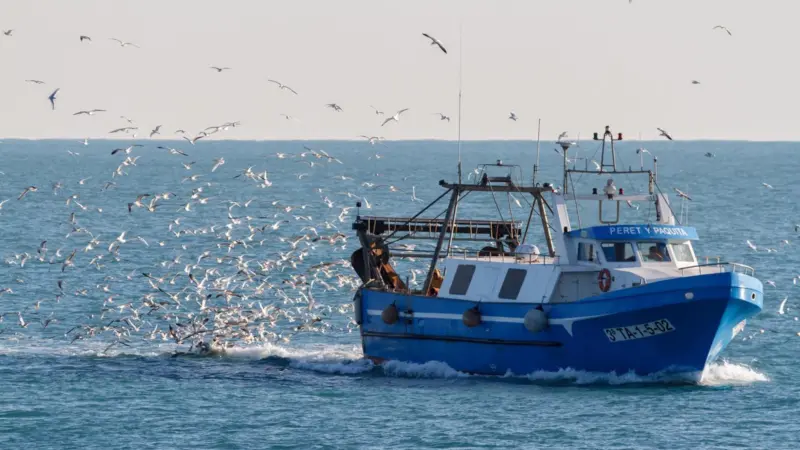
Kiss trawlers are small vessels commonly under 10 metres in length operating in shallow waters. They use small mesh nets with bycatch levels of up to 95%, much of which is discarded.
The report points out that despite being illegal under Tunisian law, kiss trawling is practised openly with little effort to hide operations. It adds that the practice has multiplied over the past decade, with the number of trawlers increasing by over one-third between 2018-2022.
EJF investigators documented kiss trawling at around one nautical mile from the shore, in apparent contravention of regional management measures aimed at conserving vulnerable sharks and rays implemented by the General Fisheries Commission for the Mediterranean (GFCM).
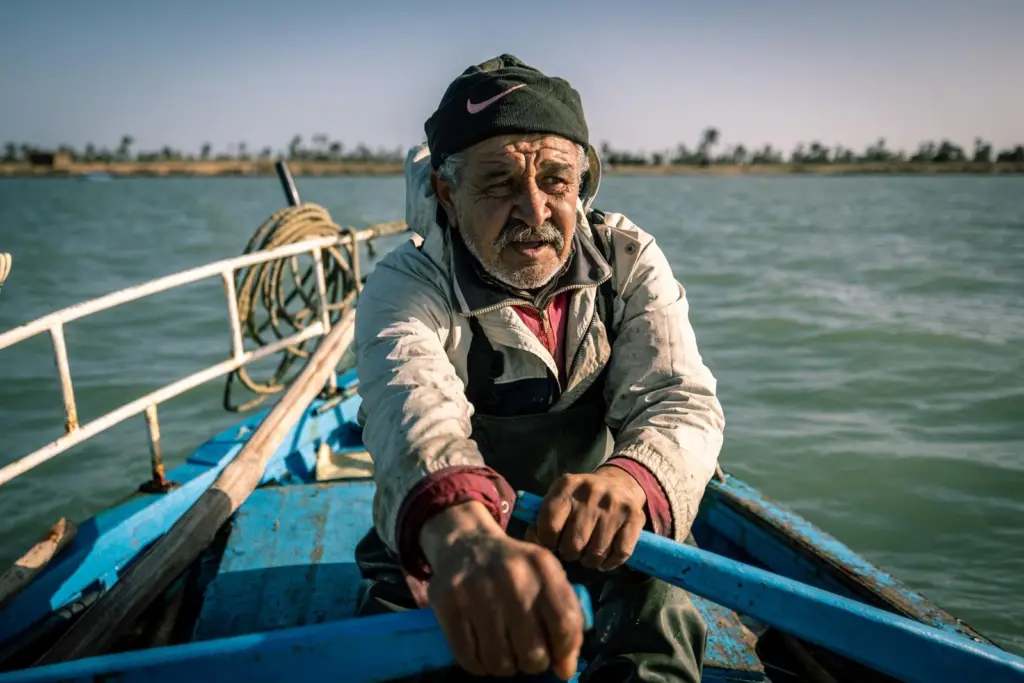
Artisanal fishers report that they cannot compete with kiss trawlers. Charfia fishing, a traditional method unique to the Kerkennah Islands which was included in the UNESCO Representative List of Intangible Cultural Heritage of Humanity in 2020, is a low-impact form of fishing which has been passed from generation to generation.
Charfia and other small-scale fishers say their traditional practices may disappear in the face of kiss trawling, that trawlers damage their gear, and that fish populations are declining sharply in the face of this illegal fishing. Seeing no other option, some have been forced to transition to kiss trawling themselves.
The investigations also found that EU member states may be importing seafood caught illegally by kiss trawlers, in contravention of EU legislation which aims to end illegal, unreported and unregulated (IUU) fishing. Fish caught by kiss trawlers is suspected of being laundered into legal supply chains, primarily to Italy and Spain.
As the most important market for seafood from Tunisia, the EU has a responsibility to ensure the food on their shelves is legal and sustainable, the NGOs said. The report also recommends action by Tunisia’s government and the GFCM to bring an end to kiss trawling fairly and sustainably.
“Unique seagrass meadows and the ocean wildlife they house are at risk, in large part because of illegal kiss trawling. To survive, people are left with no choice but to join the practice. It’s time to end this vicious cycle. This investigation shows that the Tunisian government, the EU institutions and the GFCM can break it. We demand they defend this treasure trove of biodiversity and the coastal livelihoods it supports.” FishAct Investigations Campaigner Sofian Zerelli said.