






Mackerel spawning habits changing as seas warm
Mackerel species in the Atlantic are adapting their spawning habits in response to warming seas, according to a new study analysing data from 1992 onwards.
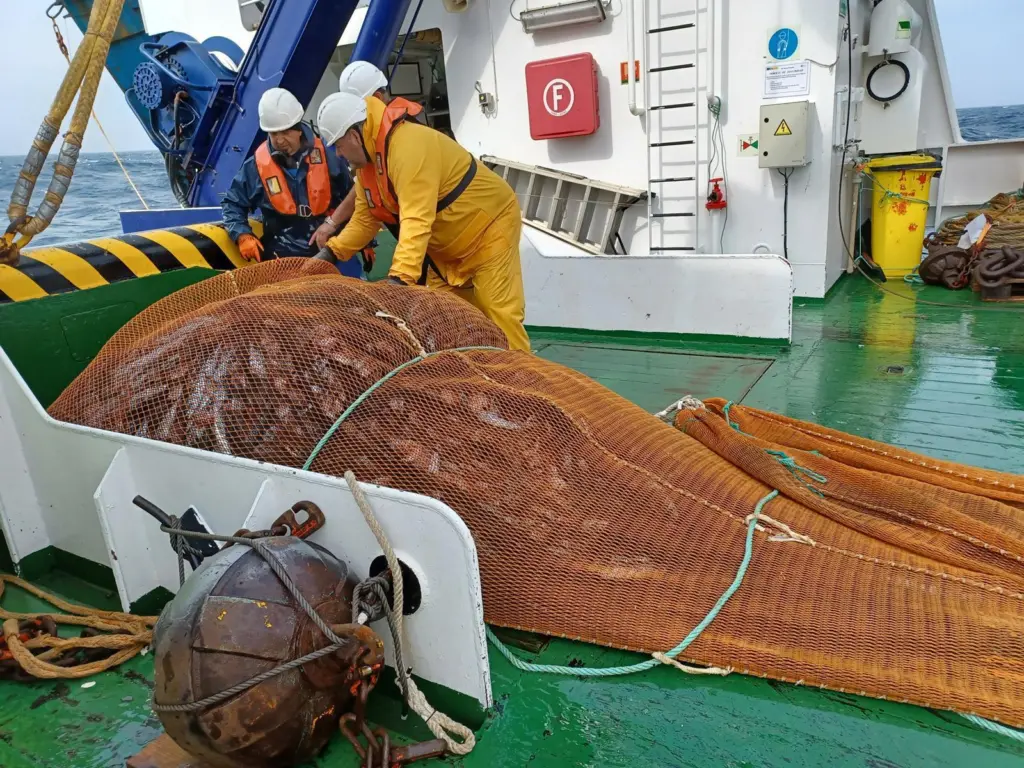
The research by AZTI could help inform fishery management strategies and improve future habitat projections.
Scientists have been studying how horse mackerel and Atlantic mackerel change their seasonal rhythms and migration habits. The study, published in Ecological Indicators, found that for every degree of warming in the sea, the Atlantic mackerel spawns 370 km further north, while the horse mackerel breeds around 12 days earlier.
“This new knowledge is useful to adapt fishery management strategies and improve future habitat projections in a context where it is essential to study the potential impact of climate change on the marine ecosystem,” said Leire Ibaibarriaga, co-author of the study.
As the migratory changes are small, say the researchers, fishing for these species in the Bay of Biscay is currently unaffected, though things may change in the future as oceans warm further.
“Determining the effect of climate change on our oceans is essential to improve conservation of marine resources and manage fisheries and planning of the marine environment sustainably,” concluded Ibaibarriaga.
The work was organised by AZTI with European funding under the FutureMARES project, funded by the European Union H2020 programme, and the LIFE IP Urban Klima 2050 programme, the biggest climate action scheme in the Basque Country, coordinated by IHOBE.
Related Articles
 FISHERIES
 PROCESSING & REFRIGERATION
 FISHERIES