



IOTC ‘misses chance’ to protect yellowfin tuna
The 27th session of the Indian Ocean Tuna Commission (IOTC) has concluded without measures in place to safeguard stocks of the region’s yellowfin tuna.
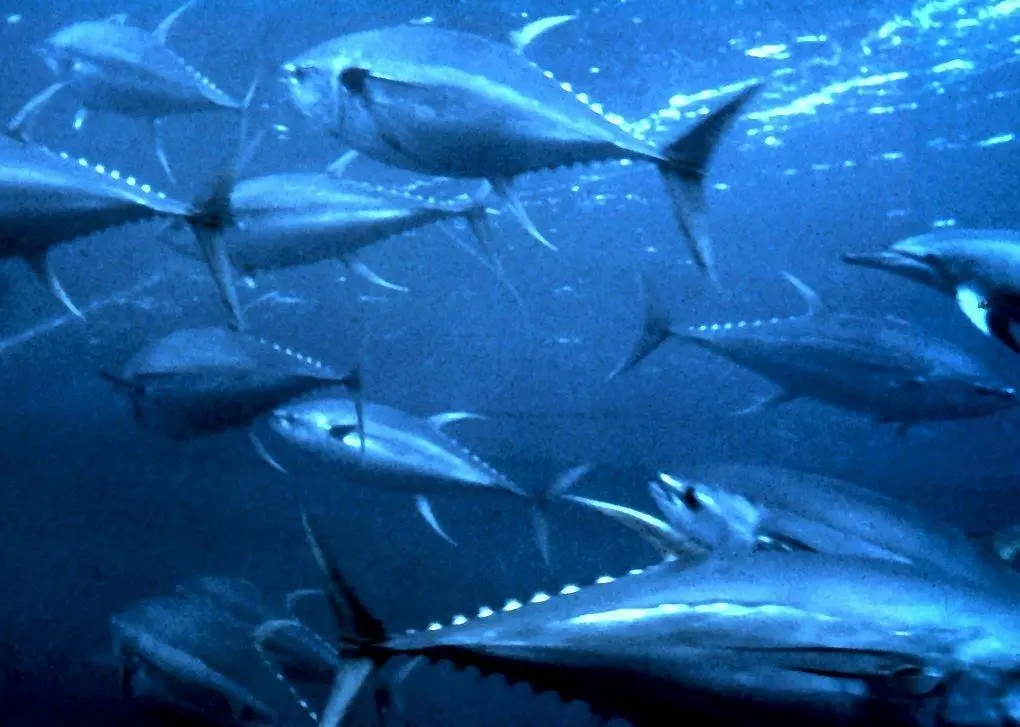
The International Pole and Line Foundation (IPNLF), ocean charity Blue Marine Foundation and the International Seafood Sustainability Foundation (ISSF) have expressed concerns that an opportunity to protect stocks and better manage fish aggregating devices (FAD) has been missed.
Yellowfin tuna has been overfished since 2015 with the ISSF estimating that a reduction of 22% from 2020 levels is needed to rebuild stocks, a figure that the INPLF puts higher still at 30%. “We are dismayed that IOTC once again did not adopt critically needed improvements to measures for yellowfin tuna which is overfished and subject to overfishing,” said the ISSF.
“IOTC can not continue this stasis. It must develop effective and science-based management measures for these Indian Ocean tuna stocks,” it added.
Drifting FADs
The use of drifting FADs has come under fire from IPNLF and Blue Marine Foundation who argue that the devices damage tuna stocks and entangle other marine species. IPNLF has hit out in particular at the EU which it says has ‘scuppered any chance of improved management’. Blue Marine is also challenging the EU’s position, submitting evidence in support of legal action launched by French NGO, BLOOM, against the EC for its alleged objection to an IOTC resolution on the management of drifting FADs.
Martin Purves, managing director of IPNLF, said: “Claims of commercial confidentiality cannot continue to override the national jurisdiction of coastal states and their justified concerns about the damage caused by dFADs to tuna stocks, as well as their ghost fishing and polluting impacts on dependent marine ecosystems.
“There is, for instance, very little evidence that non-entangling materials are being used in the construction of dFADs, despite this having been a requirement for more than three years to reduce the entanglement of sharks, marine turtles or any other species.”
Related Articles
 FISHERIES
 FISHERIES
 SEAFOOD