




Icelandic catch becomes more valuable
The total volume of fish and shellfish landed by the Icelandic fishing fleet in 2023 fell by 3% or almost 40,000 tonnes compared to the previous year to 1,374,825 tonnes, but the value of these catches increased 1% to more than ISK 197.3 billion, the latest figures from Statistics Iceland confirm.
With a volume of 402,342 tonnes, 2023’s demersal catch value amounted to ISK 125.9 billion – both down 7% year-on-year. Within the category, cod was the most important species in volume and value terms, with 220,281 tonnes of the fish caught with an overall value of ISK 80.7 billion – down 10% and 5% respectively.
Haddock totalled 69,387 tonnes (+22%) and ISK 18.6 billion (-10%), saithe – 42,178 tonnes (-32%) and ISK 10.7 billion (-26%) and redfish – 39,122 tonnes (-1%) and ISK 10.6 billion (+9%).
The volume of pelagic fish caught by the fleet fell 1% to 946,053 tonnes but the value increased 22% to ISK 58.1 billion. In this category, there were volume and value increases for herring, blue whiting and mackerel. The herring catch was up 1% to 186,320 tonnes and 26% to ISK 15.4 billion, blue whiting totalled 292,858 tonnes (+53%) and ISK 11 billion (+64%), while last year’s mackerel amounted to 141,125 tonnes (+9%) and ISK 12.9 billion (+39%).
Capelin landings were down 28% in volume and 4% in value at 325,749 tonnes and ISK 18.8 billion.
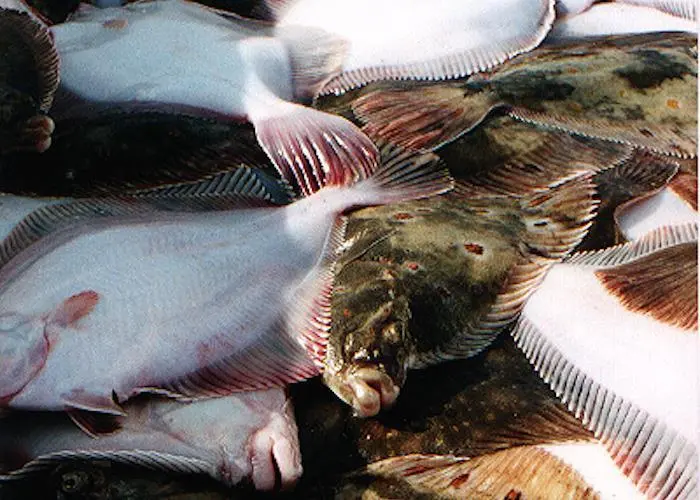
Meanwhile, the fleet’s flatfish catch increased 8% in volume and 16% in value to 20,617 tonnes and ISK 12.2 billion, and its shellfish volume fell 5% year-on-year to 5,765 tonnes but held on to its value of ISK 1.2 billion.
Related Articles
 FISHERIES
 FISHERIES
 FISHERIES