




Commission looks to pull Baltic fisheries out of ‘dire’ straits
The European Commission is seeking to pull Baltic Sea fisheries out of their ’dire situation’ with the announcement of its first TACS and quotas for 2024.
It has proposed total allowable catches (TACs) and quotas for three out of the ten stocks managed in the Baltic Sea. The remaining quota proposals will be established at a later stage.
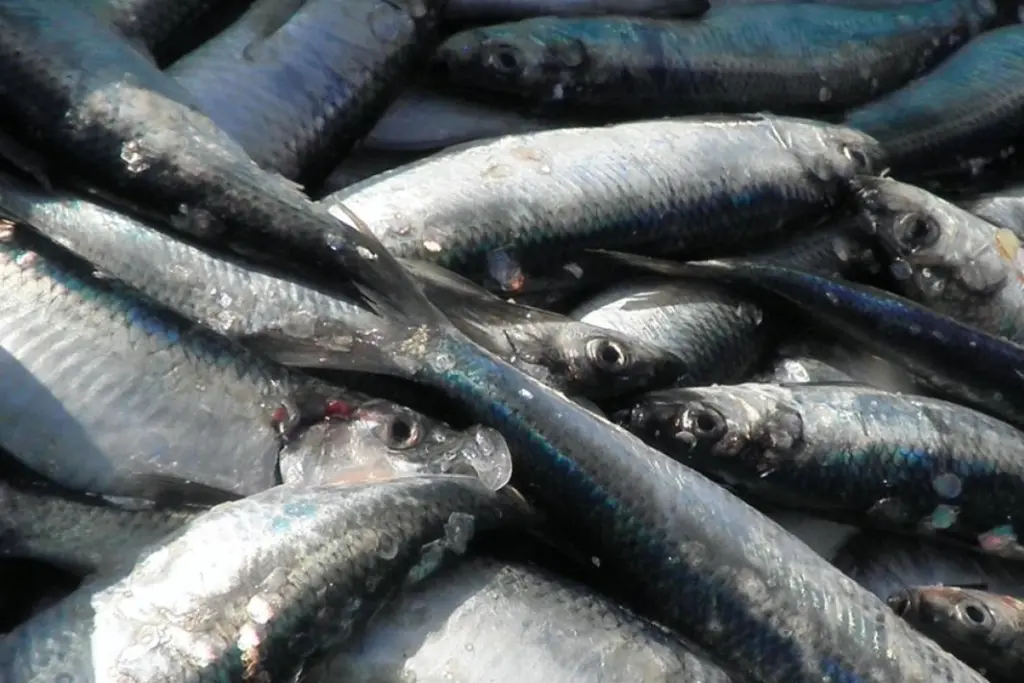
The Commission proposes to increase fishing opportunities for salmon in the Gulf of Finland by 7%, while proposing to decrease fishing of salmon in the main basin by 15%, and to decrease herring catches in the Gulf of Riga by 20%.
Troubled waters
The proposed TACs are based on the best available scientific advice from ICES and follow the Baltic multiannual management plan adopted in 2016 by the European Parliament and the Council.
Scientists estimate that the size of the central Baltic herring stock has been around or below minimum levels since the early 1990s. The stock size of Bothnian herring fell below healthy levels due to the lower number of young fish and the smaller size of older fish.
The Commission therefore proposes to close the targeted fisheries for both stocks and to maintain the closure for the targeted fisheries on cod stocks, western herring and salmon in most of the main basin.
With regards to the other stocks in the Baltic (western cod, eastern cod, western herring, Bothnian herring, central herring, sprat and plaice), the Commission has requested additional information from the International Council on the Exploration of the Seas (ICES).
This is to take better account of the fact that cod is caught together with flatfish, and herring together with sprat.
The Commission said it will propose setting by-catch TACs for western cod, eastern cod, western herring, Bothnian herring and central herring on the basis of additional information expected in autumn. This proposal will allow vessels to land the unavoidable catches of each of these weak stocks when fishing for example for plaice or sprat.
Related Articles
 FISHERIES
 FISHERIES
 SEAFOOD