


Loch Duart is to continue working with the West Sutherland Fisheries Trust (WSFT) as an independent monitor and auditor of its fish health data for another three years.
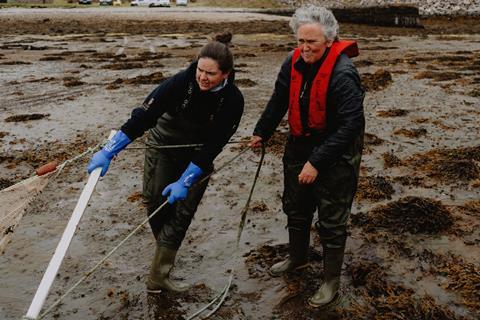
Working with the the salmon farm based in the North West of Scotland, WFST said it can continue its vital work in the conservation of wild fisheries.
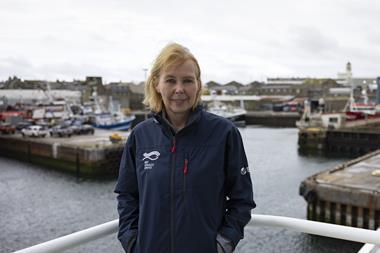
”WSFT audits the health checks, making sure that what we report is what’s actually here. This is a unique partnership and one that both Loch Duart and the West Sutherland Fisheries Trust are proud of. We encourage others in the sector to look at what we’ve been doing and consider similar partnerships,” said Beth Osborne, fish health manager, Loch Duart.
“It’s important that Loch Duart works with the Trust because it gives us transparency of our data as a whole, both from the wild stocks as well as the fish farm. It helps the local environment, the local people and all of the local stakeholders. If everything’s healthy in the area and we’ve shared as much information as possible, then everybody benefits.”
Working relationship
Loch Duart’s working relationship with WSFT goes back to 1999, the year the salmon farm was founded.
The verification partnership, which began in 2021, grants WSFT unprecedented access to Loch Duart’s sites; this ensures continued transparency in fish health data reporting and upholds the company’s commitment to doing things the “Loch Duart way.”
An independent charity established in 1996 and based in North West Scotland, WSFT monitors wild fish populations and advises on the management of rivers and lochs in the area.
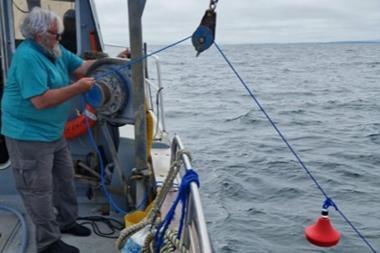
WSFT biologists visit four different Loch Duart farm sites each month to independently audit weekly fish health checks, including sea lice counts and environmental and biological conditions.
These audits provide Loch Duart with an unparalleled level of transparency in fish health data reporting while also encouraging positive dialogue between the salmon farm and the fisheries trust.
Loch Duart supports WSFT with net sweeps and training in sea lice and gill health identification for wild fish. They also work together to form an environmental management plan, supporting the local area.