


Innovating krill alternatives in aquaculture feed
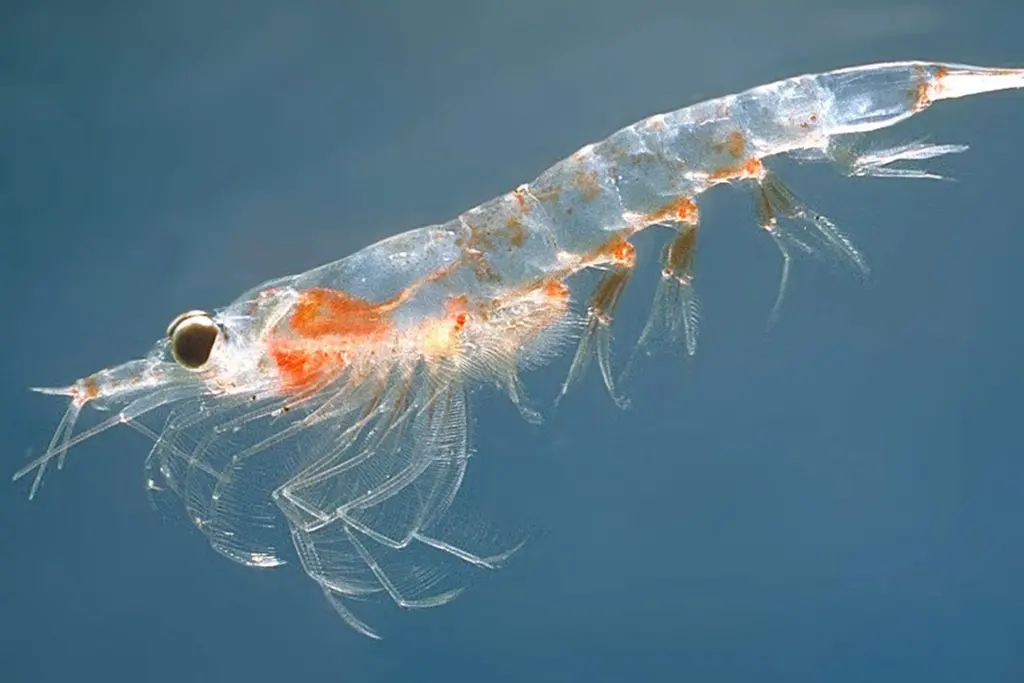
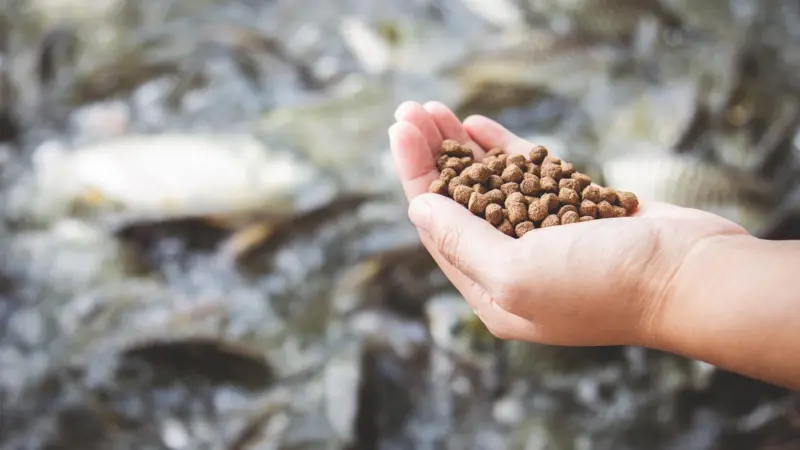
An international competition is taking place which aims to spark innovation in creating alternatives to using wild caught krill in aquaculture feed.
The F3 – Future of Fish Feed has selected ten companies to compete in the fourth F3 Krill Replacement Challenge where products will compete in a head-to-head competition in a 12-week feed trial on Atlantic salmon.
“It wasn’t an easy decision to select these finalists out of the 40 great krill replacement products we received,” said F3 Judge Kevin Fitzsimmons, a professor of environmental science at the University of Arizona.
“Ultimately, we are happy with the diversity of products and companies that are moving to the next phase of the competition.”
Driving innovation
The F3 Krill Replacement Challenge finalists and their products include US based APC LLC with its spray-dried plasma feed and Brazil-based BRF Ingredients with its chicken hydrolysate alternative.
Other finalists are China-based Calysseo (single-cell protein), Finland-based eniferBio (fungus), Singapore-based Entobel (black soldier fly), Netherlands-based Orffa Additives (amino-acid extract), France-based Phileo by Lesaffre (yeast extract), Netherlands-based Protix (black soldier fly), India-based Shaivaa Algaetech (algae) and Germany-based Symrise (protein hydrolysate).
At the end of the competition, the company with the krill replacement product that results in the best growth, feed consumption and survival after three months will be awarded a $100,000 USD grand prize.
The F3 Krill Replacement Challenge was motivated by feed companies, particularly from China, who suggested finding alternative attractants and palatants would greatly assist in the transition to “fish-free” feed.
It was also founded on the premise that there are not enough fish in the ocean to feed our growing world population and that new aquaculture feed ingredients are necessary to ensure a food secure future. The first three contests focused on eliminating wild-caught fish in feed.
Scientific research has shown sharp declines in krill populations by as much as 80%, which is the result of regional overfishing and climate-induced changes in ocean temperature, currents and acidification.
Related Articles
 AQUACULTURE
 FISHERIES
 AQUACULTURE