



DTU Aqua to host AQUABEST meeting
DTU Aqua in Hirtshals is hosting an international AQUABEST meeting on sustainable fish farming in the Baltic Sea region.
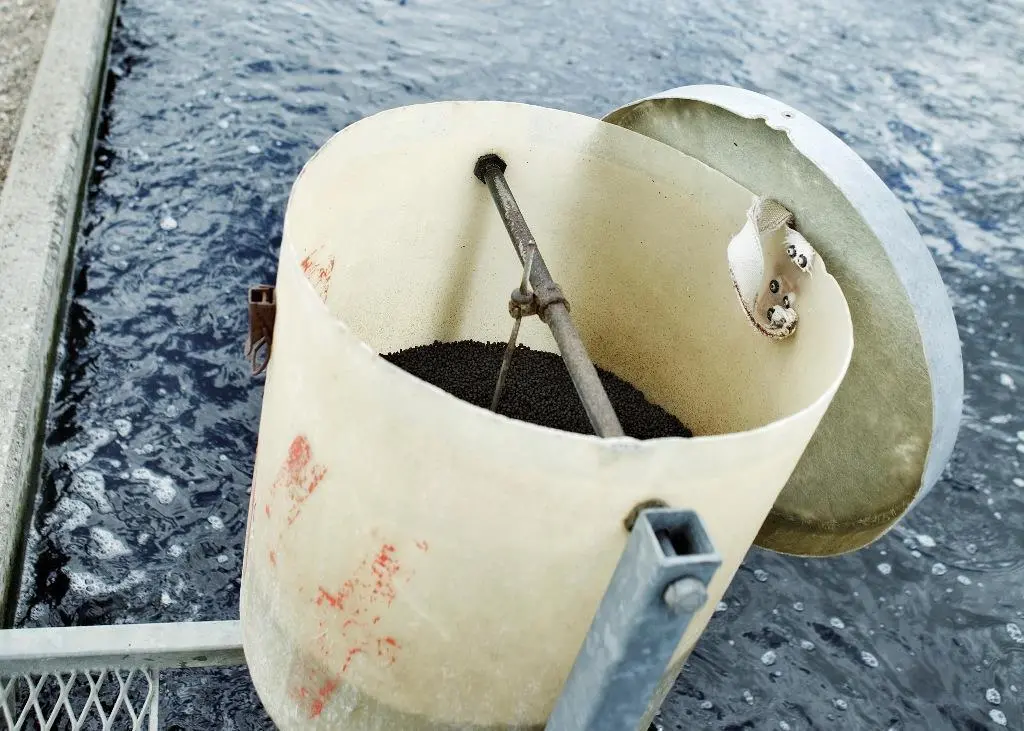
The project aims to transfer the technology of the Danish high-tech and environmentally friendly Model Trout Farms to sustainable saltwater farming.
Aquaculture has been the fastest growing food production sector globally during the last two decades, but the opposite has occurred in the eastern Baltic Sea region – aquaculture production has stagnated. A new Interreg/EU-project involving partners from eight countries hopes to change that, with a strong focus on sustainable practices and technologies.
The EU funded AQUABEST-project involves 14 partners from eight countries and unites a broad range of representatives from national and regional authorities, researchers, producer organisations, feed industry as well as national and international organisations.
The first project meeting is to take place at DTU Aqua in Hirtshals, Denmark from the 18-20 April 2012).
As part of the meeting the participants will get the opportunity to visit and learn from the cutting-edge farming technologies of the high-tech and environmentally friendly Model Trout Farms that have been developed in Denmark in collaboration between DTU Aqua and the Danish industry.
Related Articles
 FISHERIES
 FISHERIES
 WORLD FISHING EVENTS