






Climate change study warning
The world’s oceans may soon be transformed from biodiverse environments to simple ecosystems that can no longer support basic human needs, says a powerful new climate change study.
In the study, the analysis combines data from 632 global experiments measuring ecological change resulting from ocean acidification and warming due to increasing atmospheric carbon dioxide.
“This study is the most comprehensive forecast we have so far of the impact of climate change and ocean acidification on our global marine communities and species,” said Ivan Nagelkerken, lead author of the study and associate professor at the University of Adelaide’s Environment Institute in South Australia.
“Our analysis projects decreases in species abundance across many types of organisms.”
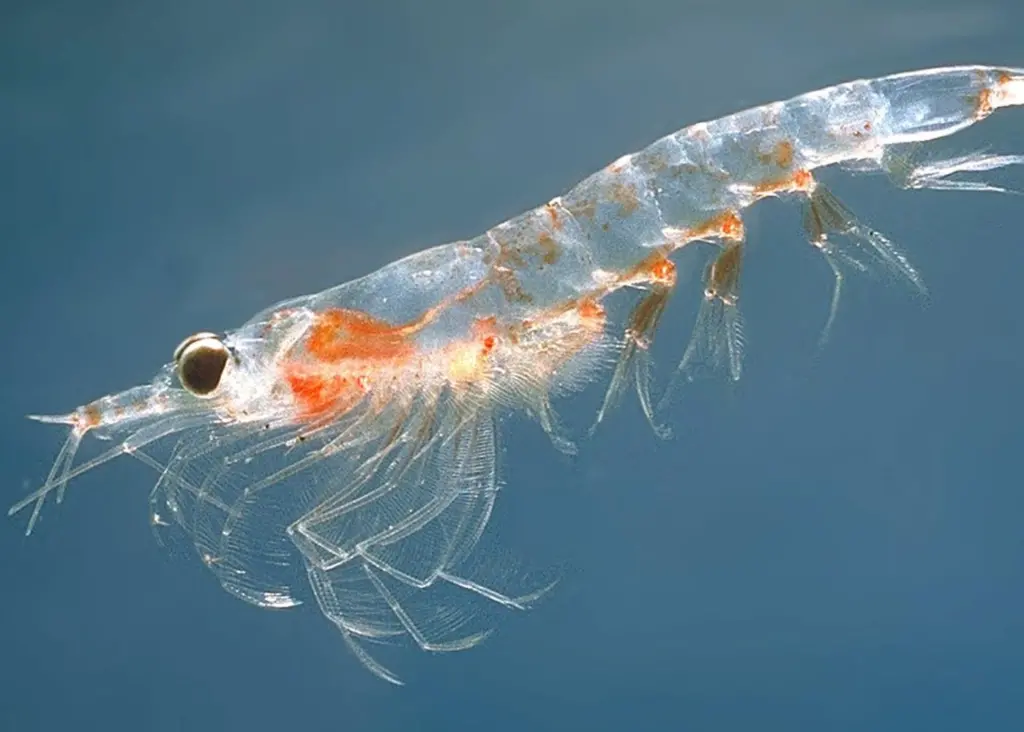
In particular he said, numbers of zooplankton and smaller fishes are predicted to drop away in response to rising ocean acidification, with follow-on effects for larger carnivorous fish.
Humans will also feel the impact through dramatic reductions in the availability of key predator species. Coral and oyster reefs are also expected to be hit hard by rising water temperature and acidity. Changes which are already being observed.
Professor Nagelkerken suggests action needs to be taken immediately on climate change to slow down the effects.
“Anything we can do to reduce the burden of stressors applied to our oceans will have a positive impact,” said Professor Nagelkerken. Stressors include overfishing and pollution.
Global alteration of ocean ecosystem functioning due to increasing human CO2 emissions was published in the journal Proceedings of the National Academy of Sciences (PNAS).
Related Articles
 FISHERIES
 FISHERIES
 WORLD FISHING EVENTS