


Scottish salmon farming inquiry launched
Holyrood’s Rural Affairs & Islands (RAI) Committee has launched a follow-up inquiry to ask if recommendations made to the Scottish Government in 2018, to address economic, social and environmental issues related to the salmon farming industry in Scotland, have been implemented.
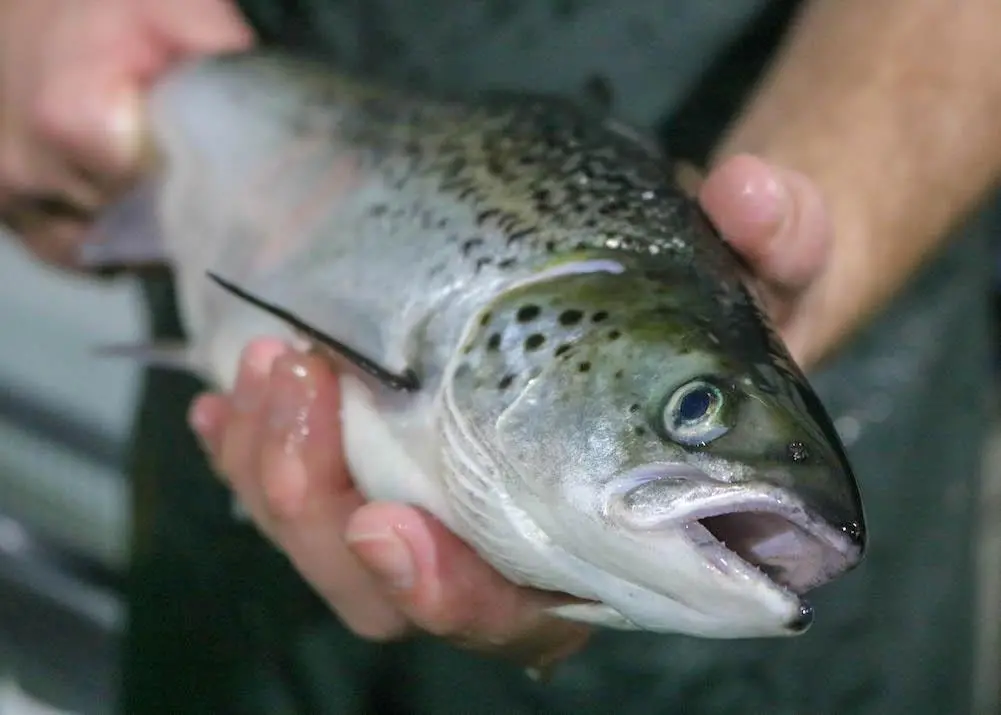
In November 2018, the then Rural Economy & Connectivity Committee (RECC) said that urgent action needed to be taken to improve the regulation of the Scottish salmon farming industry and to address fish health and environmental challenges.
At the time, the Committee set out 65 recommendations about how challenges, such as the control of sea lice, rising fish mortalities and the need to reduce the sector’s impact on the environment, should be addressed. The Committee also said that the current standards of regulation of the sector was ‘not acceptable’.
Commenting, Rural Affairs & Islands Committee Convener Finlay Carson MSP said: “The RECC recommendations of 2018 aimed to put in place measures that would maintain the reputation of Scottish salmon as an internationally recognised premium product, and so preserving the significant economic and social value this industry brings to Scotland.
“Picking up the baton from our predecessors, we will find out what progress has been made in developing the industry since 2018 and how the various fish health, environmental and climate change challenges it faces are being addressed.”
Over the course of nine evidence sessions, the RAI Committee will revisit the recommendations hearing from aquaculture stakeholders, salmon farming representatives, non-governmental organisations and regulators.
In September, the Committee will meet with local community groups to learn more about the impact salmon farming is having on local communities. Members will also visit the Scottish Association for Marine Science and salmon farms to increase their understanding of how the sector is developing.
Commenting on the inquiry, Salmon Scotland Chief Executive Tavish Scott said: “As one of the biggest employers in rural Scotland, generating nearly GBP 800 million for the economy and raising the UK’s largest food export, it’s absolutely right for the committee to continue its ongoing work programme to look at our nation’s vital salmon sector.
“We look forward to supporting the committee’s work and highlighting the innovation and investment in making our low carbon sector even more sustainable.”
Scott continued: “We are particularly excited about taking committee members to a salmon farm – for many of them for the first time – so they can see for themselves the reality of salmon farming in 2024, and most importantly, listen to the hard-working farmers who take care of their fish and deliver the highest animal welfare standards anywhere in the world.”
Scottish farmed salmon was the UK’s top food export by value in 2023. Figures from the HMRC show that export sales for the calendar year totalled GBP 581 million. In 2022, 169,194 tonnes of Atlantic salmon were produced in Scotland – a decrease of 36,199 tonnes on the 2021 total of 205,393 tonnes, which was the highest level of production ever recorded in Scotland.
In 2023, data published by the Fish Health Inspectorate (FHI) recorded 17.4 million fish mortalities on Scottish Salmon farms which exceeded the 17.2 million of 2022’s record-breaking year.
Related Articles
 AQUACULTURE
 SEAFOOD
 SEAFOOD